


5-10 days
Payments
Descripción
Descripción
Fiberon™ PETG-ESD: PETG ESD seguro para electrónica (anteriormente PolyMax™ PETG-ESD)
Protección contra descargas electrostáticas (ESD)
Fiberon™ PETG-ESD está diseñado específicamente para proporcionar una protección fiable contra descargas electrostáticas (ESD), lo que lo convierte en una excelente opción para imprimir en 3D piezas utilizadas en la fabricación, el ensamblaje y la manipulación de componentes electrónicos. Esta propiedad ayuda a proteger los componentes electrónicos sensibles de los daños causados por la electricidad estática durante la producción y el uso.
Mayor resistencia
Además de la protección ESD, Fiberon™ PETG-ESD ofrece una mayor resistencia que el PETG estándar, proporcionando una mejor resistencia a los impactos y mayor durabilidad para aplicaciones industriales exigentes.
Formulación avanzada con nanotubos de carbono
Este filamento está formulado con nanotubos de carbono, responsables de sus propiedades de seguridad ESD. El uso de nanotubos de carbono garantiza una conductividad uniforme en toda la pieza impresa, manteniendo la protección ESD incluso después del mecanizado o el desgaste.
Aplicaciones ideales
- Carcasas y envolventes para componentes electrónicos
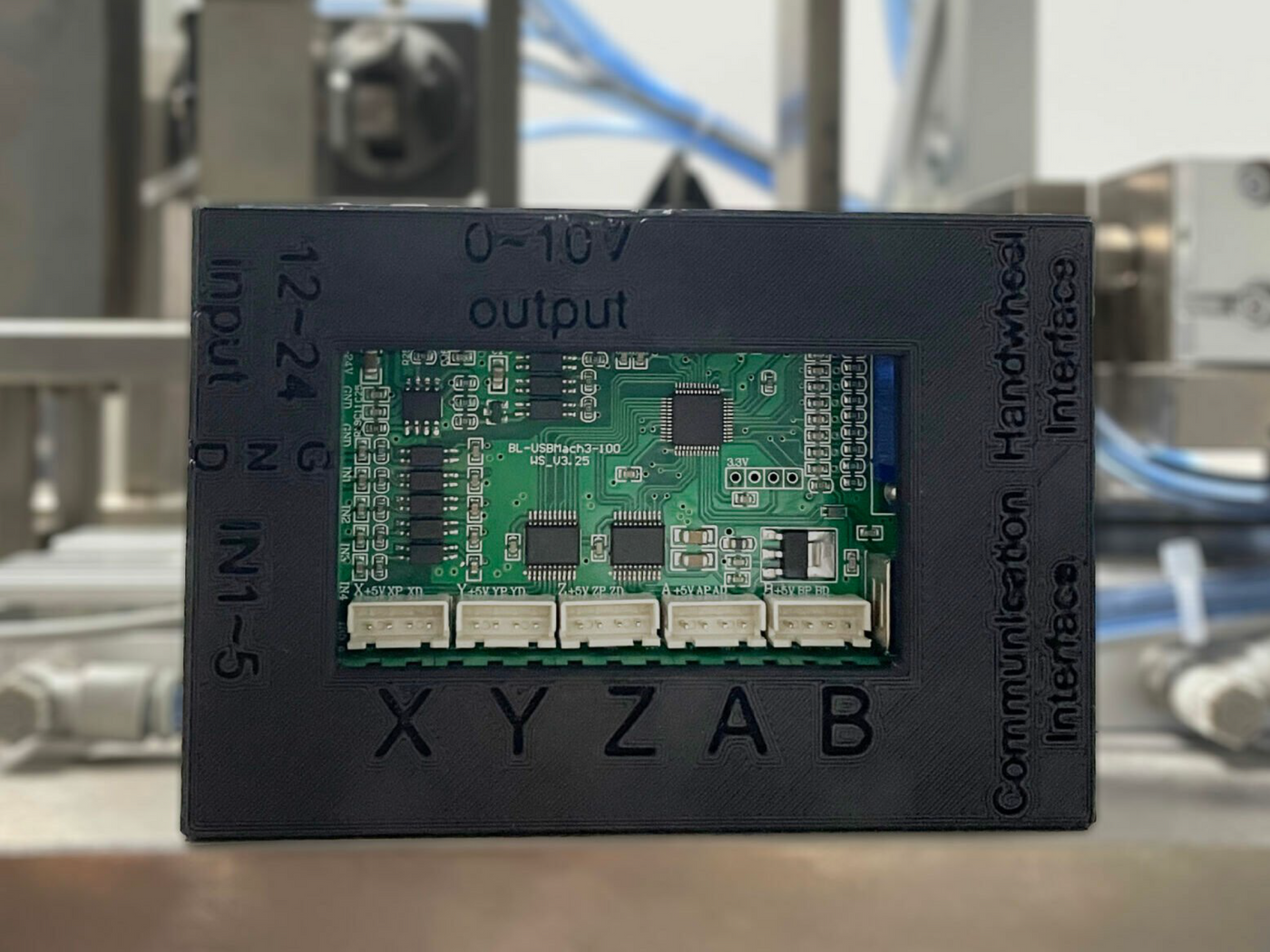
- Plantillas y dispositivos para el ensamblaje de PCB
- Bandejas y sistemas de almacenamiento para componentes electrónicos
- Herramientas y piezas utilizadas en entornos sensibles a ESD
Elige Fiberon™ PETG-ESD para tus proyectos de electrónica cuando necesites un material de impresión 3D resistente, fiable y seguro frente a ESD.
NOTA: ™ PETG-ESD está formulado con nanotubos de carbono:
Aquí se encuentra una investigación sobre ABS formulado con nanotubos de carbono.
Requisitos de impresión
Ajustes de impresión
Ajustes de impresión
Fiberon™ PETG-ESD
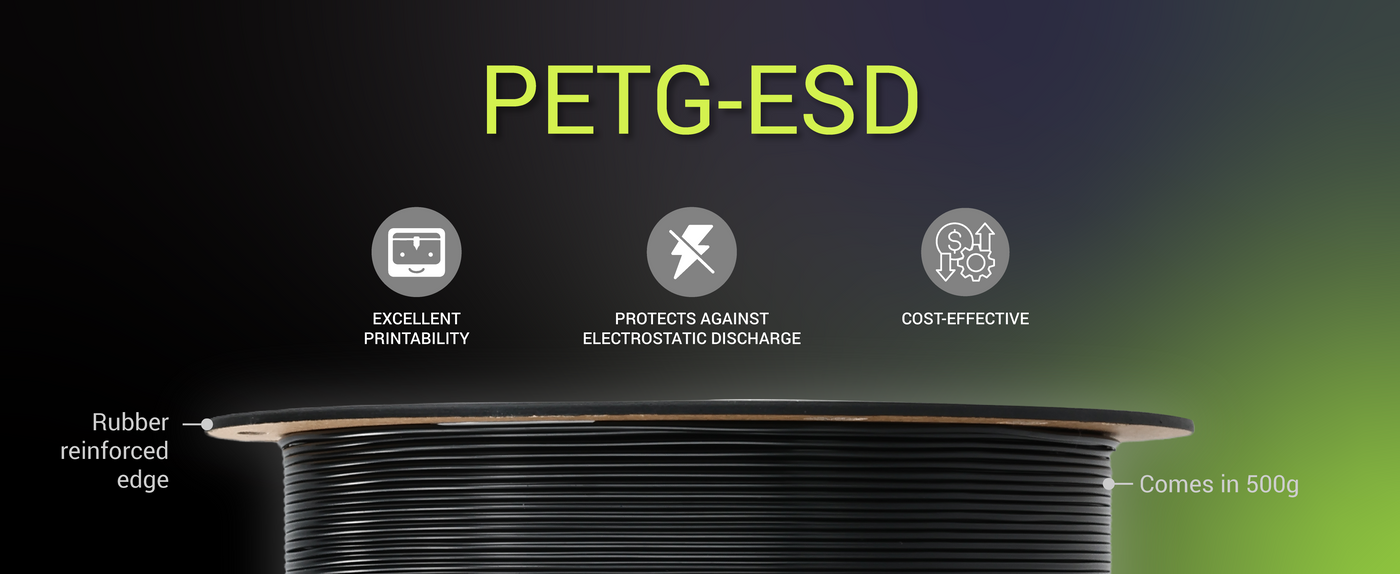
- ESD Protection
- Enhanced Toughness
- Carbon Nanotube Technology
- Ideal for Electronics
- Ready to Print ;
Fiberon™ PETG-ESD - Negro / 0.5kg está en pedido pendiente y se enviará tan pronto como vuelva a estar en stock.

Especificaciones técnicas
Todo lo que necesitas antes de imprimir
- Use a hotend suitable for the 250-290°C nozzle-temperature range; an all-metal hotend is recommended.
- Dry at 65°C for 3 hours if the filament has absorbed moisture, and keep it dry during use.
- Keep the cooling fan OFF ; use a 70-80°C build plate.
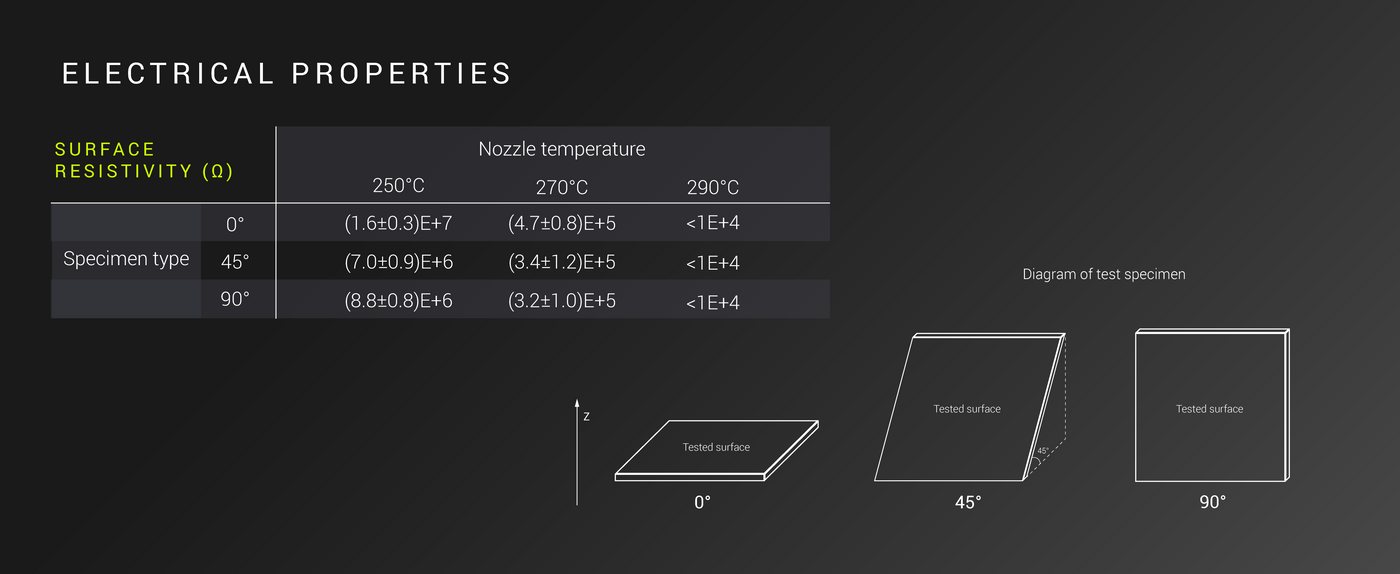
- Nozzle temperature and print orientation strongly affect surface resistivity. Higher nozzle temperatures lower resistivity; validate the finished part for the intended ESD requirement.
- Annealing is not specified for this material.
| Property | X-Y | Z | Value | Method |
|---|---|---|---|---|
| Density | — | — | 1.24 g/cm³ Important | ISO 1183 |
| Tensile strength | 36.1 MPa Important | 20.7 MPa Important | — | ISO 527 |
| Elongation at break | 7.3 % Important | 1.8 % Important | — | ISO 527 |
| Bending strength | 54 MPa Important | 24.1 MPa Important | — | ISO 178 |
| Bending modulus | 1650.8 MPa Important | — | — | ISO 178 |
| Young's modulus | 1983 MPa Important | 1626.4 MPa Important | — | ISO 527 |
| Charpy, unnotched | — | 5.2 KJ/m² Important | — | ISO 179 |
| Charpy, notched | 5.7 KJ/m² Important | — | — | ISO 179 |
| Glass transition temperature (Tg) | — | — | 77 °C Important | ISO 11357 |
| Vicat softening temperature | — | — | 86 °C Important | ISO 306 |
| HDT (0.45 MPa) | — | — | 76 °C Important | ISO 75 |
| HDT (1.8 MPa) | — | — | 72 °C Important | ISO 75 |
Probado en muestras con un 100 % de relleno. X-Y = transversal a las capas, Z = entre las capas (adhesión entre capas).
Preguntas frecuentes
¿Tienes preguntas? Tenemos las respuestas. Desde elegir el material adecuado hasta cuidar tus bobinas, aquí encontrarás todo lo que necesitas saber en un solo lugar.
How long will PETG-ESD remain ESD safe?
Do you have any further data?
Will the spools work in an AMS?
What is the difference between PET and PETG?
Customers praised this ESD-safe filament for printing jigs and tools in electronics manufacturing, noting it "prints well and consistently" while being "more affordable than pretty much any other name brand." Quality and speed performance were highlighted, though some reported occasional plate adhesion issues and residue.
I use this filament to print ESD-safe jigs and tools for the electronics manufacturing company I work for. It prints well and consistently while being more affordable than pretty much any other name brand ESD filament on the market. Now I'm just waiting for Polymaker to do a PLA-ESD.
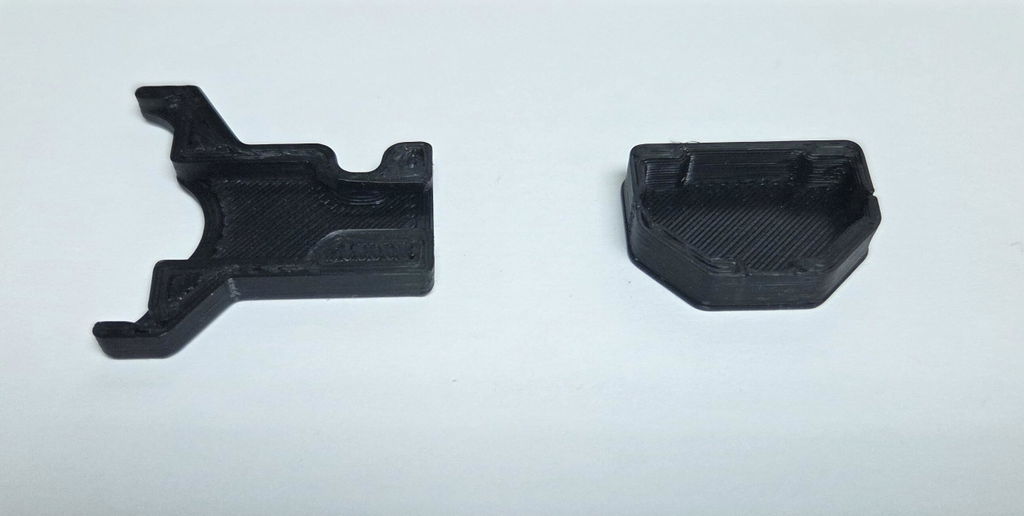
The filament prints great, but it does have an issue with sticking to the plate sometimes and leaving residue on the plate.
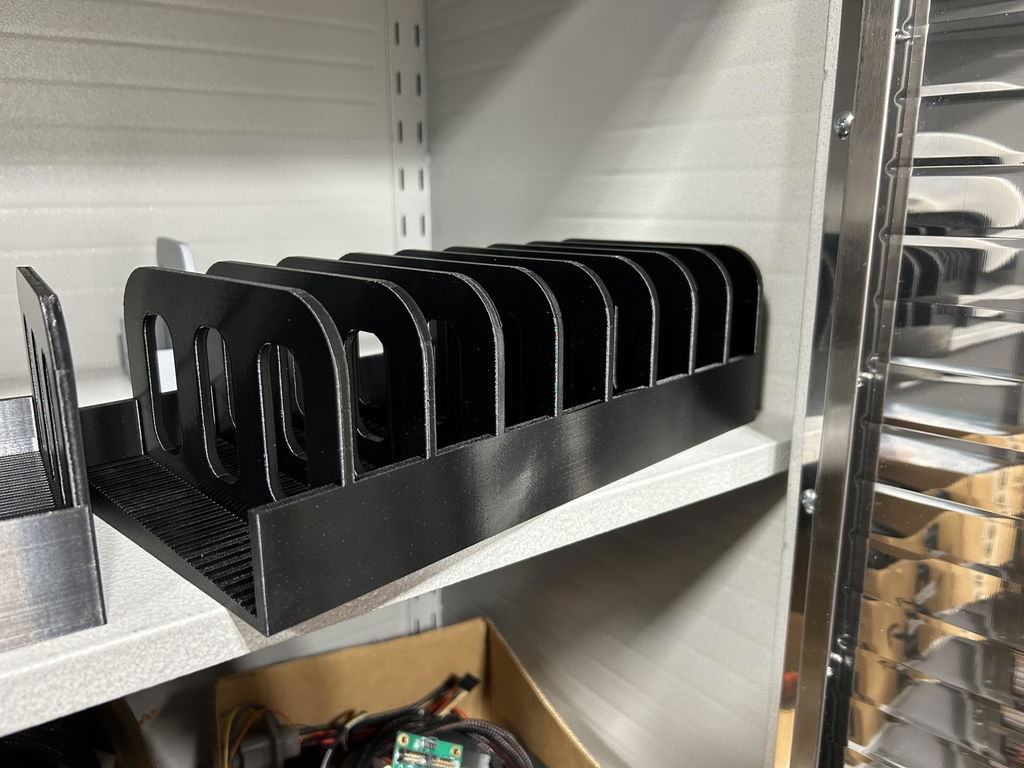
PETG-ESD filament is great! Very useful for printing ESD safe jigs for assembly. Print quality is good on Bambu printers.
Many people confuse ESD with conductive filament. This has a resistance around 1-100M ohms (10^6-10^8). You cannot test this with a basic multimeter, and even then the resistance changes as your voltage changes. With a proper ESD tester, you can measure its resistance.
Really like it, prints really well and can take speed.
This is by far the best PETG ESD I have used and is very competitively priced!I would really like to see 1kg spool though, 0.5kg spools are really annoying to work with since I'm constantly having to swap to a new spool mid print. And, with the switch to the Fiberon branding, they started taping the end of the filament to the spool core. This is a big PROBLEM as it can get stuck during when the filament runs out cause the filament runout sensor not to trigger. PLEASE revert back to not using tape.Also, I'd really like to see Polymaker submit well tuned filament profiles for all the Prusa machines to Prusa Slicer.
Printed great in my x1c. I through it straight from the package into my dryer for like 12 hours then printed from the dryer. No issues
