


5-10 days
Payments
Description
Description
Fiberon™ PET-CF17 : filament PET renforcé de fibres de carbone haute performance
Conçu pour la résistance et la précision
Fiberon™ PET-CF17 est un filament PET (polyéthylène téréphtalate) renforcé de fibres de carbone, spécialement conçu pour l’impression 3D de niveau ingénierie. Avec une teneur en fibres de carbone de 17 %, il offre un module élevé pour une excellente rigidité et une grande stabilité dimensionnelle, ce qui le rend idéal pour les prototypes fonctionnels et les pièces destinées à l’utilisation finale.
Caractéristiques de performance clés
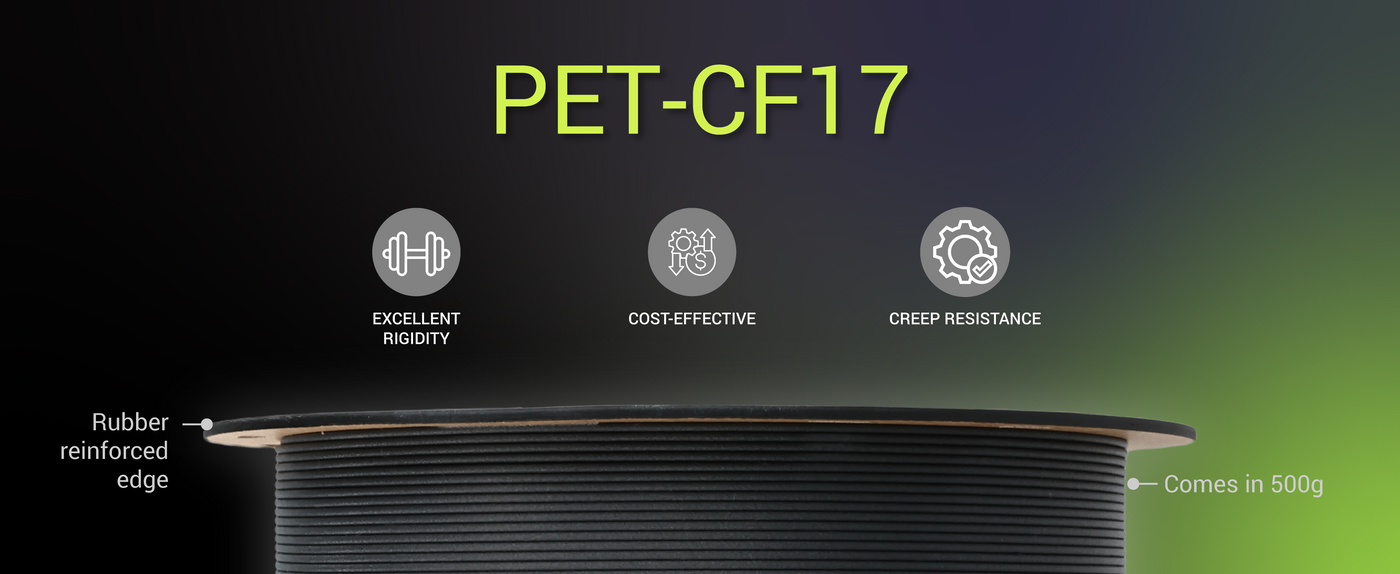
- Module et résistance élevés : Le renforcement en fibres de carbone offre une rigidité et une résistance mécanique exceptionnelles, adaptées aux applications d’ingénierie exigeantes.
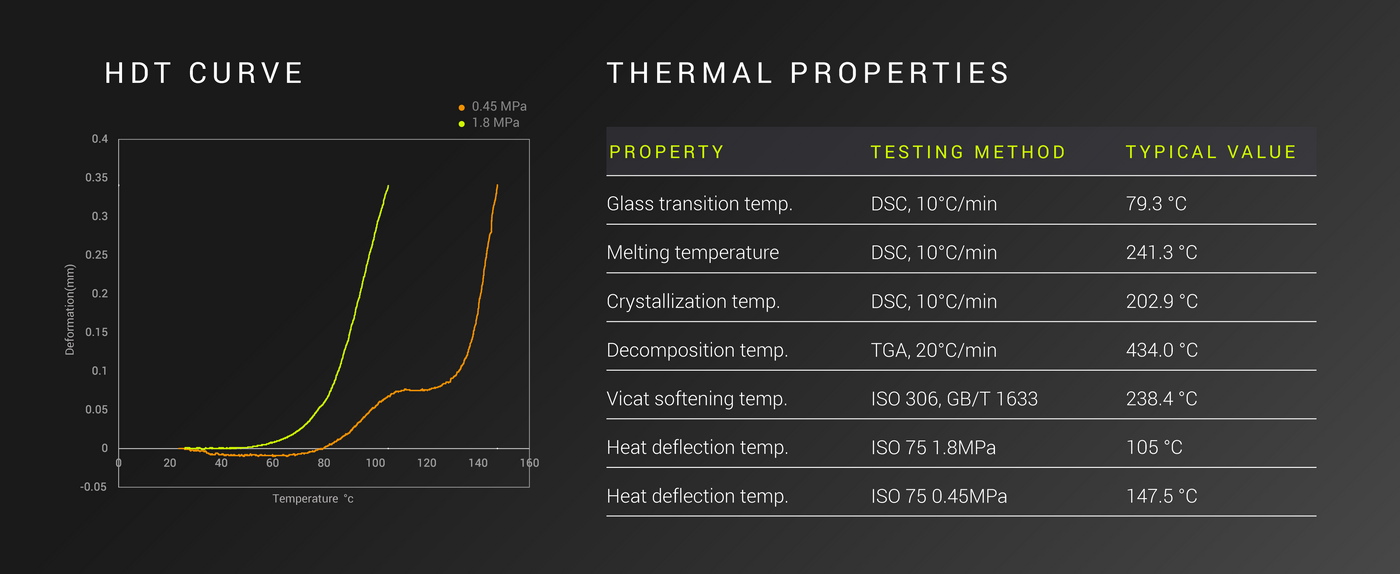
- Résistance à la chaleur : Maintient son intégrité structurelle à des températures élevées, ce qui le rend adapté aux pièces exposées à la chaleur ou nécessitant une stabilité thermique. Un recuit est requis pour une résistance accrue à la chaleur.
- Insensibilité à l’humidité : Contrairement à de nombreux filaments d’ingénierie, Fiberon™ PET-CF17 est moins sensible à l’humidité, ce qui garantit une qualité d’impression constante et réduit le besoin de séchage préalable.
- Facile à imprimer : Offre une extrusion fluide et une adhérence fiable au plateau, ce qui le rend accessible aux utilisateurs d’imprimantes 3D FDM/FFF haute température standard équipées d’une buse renforcée.
Idéal pour les applications d’ingénierie
Parfait pour les pièces automobiles, aéronautiques, robotiques et industrielles nécessitant résistance, durabilité et précision.
Choisissez Fiberon™ PET-CF17 pour vos projets d’ingénierie lorsque vous avez besoin d’un matériau composite combinant haute résistance, résistance à la chaleur, insensibilité à l’humidité et impression fiable et facile.
Exigences d’impression
Paramètres d’impression
Paramètres d’impression
Fiberon™ PET-CF17
- High Strength & Stiffness
- High Heat Resistance
- Ready to Print -
- Easy to Print
Fiberon™ PET-CF17 - Noir / 0.5kg est en rupture de stock et sera expédié dès qu'il sera de nouveau disponible.

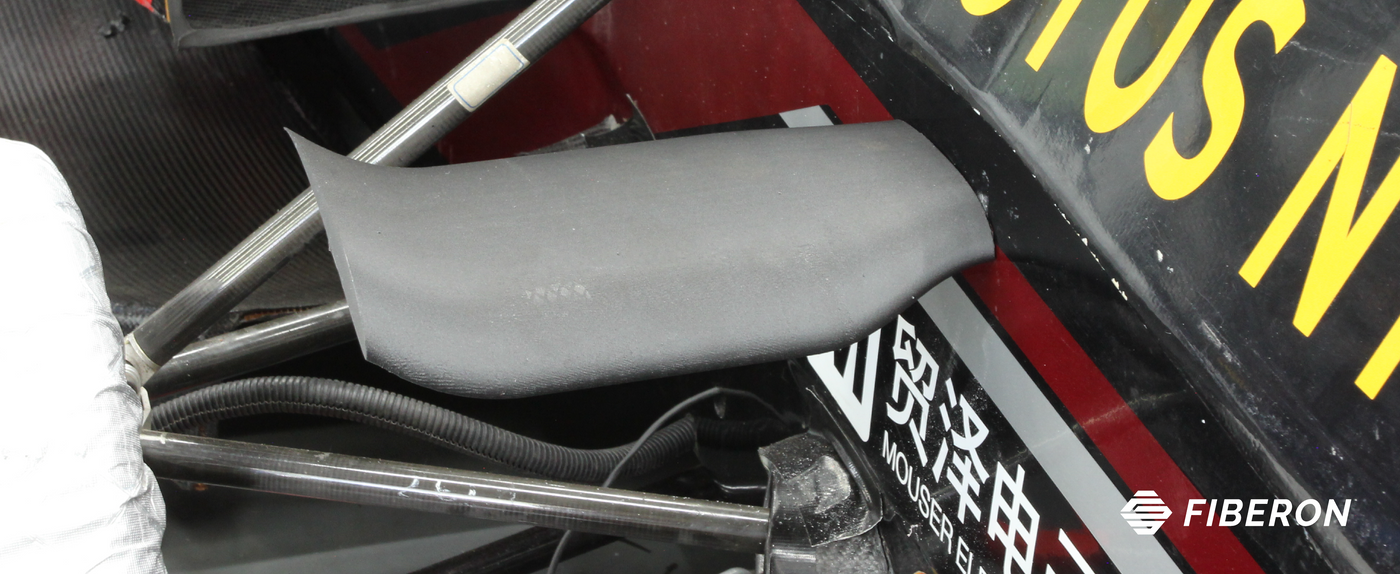
Spécifications techniques
Tout ce dont vous avez besoin avant de lancer l’impression
- Use an all-metal hotend within 270-300°C and a wear-resistant nozzle because the carbon-fiber reinforcement is abrasive.
- Dry at 100°C for 10 hours and keep the filament dry during use.
- An enclosed printer is recommended; keep the chamber door closed during printing.
- For the annealed performance stated in the TDS, anneal at 120°C for 10 hours.
- Before annealing, allow the print to rest for more than 24 hours or place it at 80°C for 2 hours; do not apply load and keep the oven temperature uniform.
- Retain supports for bridges or overhangs and reinforce thin walls when deformation is a concern.
| Property | X-Y | Z | Value | Method |
|---|---|---|---|---|
| Density | — | — | 1.34 g/cm³ Important | ISO 1183 |
| Tensile strength | 65.9 MPa Important | 27.9 MPa Important | — | ISO 527 |
| Elongation at break | 2.4 % Important | 1 % Important | — | ISO 527 |
| Bending strength | 109.3 MPa Important | 43.4 MPa Important | — | ISO 178 |
| Bending modulus | 4744.4 MPa Important | — | — | ISO 178 |
| Young's modulus | 5481 MPa Important | 3558.8 MPa Important | — | ISO 527 |
| Charpy, unnotched | — | 3.1 KJ/m² Important | — | ISO 179 |
| Charpy, notched | 5.1 KJ/m² Important | — | — | ISO 179 |
| Melting temperature | — | — | 241.3 °C Important | ISO 11357 |
| Glass transition temperature (Tg) | — | — | 79.3 °C Important | ISO 11357 |
| Vicat softening temperature | — | — | 238.4 °C Important | ISO 306 |
Testé sur des échantillons avec un taux de remplissage de 100 %. X-Y = transversalement aux couches, Z = entre les couches (adhésion interlaminaire).
Foire aux questions
Vous avez des questions ? Nous avons les réponses. Du choix du matériau adapté à l’entretien de vos bobines, voici tout ce que vous devez savoir au même endroit.
What is annealing?
Do I have to anneal my PET-CF17?
Annealing at 120°C is deforming my part, what should I do?
Will the spools work in an AMS?
What is the difference between PET and PETG?
Do I need a filament dryer?
Can you offer 1KG Fiberon™ Spool Options?
Customers praised this carbon fiber filament as "easy to print" with "exceptional strength" and a "smooth surface finish that hides layer lines." Many called it their favorite for functional parts. Some noted it requires drying and has weak Z-axis layer adhesion. A few mentioned brittleness and low impact resistance, with one reporting extreme bed adhesion issues.
PET-CF is a really great engineering filament, especially considering the price. It’s surprisingly easy to print and gives very consistent results. The mechanical properties and overall quality are excellent, making it a great choice for functional and technical parts.
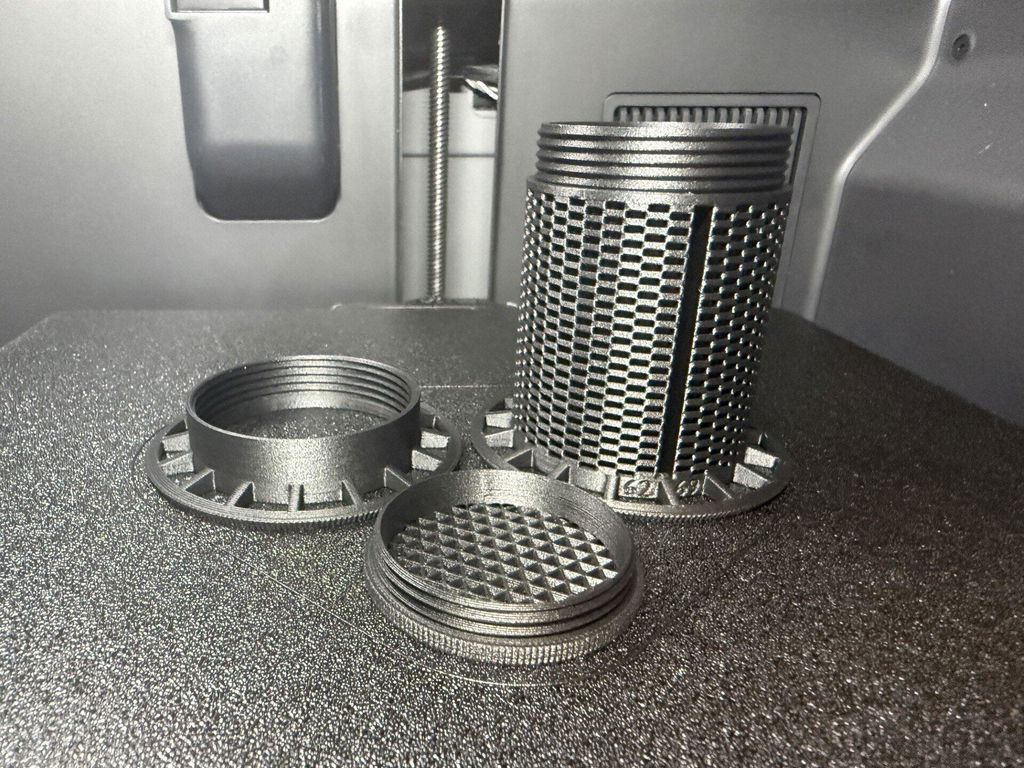
Consistent and worry-free filament. Fiberon pet-cf17 is my new favorite CF filament.
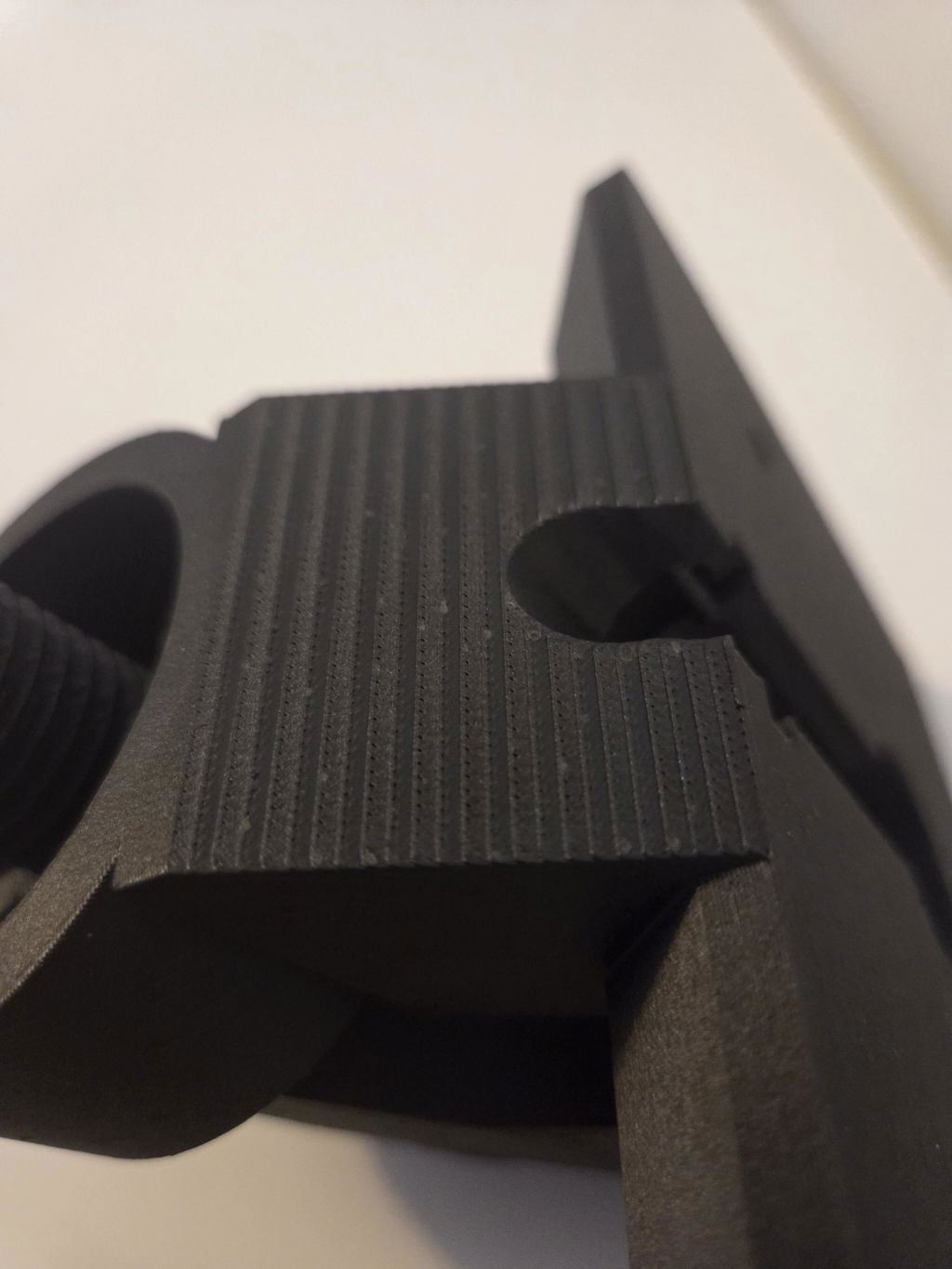
Well packed, quick shipping, quality product resulting in quality functional prints.It's not cheap,but when it comes to printing parts you rely on,you gget what you pay for.
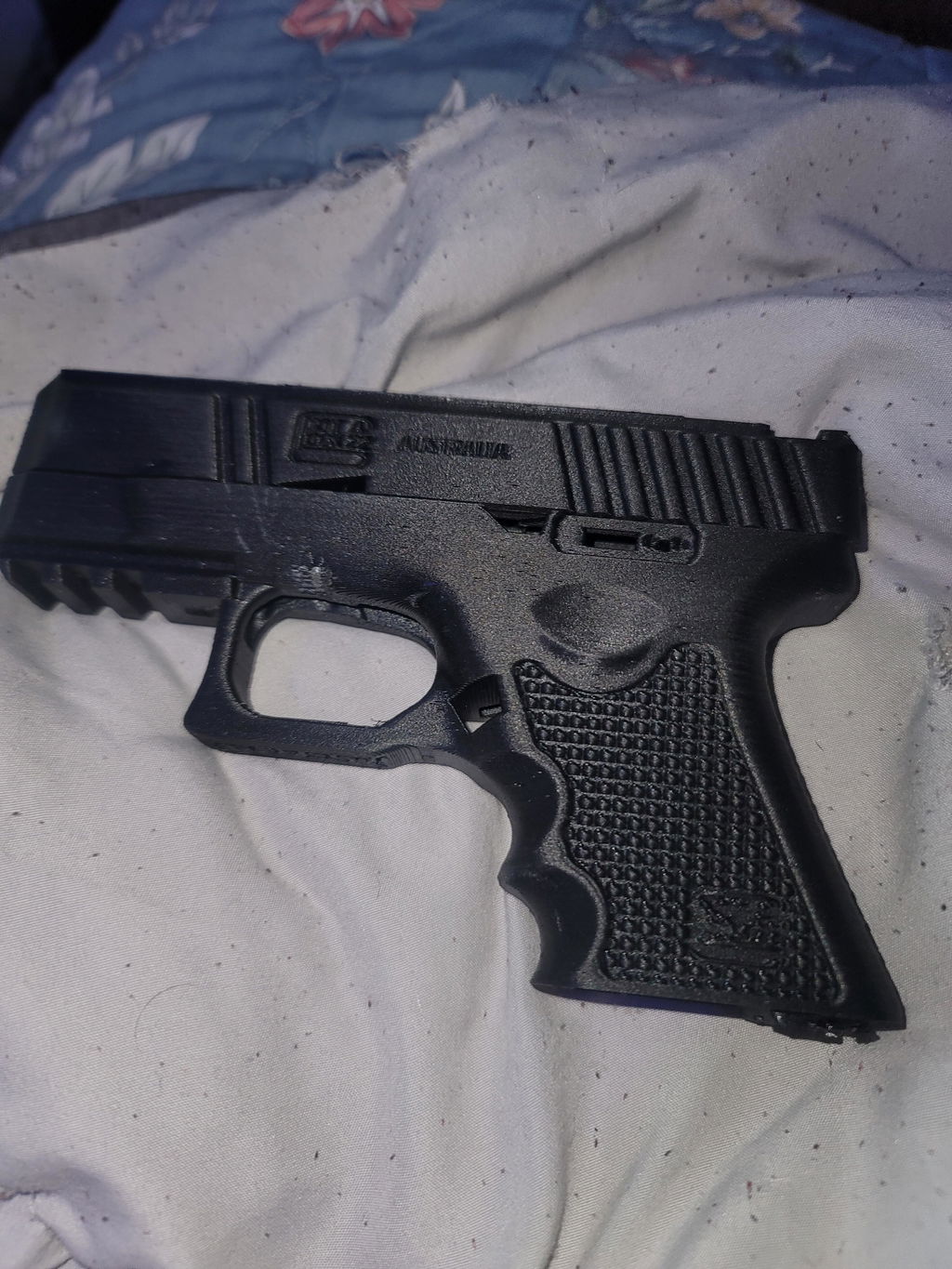
I was worried these large spools would be trouble, but I was wrong. They have worked out better than I thought they could! I print a lot of large files. Being able to print several parts back to back without having to change the spool has been a huge blessing! Will be ordering more very soon!
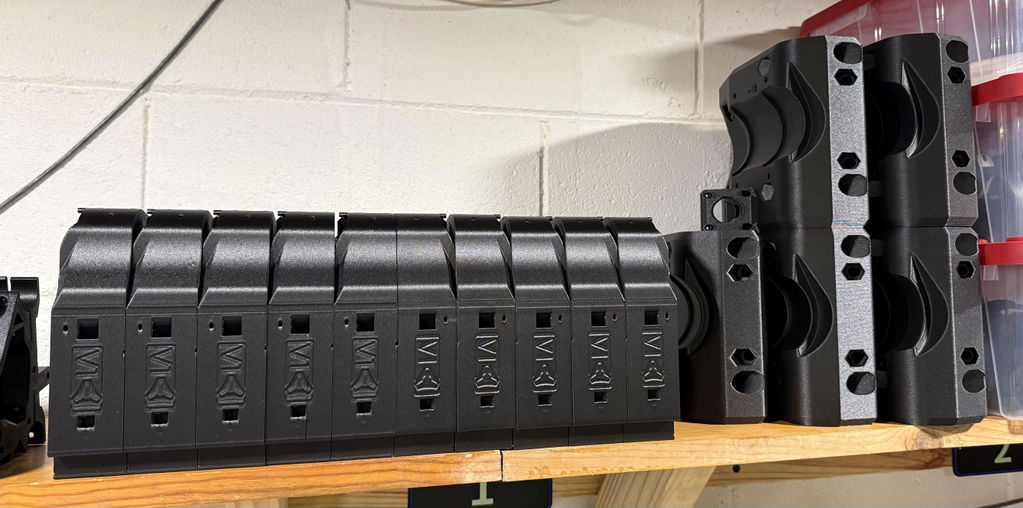
Great product. Worked as expected.
This filament prints like pla but is insanely strong. It comes off the printer perfectly when using their settings on my p1s. Ive printed with it all day at times and each print came out the same. Its by far my favorite CF filament!
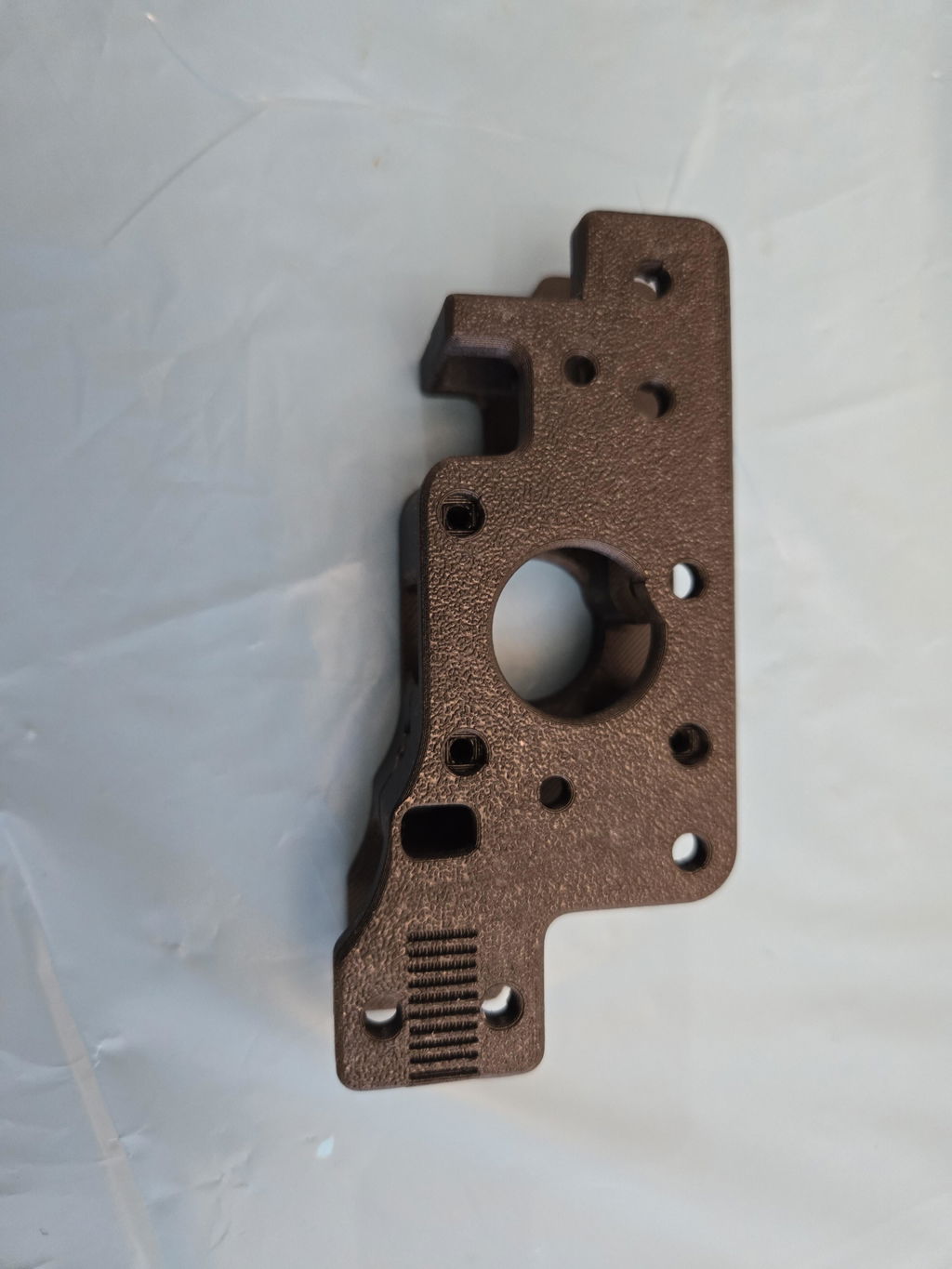
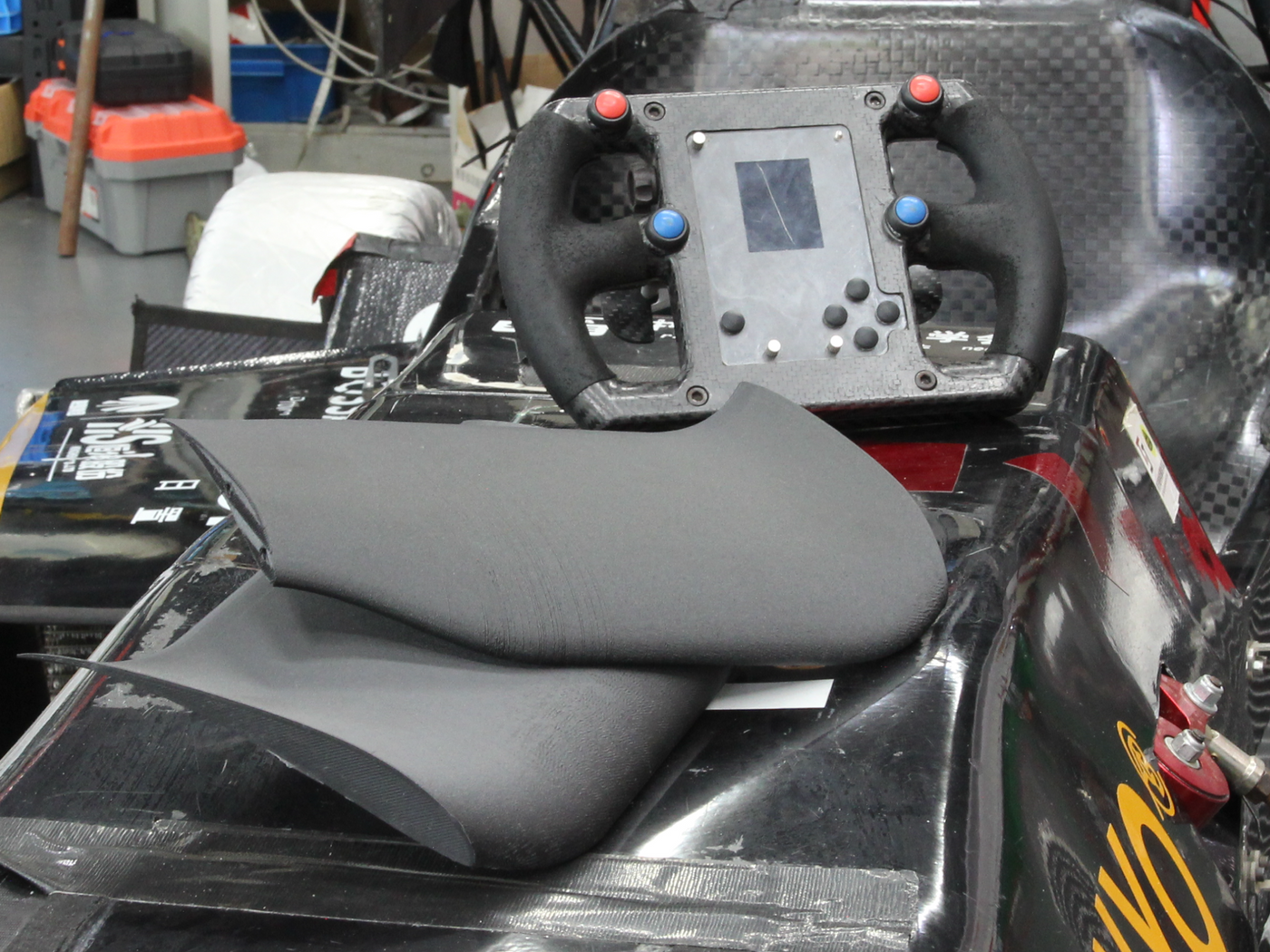
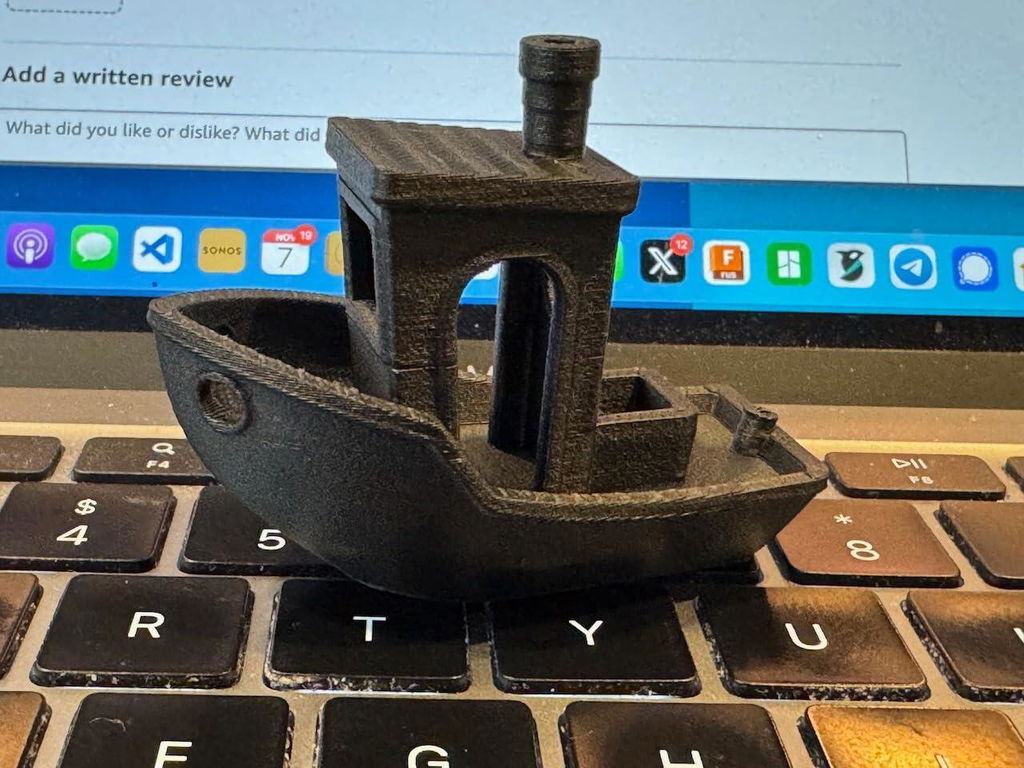
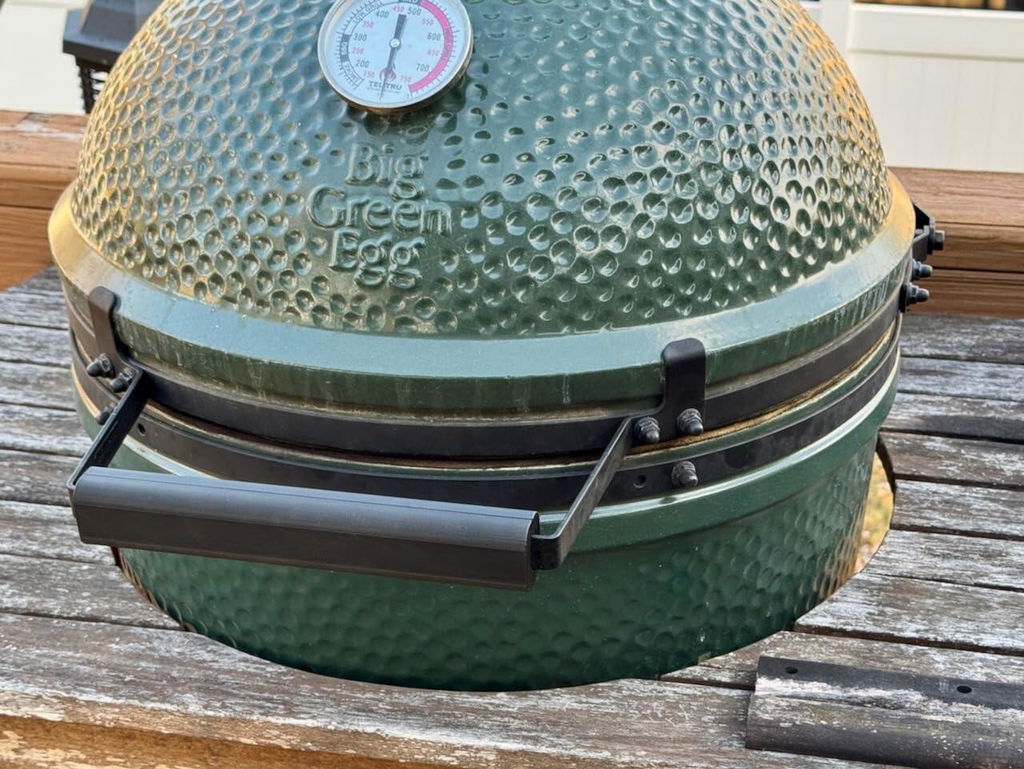
I ordered this stuff because I wanted to print a new handle for our Big Green Egg. The original handle had seen better days, and of course I needed something that would have a lot of heat resistance, so I went for the PET-CF17. Both things printed here were done on a Bambu Lab A1 using a 0.4mm hardened hotend with a Darkmoon3D Satin build plate, and it pretty much runs at the limit of the hotend, printing at 300C. These prints were straight out of the package, no drying time. I did place the spool in a drybox that I'm printing from.I first printed a Benchy, which as you can see came out about as nicely as any I've seen. Zero stringing, bridging was perfect, no layer shifts, etc. All the good things you're looking for. Also shown is the new handle on the Egg, alongside the old one. The big handle warped a tiny bit, but once I screwed it in place, it straightened right out. I'm confident that if I was running an enclosed printer, or maybe went up to 75 or 80C on the bed that it would be perfect.
PET17CF is my favorite Fiberon filament. It prints perfectly and is very strong.
Livraison efficace, produit de très bonne qualité
used for a d class model rocket. performed great.
Produit top comme toujours avec Fiberon et Polymaker
Well packed.... Great products... Will order again
Love it!
Relatively poor layer adhesion due to the high carbon fiber content. Sticks extremely well to my PEI coated bed, so much so that I destroyed the coating trying to get the brim off of my latest print.
Fiberon PET-CF17 is one of my favorite materials. I made some brake levers for my moped out of this stuff and I have been extremely pleased with the results. Compared to nylon this is definitely stiffer, it has very minimal flex. It can be a little brittle though. If your part is prone to flexing, this is not the best choice of material. The moisture absorption is definitely much lower than nylon BUT it does require drying before use for a nice surface finish.
It very strong in xy axis. very weak in z axis. needs to be annealed if it's going to be exposed to temps over 90-100c. Impact resistance is verylow.
Got an amazing deal on this with Polymaker’s 35% off discount. Shipped fast anfd recieved in two days. Filament orints very smooth on my Bambu A1 with no enclosure.
Fiberon PET-CF17 is AWESOME!
3kg spools are great.
Easy to print. Very strong and has a nice finish that hides layer lines. Must be kept very dry.
This filament prints excellent on my Bambu A1 without an enclosure to create an exceptional strong print with a very smooth surface. Absolutely love it!!
Outstanding filament. Very wear resistant and good for mechanical prototyping.
Love this stuff, its my preferred filament for structural parts
By far my favorite high strength filament with a beautiful smooth finish. Rock solid. Prints with a challenge onna Bambu A1 without an enclosure. Make sure its dry and run the nozzle at 290 C, dont exceed speeds of 80 mm/s to ensure good layer adhesion.
Easy to print with and makes good looking parts. Be worn though you do not get high temp resistance unless you anneal the parts. When an annealing it can warp. Especially with larger parts.
Great high performance material for all around use. Rigid, Strong, Prints easily, High temperature resistance, great price. Pretty much my default for functional parts.
Can’t wait to try this filament. Polymaker is awesome.
Quality as always. Suggest a 0.6 nozzle to avoid clogs.
Prints like PLA
