


5-10 days
Payments
Description
Description
Fiberon™ PETG-rCF08: Recycled Carbon Fiber Reinforced PETG Filament
Eco-Friendly Engineering Performance
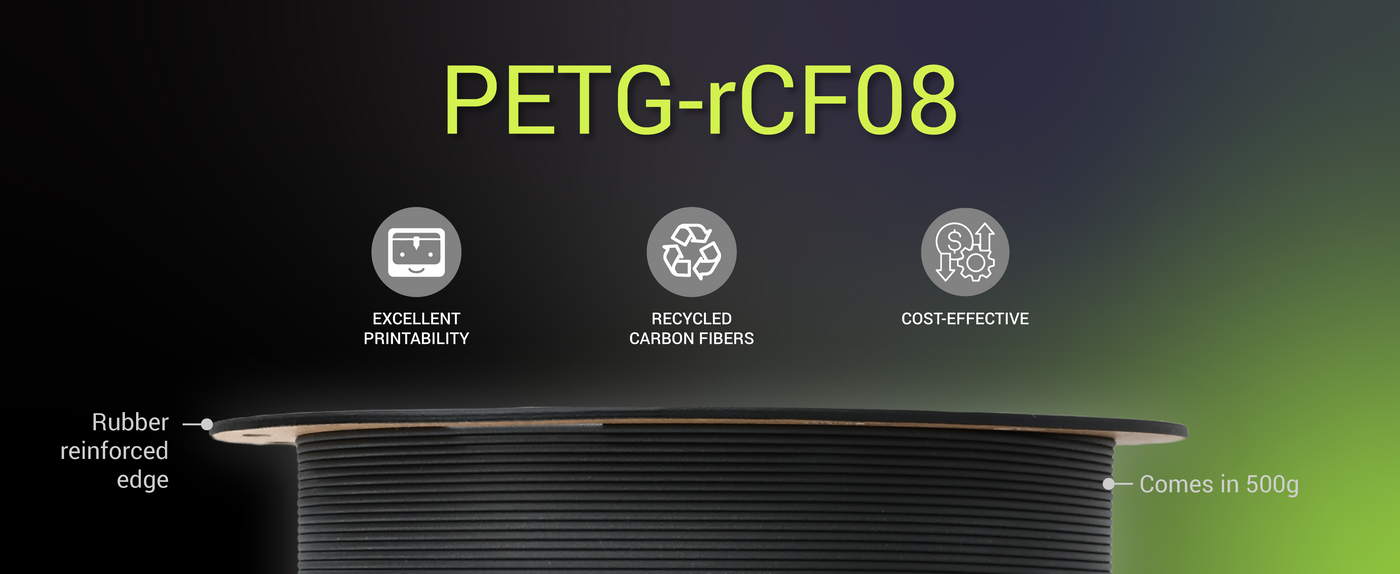
Fiberon™ PETG-rCF08 is a high-quality 3D printing filament made from PETG (polyethylene terephthalate glycol) reinforced with 8% recycled carbon fiber. This sustainable composite combines the ease of printing and balanced properties of PETG with the added strength, rigidity, and unique surface finish provided by recycled carbon fiber.
Key Features and Advantages
- Recycled Carbon Fiber Content: Uses 8% recycled carbon fiber, making it an environmentally conscious choice without compromising performance.
- Improved Mechanical Properties: Enhanced strength and stiffness compared to standard PETG, suitable for functional parts and engineering applications.
- Superior Surface Texture: The carbon fiber reinforcement provides a matte, professional-looking finish that hides layer lines and improves part aesthetics.
- Easy to Print: Maintains PETG’s reputation for low warping, excellent layer adhesion, and reliable performance on most FDM/FFF 3D printers.
- Moisture Resistance: PETG’s natural resistance to moisture absorption is complemented by the carbon fiber, ensuring consistent print quality.
Ideal Applications
Perfect for prototyping, functional parts, jigs, fixtures, and any project where sustainability, strength, and appearance matter.
Choose Fiberon™ PETG-rCF08 for your next project when you want a sustainable, strong, and visually appealing filament that’s easy to print and engineered for real-world use.
Printing Requirements
Print Settings
Print Settings
Fiberon™ PETG-rCF08
- Eco-Friendly Engineering Material
- Improved Strength & Stiffness
- Matte Surface Finish
- Easy to Print
- Ready to Print
Fiberon™ PETG-rCF08 - Black / 0.5kg is backordered and will ship as soon as it is back in stock.

Technical Specifications
Everything you need before you hit print
- Use a wear-resistant nozzle, such as hardened steel or ruby; the TDS notes that brass-nozzle life may be approximately 9 hours. An all-metal hotend is recommended but not required.
- Store and print under dry conditions (relative humidity below 20%); dry at 65°C for 3 hours before use.
- Use 0-50% cooling; and keep the chamber at room temperature.
- An enclosed printer is recommended. If an open-frame printer needs to be used, the Preset files released by Polymaker is recommended to apply.
- Annealing is not specified for this material.
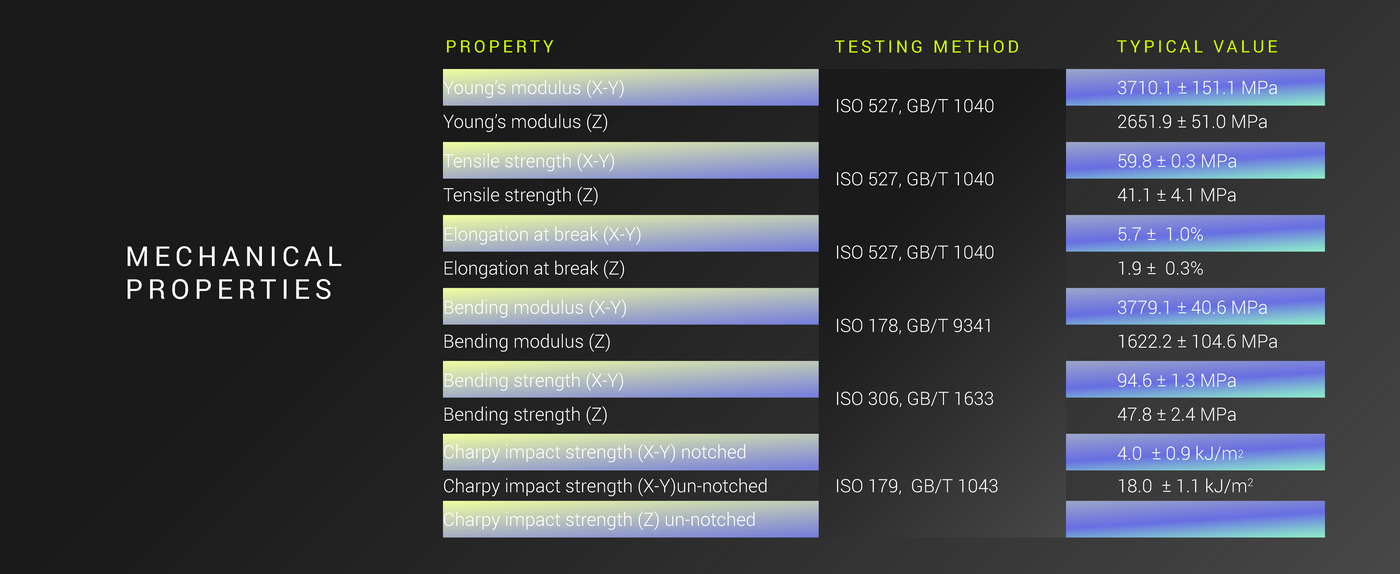
| Property | X-Y | Z | Value | Method |
|---|---|---|---|---|
| Density | — | — | 1.3 g/cm³ Important | ISO 1183 |
| Tensile strength | 59.8 MPa Important | 41.1 MPa Important | — | ISO 527 |
| Elongation at break | 5.7 % Important | 1.9 % Important | — | ISO 527 |
| Bending strength | 94.6 MPa Important | 47.8 MPa Important | — | ISO 178 |
| Bending modulus | 3779.1 MPa Important | — | — | ISO 178 |
| Young's modulus | 3710.1 MPa Important | 2651.9 MPa Important | — | ISO 527 |
| Charpy, notched | 4 KJ/m² Important | — | — | ISO 179 |
| Glass transition temperature (Tg) | — | — | 69.7 °C Important | ISO 11357 |
| Vicat softening temperature | — | — | 81.6 °C Important | ISO 306 |
| HDT (0.45 MPa) | — | — | 68.6 °C Important | ISO 75 |
| HDT (1.8 MPa) | — | — | 65.7 °C Important | ISO 75 |
Tested on 100% infill specimens. X-Y = across the layers, Z = between the layers (layer adhesion).
Frequently Asked Questions
Got questions? We've got answers. From choosing the right material to caring for your spools, here's everything you need to know in one spot.
Will the spools work in an AMS?
What is the difference between PET and PETG?
Can you offer 1KG Fiberon™ Spool Options?
Customers praised this carbon fiber PETG filament for "beautiful" quality and exceptional strength for functional parts. Most found it easy to print with "virtually no print lines." However, some noted it requires proper drying and slower speeds than advertised. Customers recommend using a hardened nozzle and keeping it dry for best results.
First time printing with with Fiberon PETG-rCF and I am blown away with how great this stuff prints!
My daughter's bed slat holders broke and I figured I have had this sitting here for a bit, whey not give it a go. I am so glad I did!
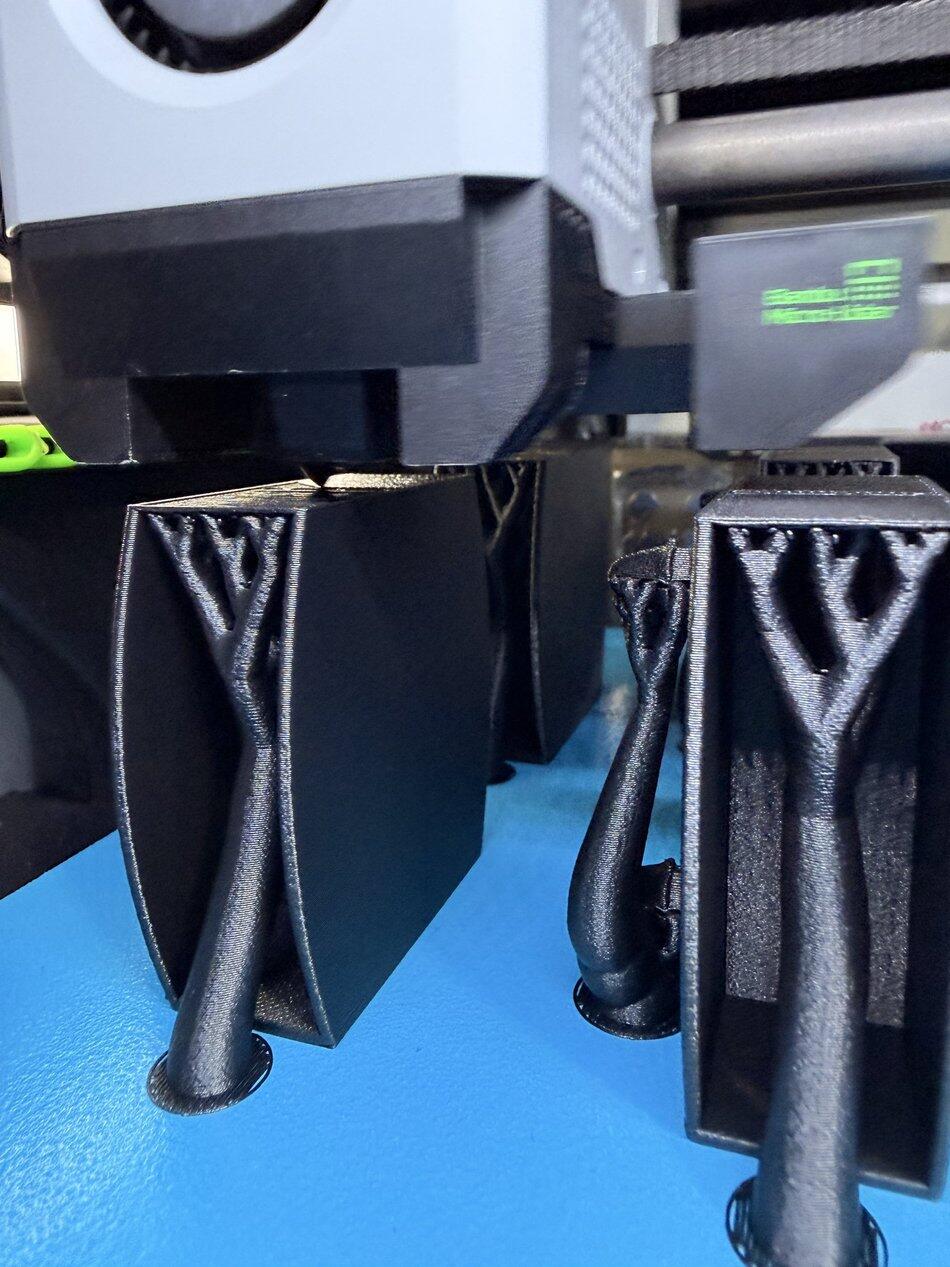
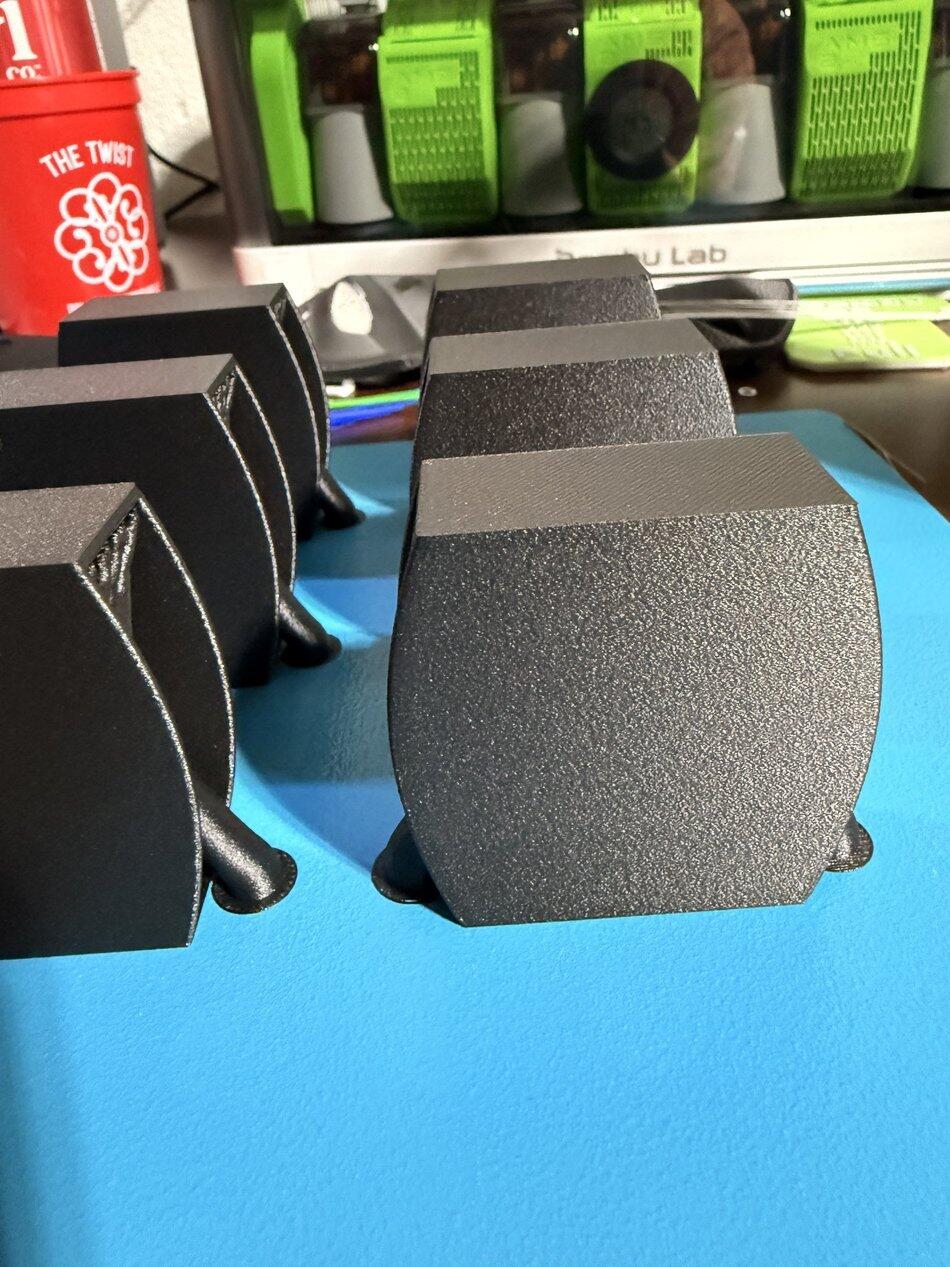
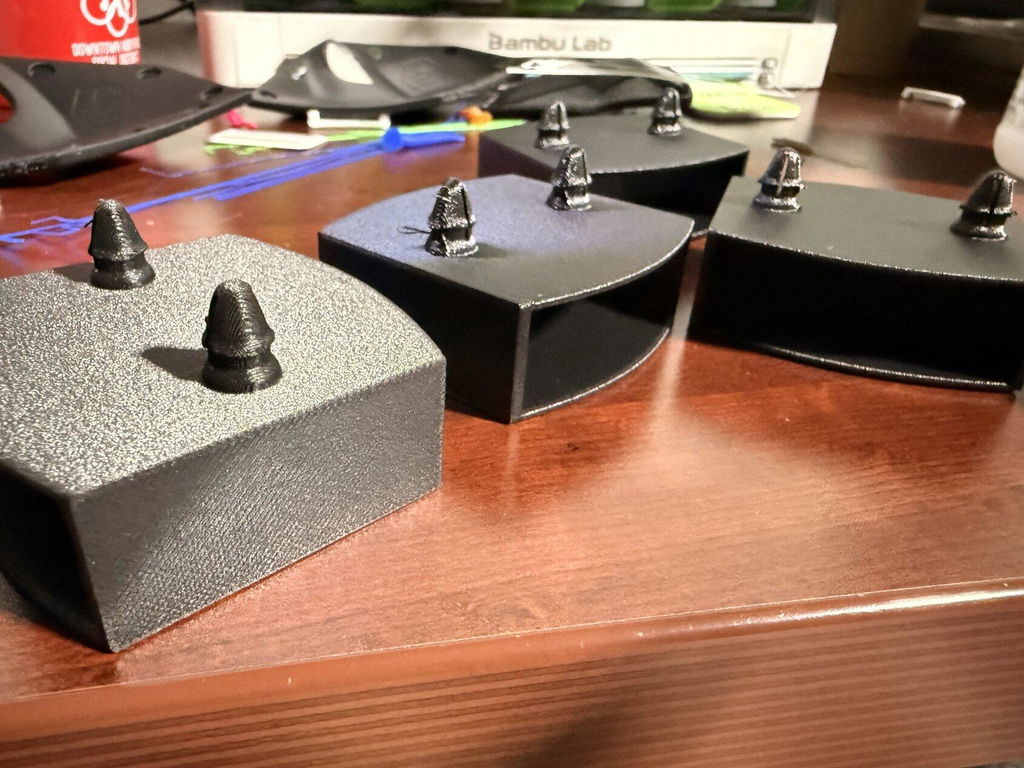
Until I got my Creality K1 Max, I did not have a printer I felt comfortable printing exotic materials with. For me, I consider ABS, ASA, and PA type filaments exotic because of the extra special considerations besides load filament and print. I really didn't want to waste filament trying different settings and calibrating this filament so it took me awhile to settle on a small print to just send and see what happens.I used OrcaSlicer and modified a default PA profile and used my regular print settings with some minor tweaks. This is the result. I wanted to show how easily supports come off and how clean it looks. Usually there would be loose strings on the layer touching supports, this stuff kept it together.
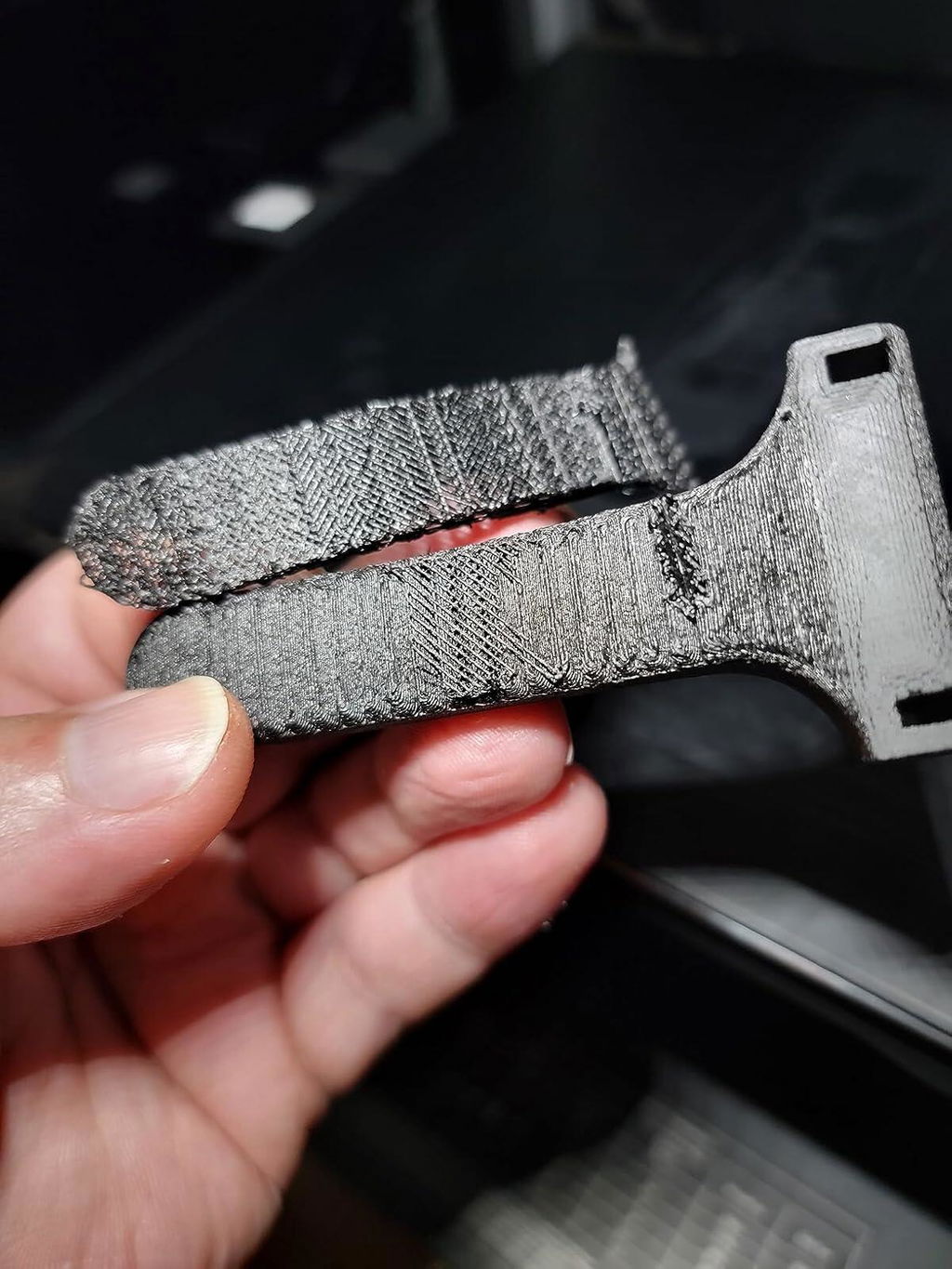
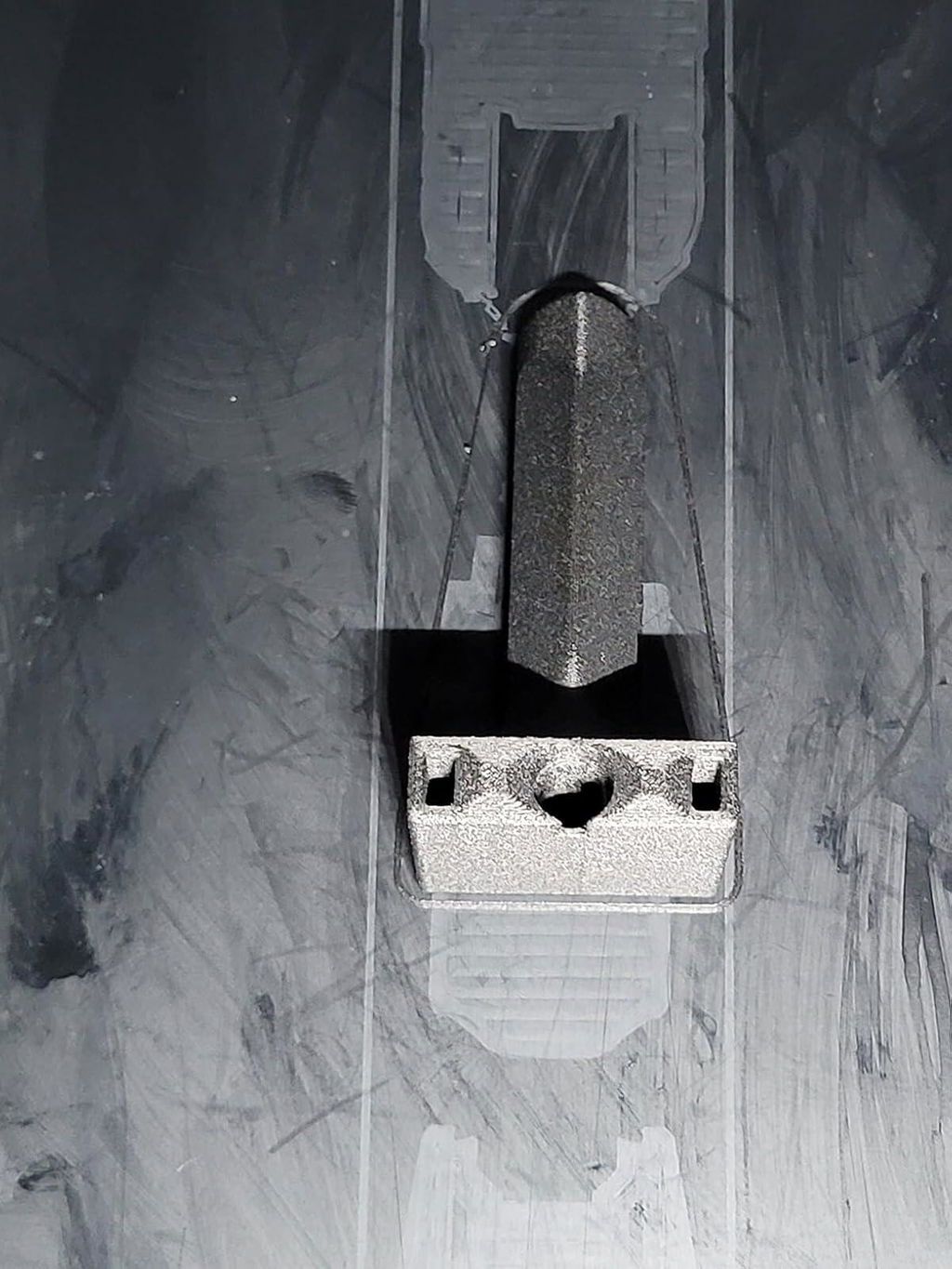
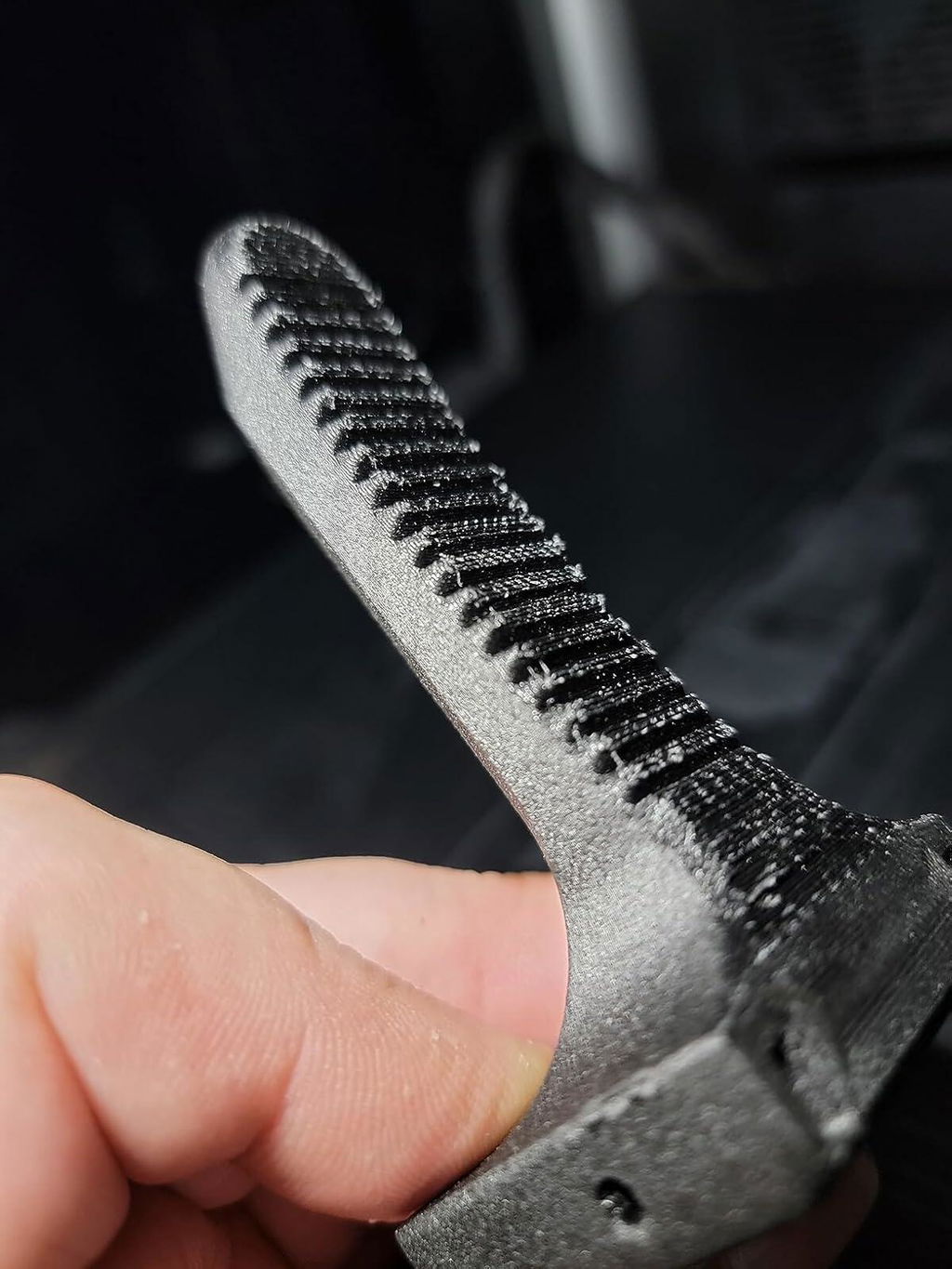
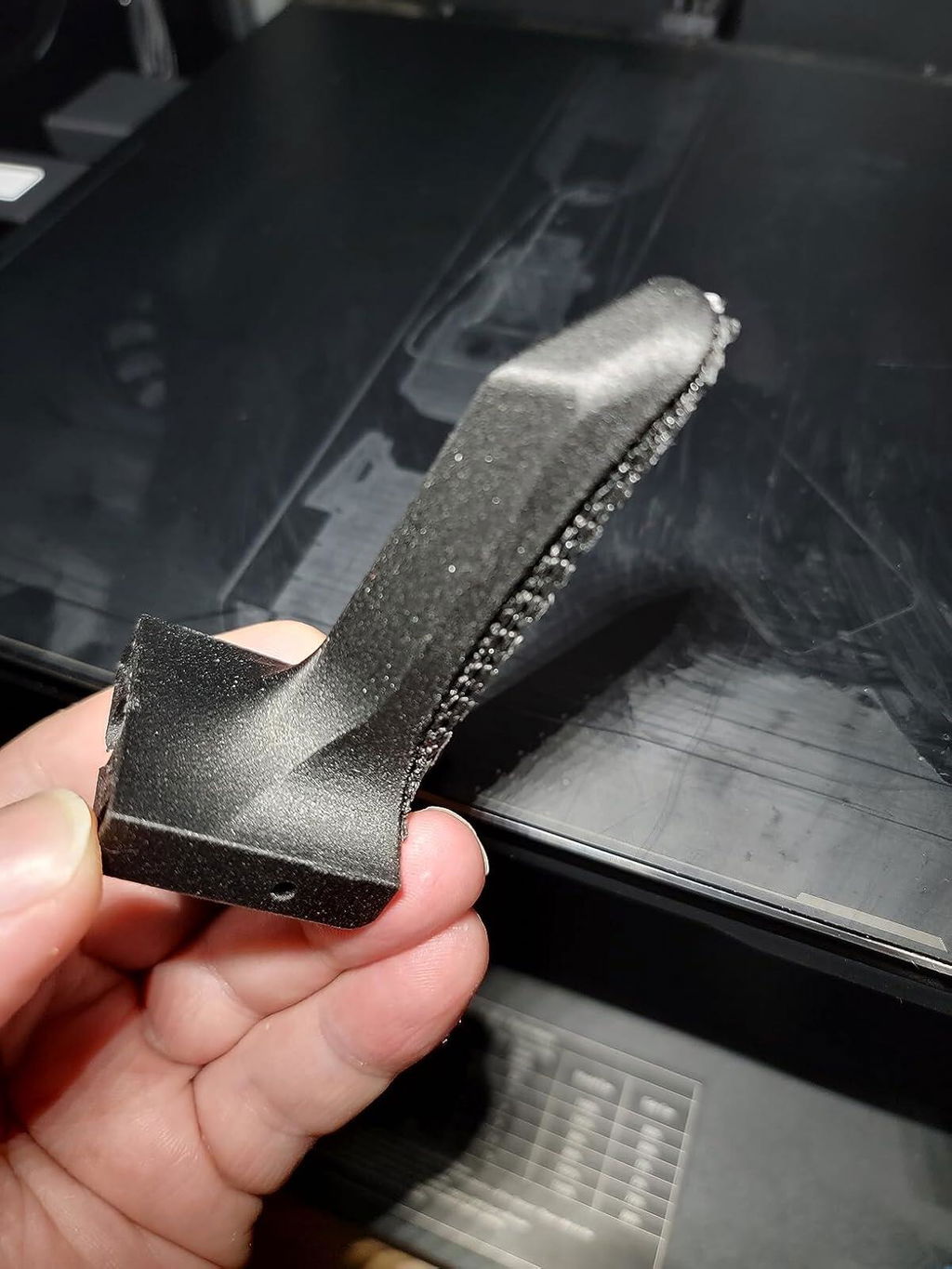
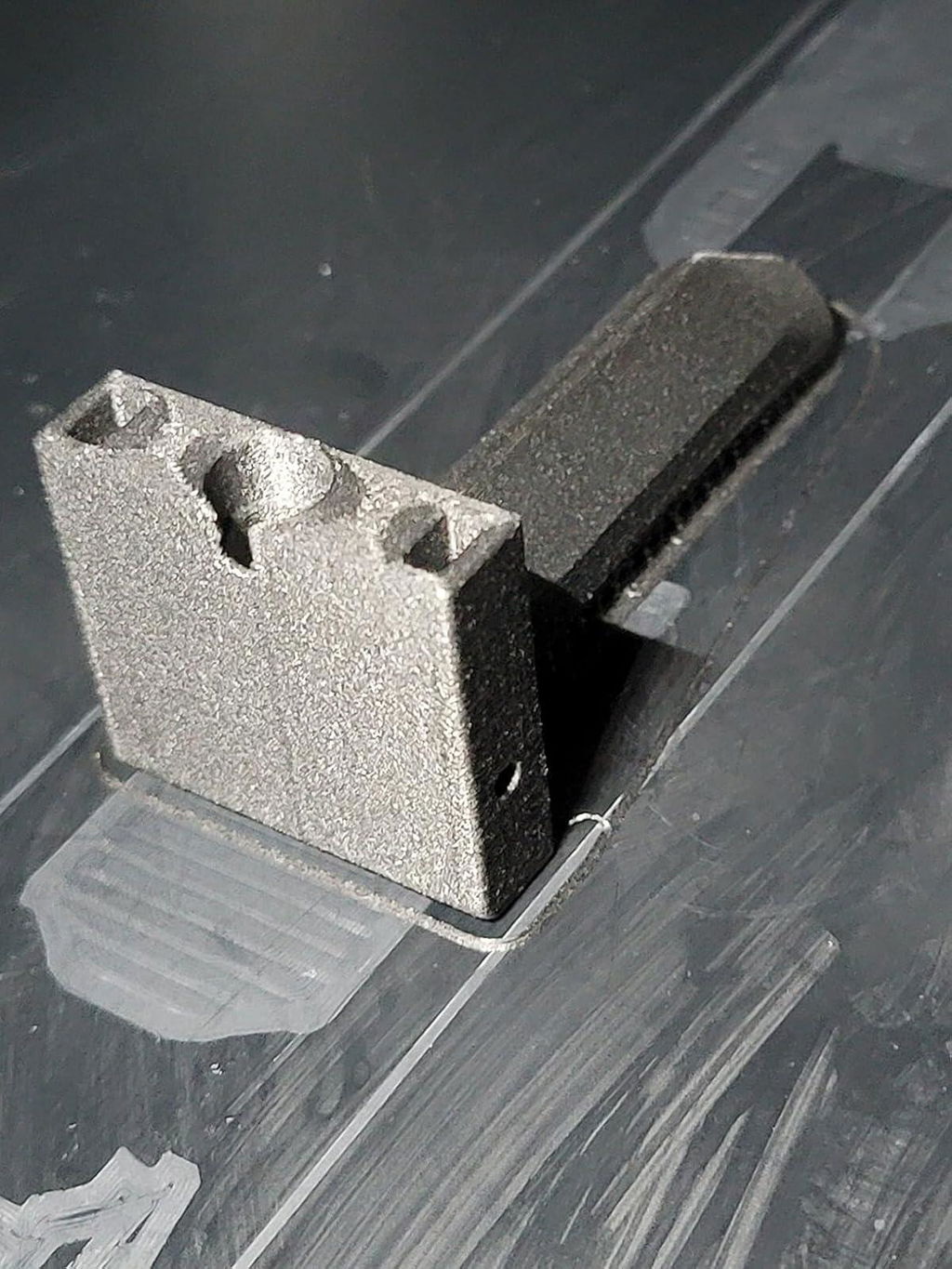
I have been using this for most of my recent prints. The quality comes out beautifully and the durability and heat resistance makes it extremely functional. I tend to mostly print practical parts such as computer and desk accessories as well as components for my printer and this filament is perfect for that application.
Yes, This is great. use a .6 nozzle, though.
Great filament! Print slow and take your time. Virtually no print lines and strong prints.
amazing filament
Fantastic material. Fantastic quality.
I do mostly functional prints where I need rigid strong parts and this fits the bill. There is value in what you pay for and yes this is a bit pricy, so I purchase 3Kg spools. I do not see any significant wear on my nozzle (Q1 Pro), and I've printed a lot of CF & GF thru this printer, very pleased. I want the QiDi Q2 w/Box so badly but just can't swing it, maybe one day I'll be able to.
This is my go to fillament, it never fails, and is strong enough for almost all your projects. Ive used this fillament as a replacement for aluminium and it holds great
Prints lovely.
It’s Polymaker it has CF, it comes in 3kg rolls. Its a gateway to addiction. Had to buy another its so good.
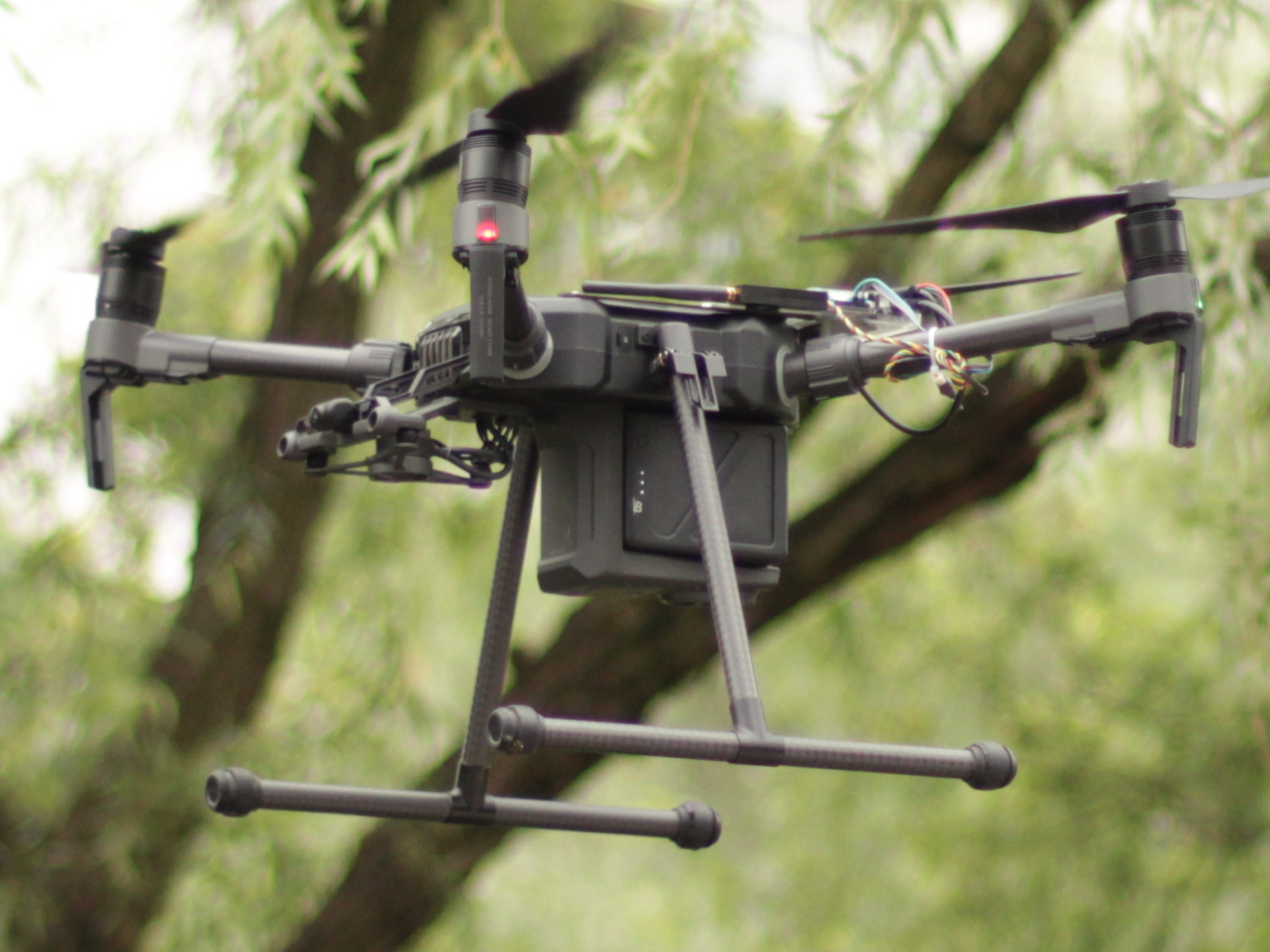
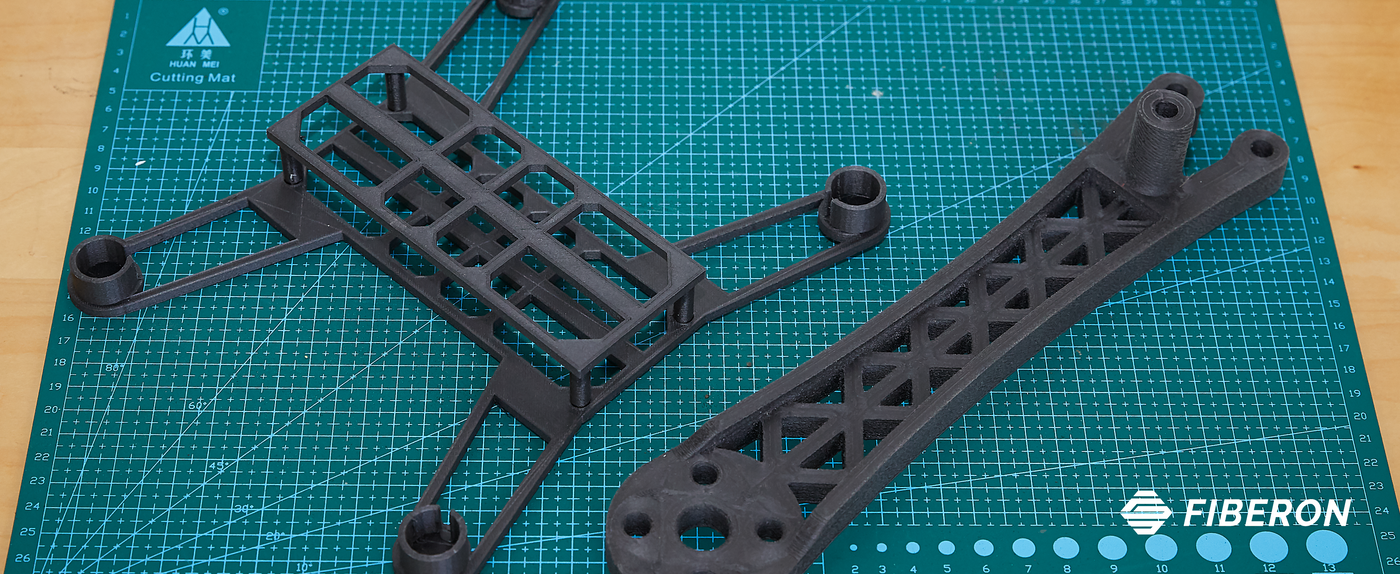
Love this for drone parts
One of my favorite filaments to print. Surface quality, bed adhesion, ease of printing and pricing are just outstanding.
Great filament.
Works great! Prints are nearly flawless. This is the easiest to print PETG I've used. I'm even comparing it to a competitor's PLA-CF which was so stringy it's borderline unusable for all but the simplest of prints. The fact that my PLA print is a disaster but my PETG print is perfect is quite the feat!
The product performed as expected. It is PETG and performs like PETG, and the carbon fiber gives it good stiffness and strength.
My one criticism is that it does not print well at the highest advertised speeds. I tried printing at a mere 200 mm/s of the advertised "up to 300 mm/s", and I ended up wasting a lot of the filament on failed prints due to layer adhesion issues. I had to dial down the speed to get the filament to behave itself.
This is good carbon-fiber PETG if that is what your project requires. Just print it slower.
Love it. Its very sturdy and a good black color.
I love this filament! It prints beautifully
WOW. Polymaker simply is the best.
I use this stuff for functional prototypes in the arms industry.
It did not print at all right out of the vacuum plastic because it had absorbed moisture. After drying, I achieved beautiful prints
Before i purchased the filament i researched pa6 cf. Oven drying or if you have a dryer able to reach over 80c (i run between 85 and 90c) is a must. Being able to print from my dryer makes an insane difference. It prints very easy with my enclosure. My biggest and only gripe is that it doesn't come in blue, red, orange, and gold. I think if there were colors I'd probably only use this filament. I can't wait until i have access to my large printer so i can start using the big rolls instead of just getting the 500g rolls.
One of my favorites when it comes to "engineering grade" filaments. Nylon kind of sucks to print but the carbon fiber helps greatly with many of the issues nylon has during the printing process. It helps greatly in terms of print quality, overhangs and bridges and things dealing with extrusion consistency and control. However the CF does not help at all with bed adhesion or layer adhesion so bed adhesive is required and no fan at all. The Nano Polymer adhesive from Vison Miner works very well for this and many other hard to stick down filaments. It's a bit pricy but it goes a long way and is WAY better than glue stick in every way but price. Don't even think about using a CF filament unless you have a hard nizzle of some sort. The CF will ruin a brass nozzle in just 1 or 2 prints, no joke.
I print 48-pitch RC car transmission gears, transmission cases, and chassis parts with this CF-PA6. It works on my 0.25mm Nozzle-X without clogging! Keep it dry (13% RH is what my dryer says). I print it hot and fast and use Magigoo PA on a 45c bed with great results.Here's what I found works for getting that "black aluminum" strength on my i3 printer: 300-305c nozzle (I use a 60W heater), 45c bed with Magigoo PA, KEEP IT DRY (Use a filament dryer that goes to 70c) and keep your layer times under a minute but more than 6 seconds (I print up to 150mm/s). NO PART COOLING. Tune your flow ratio before printing real parts. If you use part cooling for BRIDGING ONLY, apply thin or medium CA glue to the underside of the bridged surfaces for better layer adhesion for those layers after printing.An enclosure would help, but it's not necessary. I don't use one.
