


5–10 days
Payments
Description
Description
PolySonic™ PLA: High-Speed Printing, Uncompromised Quality
Revolutionary High-Speed Performance
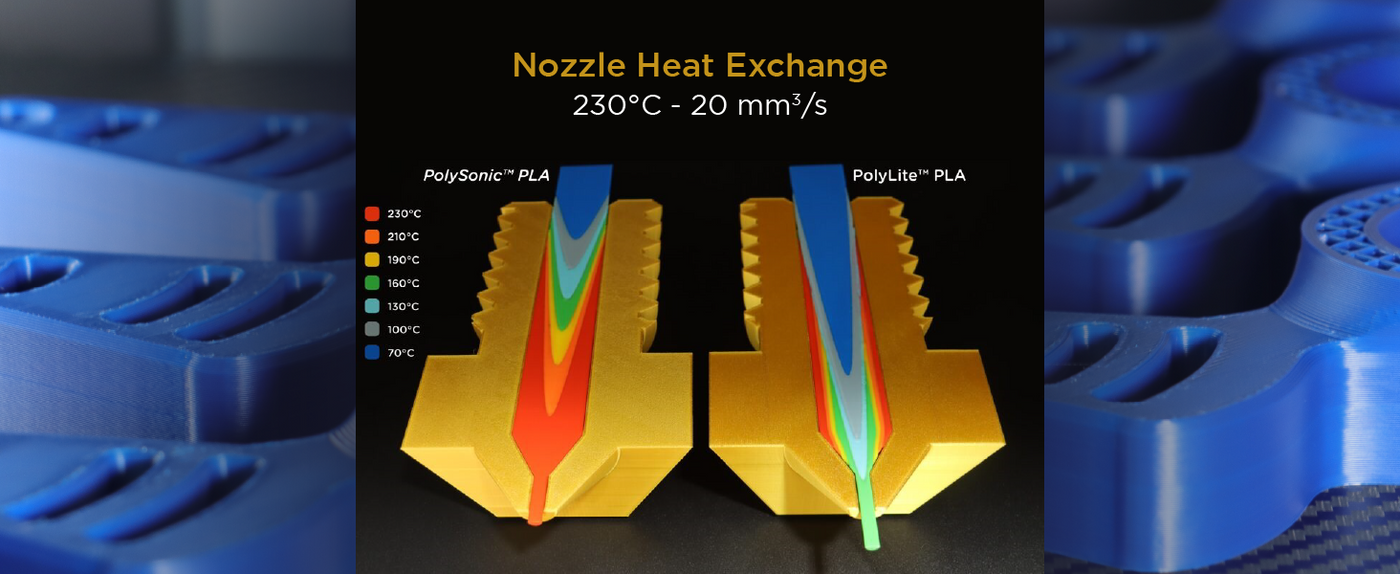
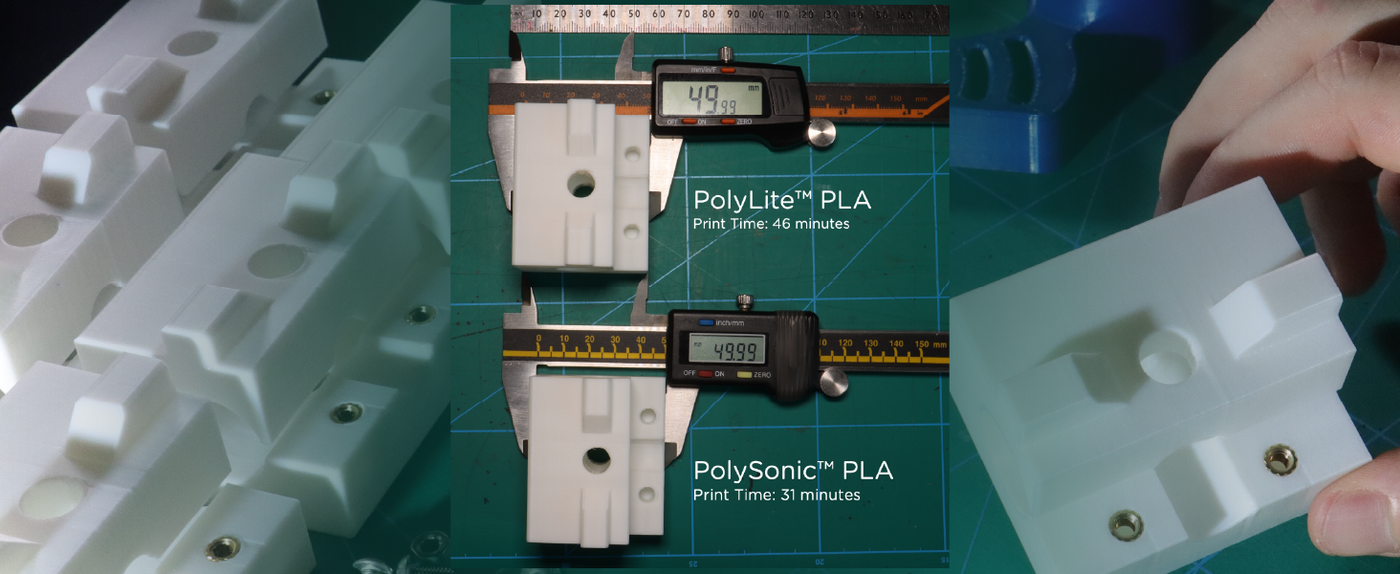
PolySonic™ PLA is engineered to redefine rapid 3D printing, delivering lightning-fast extrusion rates and exceptional precision. This filament enables you to dramatically accelerate your workflow—achieving print speeds up to 300mm/s—while maintaining outstanding strength and surface quality.
Consistent Quality at Any Speed
Thanks to its optimized formulation, PolySonic™ PLA ensures excellent layer adhesion and dimensional accuracy, even at high speeds. It retains up to 90% of its mechanical properties when printed at 300mm/s compared to standard speeds, so you never have to compromise on durability or detail.
Advanced Printability and Versatility
PolySonic™ PLA features a wide extrusion window and stable flow, making it compatible with most high-speed 3D printers. Print settings typically range from 210–230°C with a bed temperature of 25–60°C, and the material performs reliably with both standard and advanced slicer profiles.
Ideal for Productivity-Driven Projects
Whether you’re producing prototypes or end-use parts, PolySonic™ PLA empowers you to maximize productivity without sacrificing print quality. Its innovative design makes it the ultimate choice for makers and professionals seeking speed, reliability, and strength in every print.
Printing Requirements
LayerHub is now live. A community-built home for filament presets — open to every filament brand, every printer. Every preset comes with a real print photo to prove it.
Print Settings
Print Settings
PolySonic™ PLA
Key Features
- High-Speed Printing
- Maintains Strength at Speed
- Excellent Print Quality
- Reliable Flow
- Ideal for Productivity
PolySonic™ PLA - Black / 1kg is backordered and will ship as soon as it is back in stock.

Technical Specifications
Everything you need before you hit print
Printing Tips
- Start within the recommended 190 - 230°C nozzle and 30 - 60°C bed ranges, then make small adjustments for the printer and model.
- Use the recommended ON cooling-fan setting and keep printing speed within 50 - 300 mm/s.
- Run a small test print before a long job and adjust only within the published printing window.
- Keep the filament path clear and confirm smooth spool feeding before starting a long print.
| Property | X-Y | Z | Value | Method |
|---|---|---|---|---|
| Density | — | — | 1.23 g/cm³ Important | ISO 1183 |
| Tensile strength | 46 MPa Important | 37.3 MPa Important | — | ISO 527 |
| Elongation at break | 21.5 % Important | 4.2 % Important | — | ISO 527 |
| Bending strength | 76.5 MPa Important | — | — | ISO 178 |
| Bending modulus | 2868.2 GPa Important | — | — | ISO 178 |
| Young's modulus | 2878.3 GPa Important | 2689.8 GPa Important | — | ISO 527 |
| Charpy, notched | 6.1 KJ/m² Important | — | — | ISO 179 |
| Melting temperature | — | — | 164 °C Important | ISO 11357 |
| Glass transition temperature (Tg) | — | — | 59 °C Important | ISO 11357 |
| Vicat softening temperature | — | — | 61 °C Important | ISO 306 |
| HDT (0.45 MPa) | — | — | 53 °C Important | ISO 75 |
| HDT (1.8 MPa) | — | — | 52 °C Important | ISO 75 |
Tested on 100% infill specimens. X-Y = across the layers, Z = between the layers (layer adhesion).
Frequently Asked Questions
Got questions? We've got answers. From choosing the right material to caring for your spools, here's everything you need to know in one spot.
What is PolySonic™ PLA and PLA Pro?
What is a High Speed filament?
What are the advantages of using a High Speed filament?
What is the difference between PolyLite™ PLA, PolyMax™ PLA and PolyLite™ PLA Pro?
Will the spools work in an AMS?
Is this material food safe?
Do you sell refills?
Is this material recyclable?
Reviews
High-quality filament praised for excellent print quality and high-speed performance. Customers said it's "one of the best" with smooth surface finish and minimal stringing. Prints well at speeds up to 200mm/s with "no issues." Some noted higher transparency in certain colors and premium pricing, but overall highly recommended for reliability.
While I don't use it for everything, I do really like PolySonic PLA. I use some of the PolySonic colors for Hueforge prints because they offer noticeably higher transparency while still being "solid color". This give more range of color blending shades in the same layer thickness, a big win for Hueforge prints.
Spec wise, it's good. It honestly feels a little more like a PLA Pro than a base PLA, with it being a little softer and less brittle already The layer adhesion is what I consider "mid range" for PLA, but still works pretty well for most applications like toymaking and light mechanicals. Honestly, pretty well rounded and produces good results.
Just be aware of the higher transparency, as you might need extra layers to cover color changes and bleed. I use it to my advantage, so use it where it fits.


GOOD STUFF

One of the best PLA filaments I have used. Very forgiving in terms of machine and slicer settings. Prints come out clean with a smooth surface and I am able to take advantage of faster print speeds!
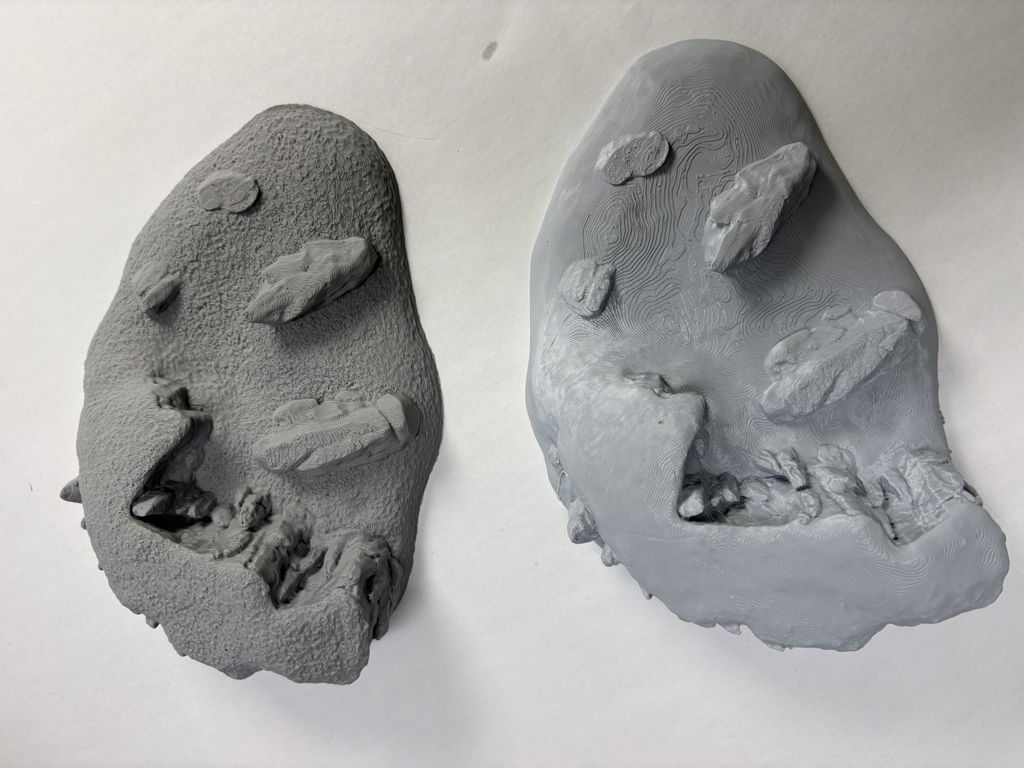
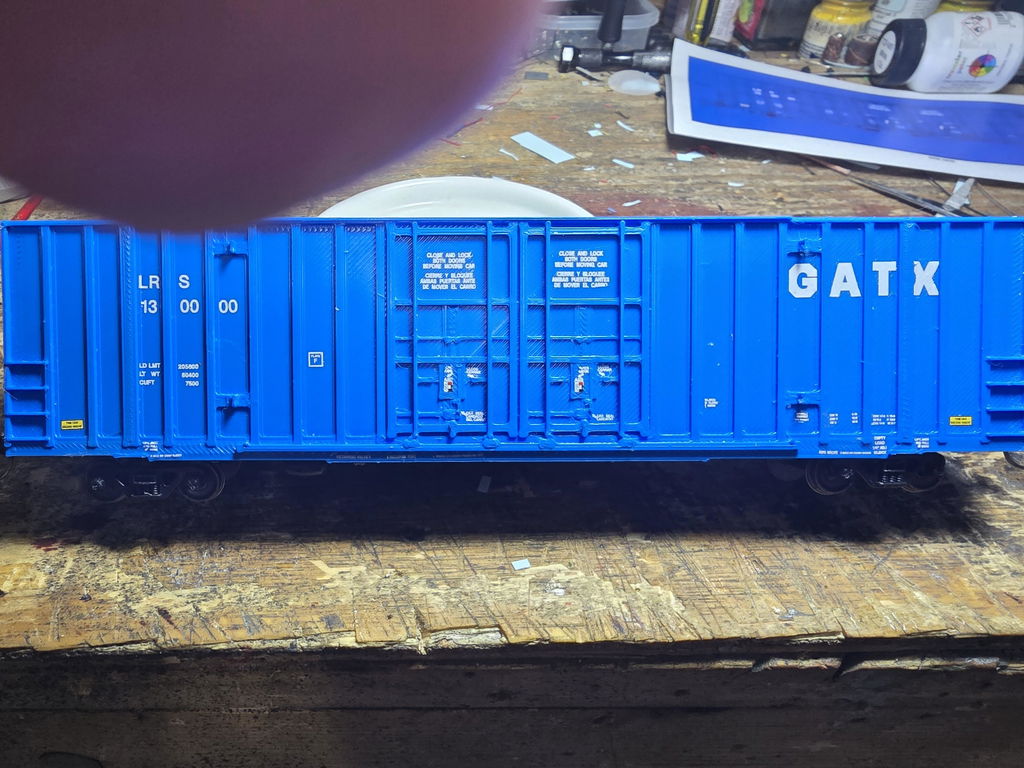
Very good product but the color yellow is a little too transparent for what I use it for. I print model trains, and I am having a time finding the right colors that are railroad related. It would be nice if someone would produce some!
My setup is modified cr-10s running klipperI print with the last version of orca slicer that has the option to keep the speed and flow rate(print outer wall without slowing down).I'm printing at 200mm/s with no problems and a perfect result.I will definitely buy this again .
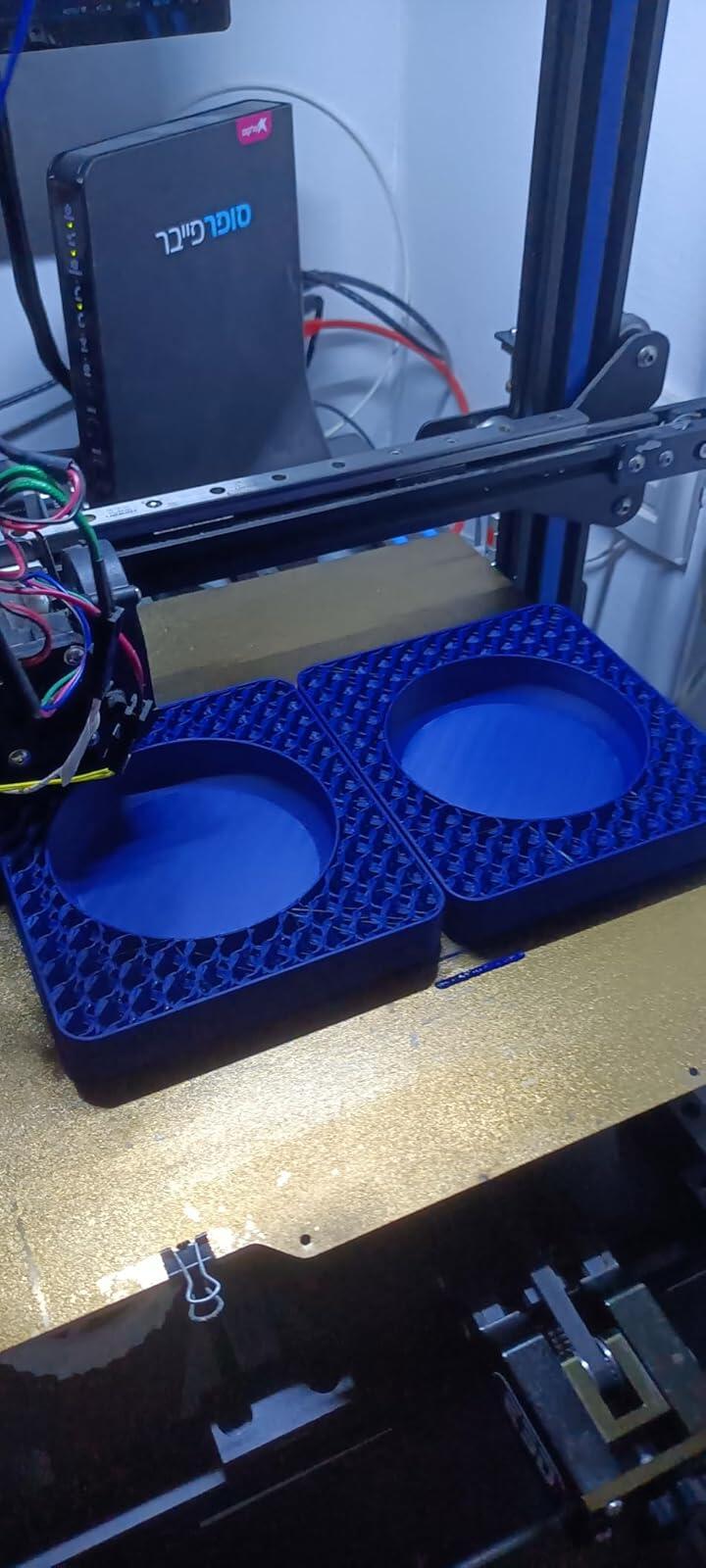
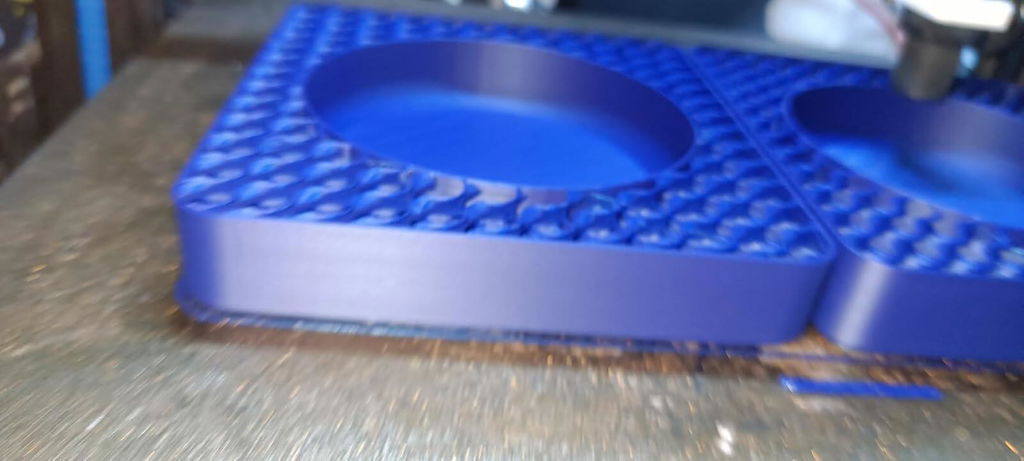
When printing complex models, it performed great with no fuss!
No complaints about this. It's a solid go-to filament for every-day printing. No frills, no waste. I was hoping to get a better print speed from it, but the documentation seems to suggest that the high-flow nozzle already provides me with the benefits I would otherwise get.
I love polysonic pla
Works great
Works great.
This is the most beautiful blue filament
Great filament! Always very happy with this filament!
Only done 1print a so far but it looks awesome.
I don't really have much to say about this filament. If you know Polymaker, you know it's going to be 10/10. And if for some reason something was off, you will be hard pressed to find a company that will take care of you as well as Polymaker.I didn't print anything crazy fast (250mm/s) But, this filament did well and printed with excellent print quality.
Solid filament. No issues at all. It was rolled well and did not experience any tangles.
I have tried many different brands of PLA and Polymaker is one of the best I have used. It is also more expensive than other "good" brands. I don't get warping which is one of the reasons I spend more for this PLA. It sticks to a clean plate and has little stringing. I use default P1S settings for Generic HS PLA with the door closed and have no issues printing.
one of the best filaments on the market highly recommend
I've tried lots of different filaments and Polymaker is by far my favorite. If it was not for the premium price, I would only buy their filaments. Now I mostly use it for things that matter and do prototyping with the cheaper stuff.
I tested several different brands of 'High Speed' or 'Rapid' PLA to find an alternative for the Creality Hyper PLA.So far the polymaker hasn't had any knots in the spool, and it prints better from what I can tell.
Title says it all!Very consistent prints and great quality!
Prints are smooth, no tangles and easy to work with in post production.
I wanted to see the difference between high speed pla and the regular pla...this stuff is incredible.On my Anycubic kobra 2 I can get very good prints in regular pla at around 80mm/s...With this PLA I can get the same result at 200mm/s!
Watch when you change from black to white. You need to purge a bunch because you will get grey.I print tenth scale RC truck bodies and this filament checks all the boxes once you get your settings dialed in. It prints very smooth even with .2 layer heights going at the high speed of a Bambu P1P.The cost is reasonable and post processing has been greatly reduced. It's my go to filament for feeding my hungry Bambu printer.
This filament is amazing. It handles high speed printing very well, something no other PLA I've used has really gotten right (which makes sense, since PLA generally isnt much of a speed filament), and more generally produces very high quality parts with a nice finish even when used like a normal filament.
What is the TD value for PolySonic White? I've heard it is around 7.5, is this correct?
I am sorry but we do not currently have TD data recorded for PolySonic!
