


5–10 days
Payments
Description
Description
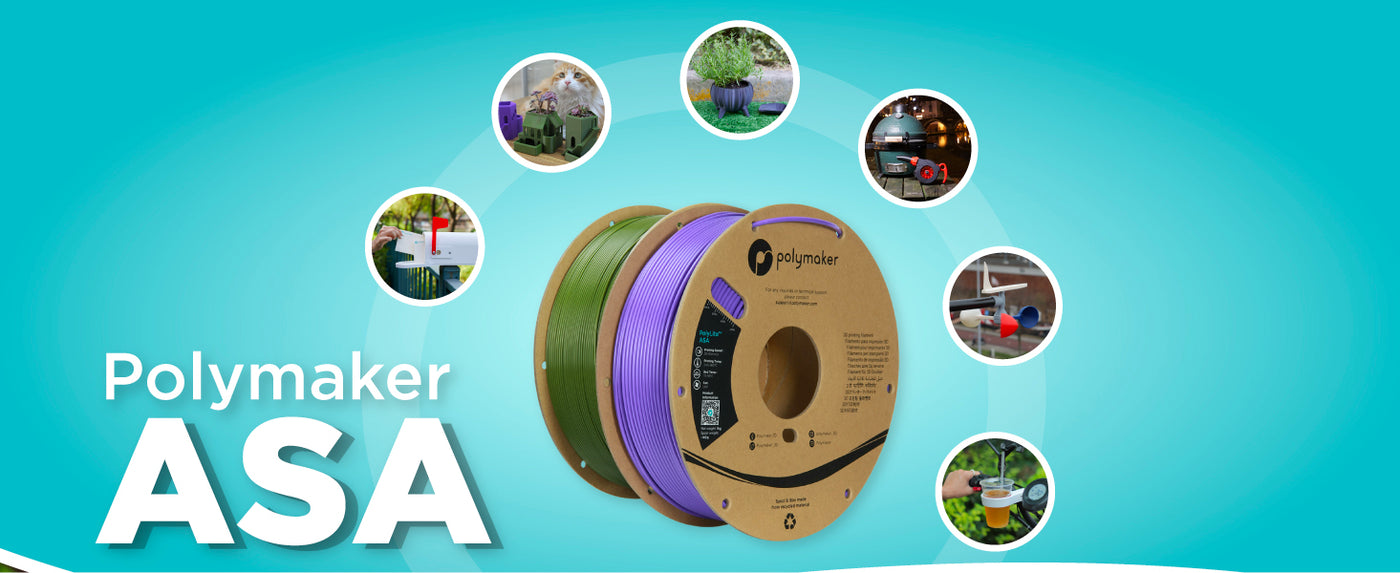
Polymaker™ ASA: UV Resistant, Outdoor-Ready Performance
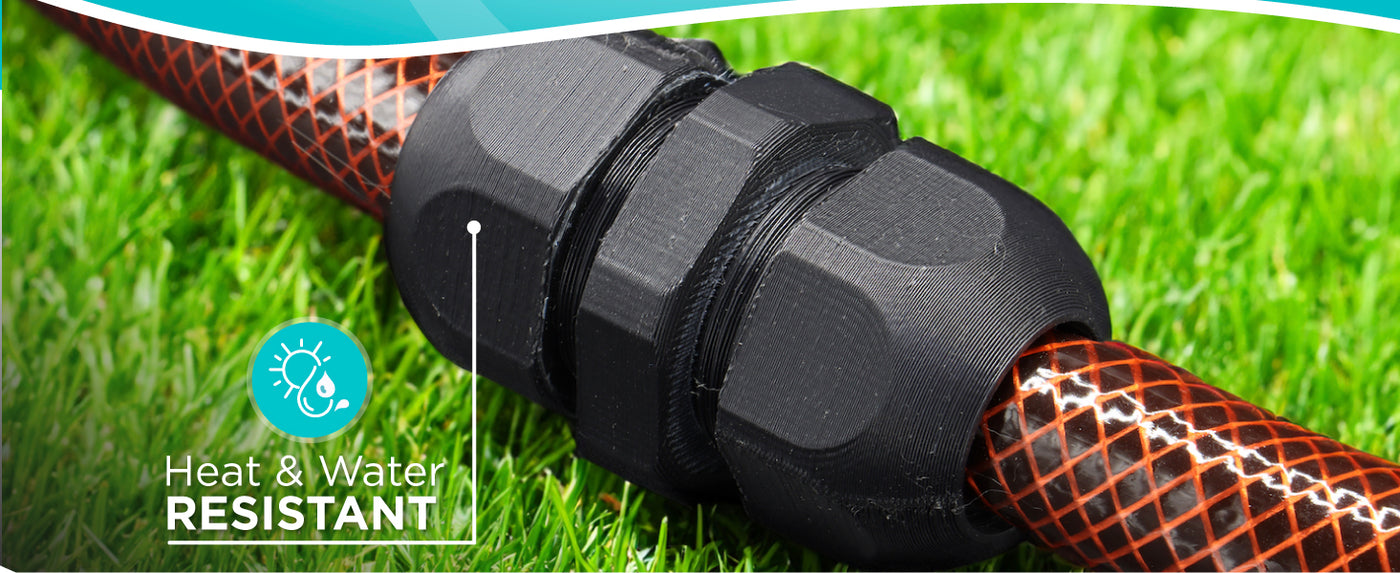
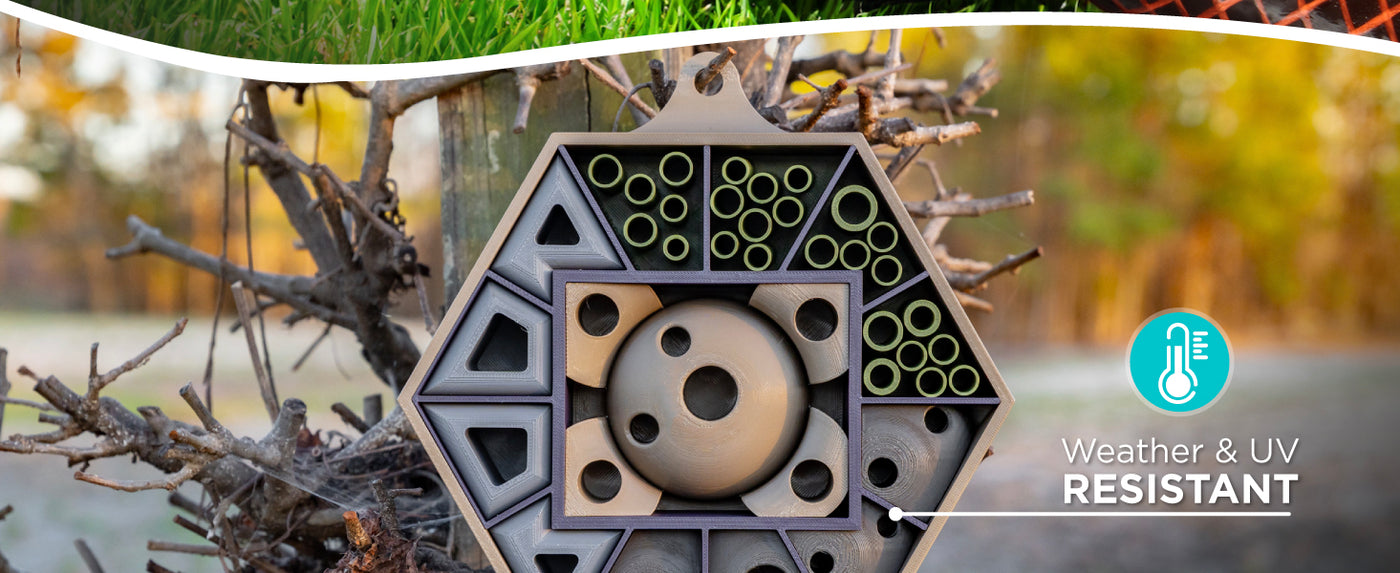
Superior Weather and UV Resistance
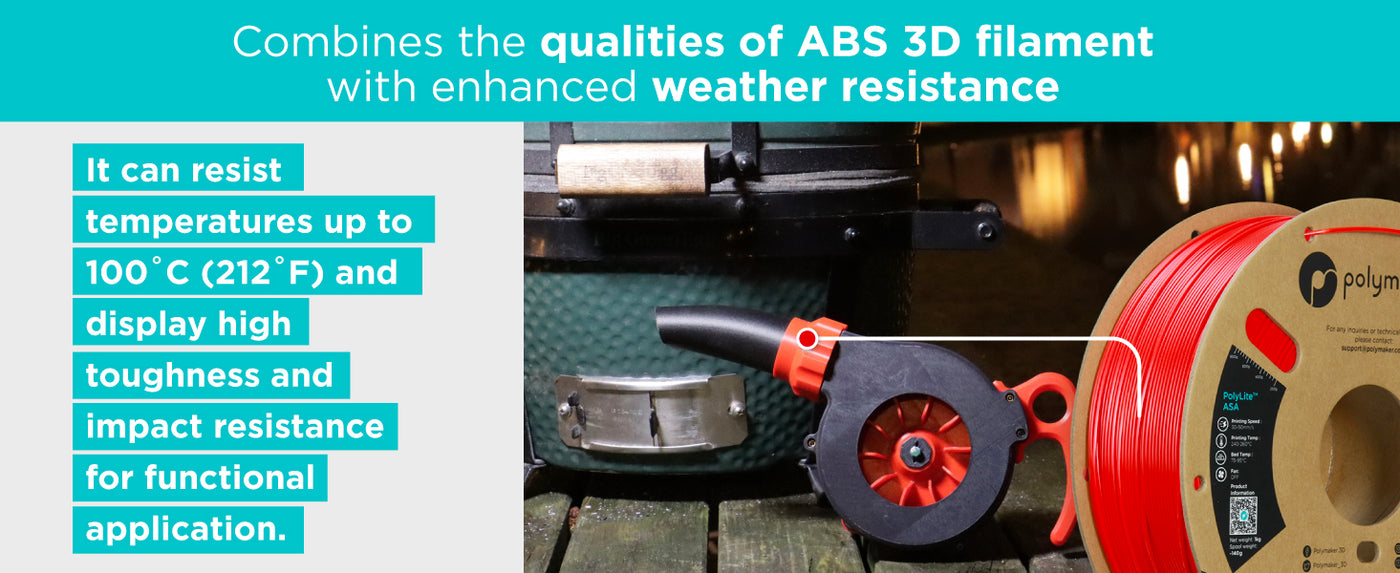
Polymaker™ ASA is engineered as an advanced alternative to ABS, offering improved weather resistance and excellent UV stability. This makes it the ideal filament for outdoor applications where exposure to sunlight and the elements is a concern.
Robust Mechanical Properties
With mechanical strength and durability comparable to ABS, Polymaker™ ASA delivers reliable performance for functional parts, enclosures, and prototypes that need to withstand real-world conditions.
Easy Transition from ABS
Polymaker™ ASA prints with settings very similar to ABS, making it easy to switch for users familiar with ABS printing. Simply use an enclosed 3D printer to ensure optimal temperature control and minimize warping.
Perfect for Outdoor and Functional Parts
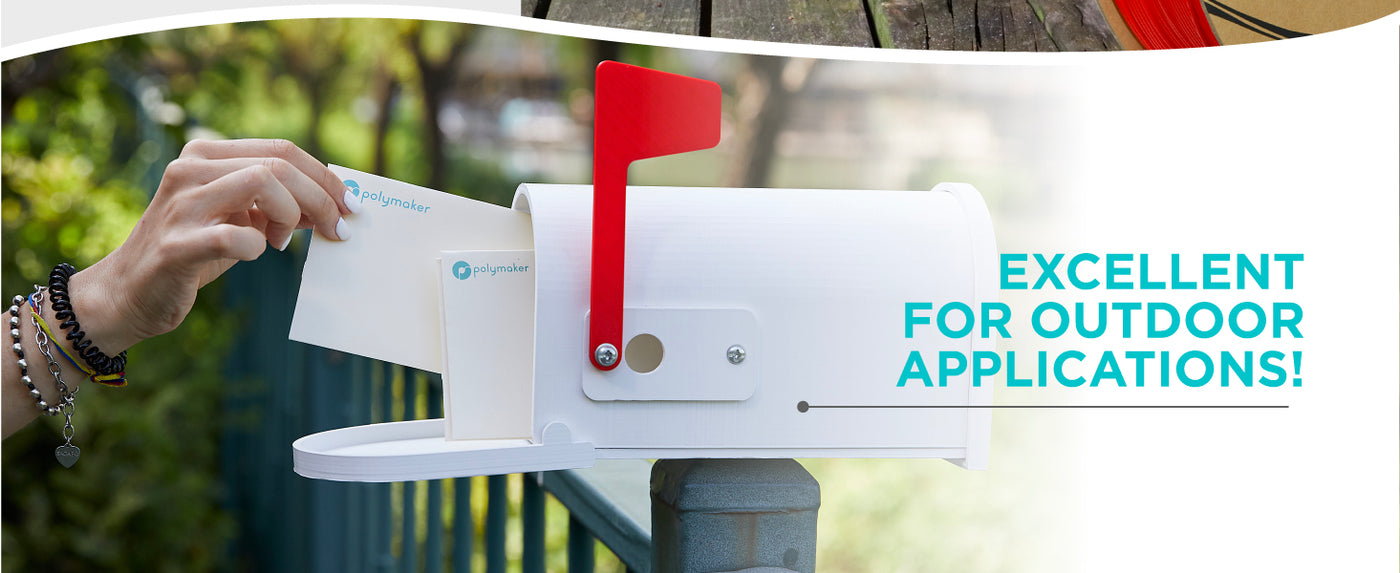
Choose Polymaker™ ASA for any project that demands UV resistance, weather durability, and strong mechanical properties—perfect for outdoor use and long-lasting results.
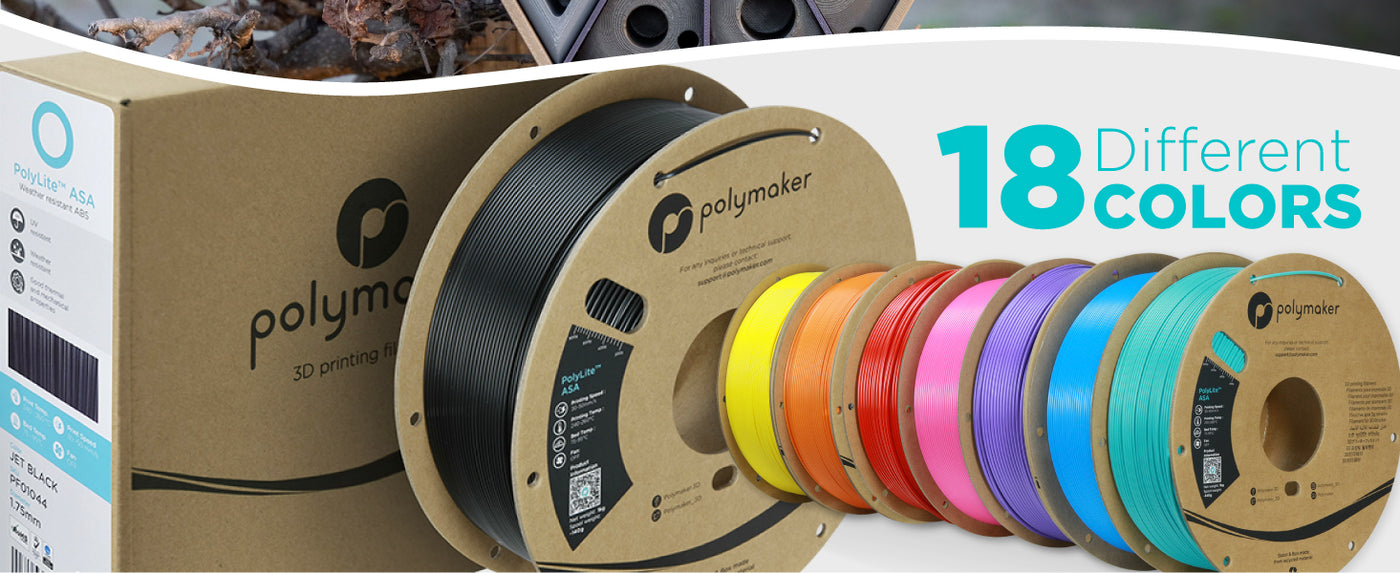
Note: PolyLite ASA is now Polymaker ASA. You may still receive the old packaging as we transition.
Printing Requirements
LayerHub is now live. A community-built home for filament presets — open to every filament brand, every printer. Every preset comes with a real print photo to prove it.
Print Settings
Print Settings

Frequently Asked Questions
Got questions? We've got answers. From choosing the right material to caring for your spools, here's everything you need to know in one spot.
What is the difference between ASA and ABS?
Do you have test results for UV resistance with ASA?
Can Polymaker™ ASA be post-processed with Acetone?
Will the spools work in an AMS?
Is this material food safe?
Do you sell refills?
Reviews
Customers praised this ASA filament for exceptional print quality, UV resistance, and strength. "Prints wonderfully" with minimal odor and warping when properly configured. Heat and UV resistant for outdoor use. Some noted black ASA requires careful warping prevention and enclosure heating. Strong layer adhesion, works well at 240-270°C with heated beds.
Looks great, and parts sitting out in the SoCal sun are still in perfect condition. You want heat and UV resistance? This is it.
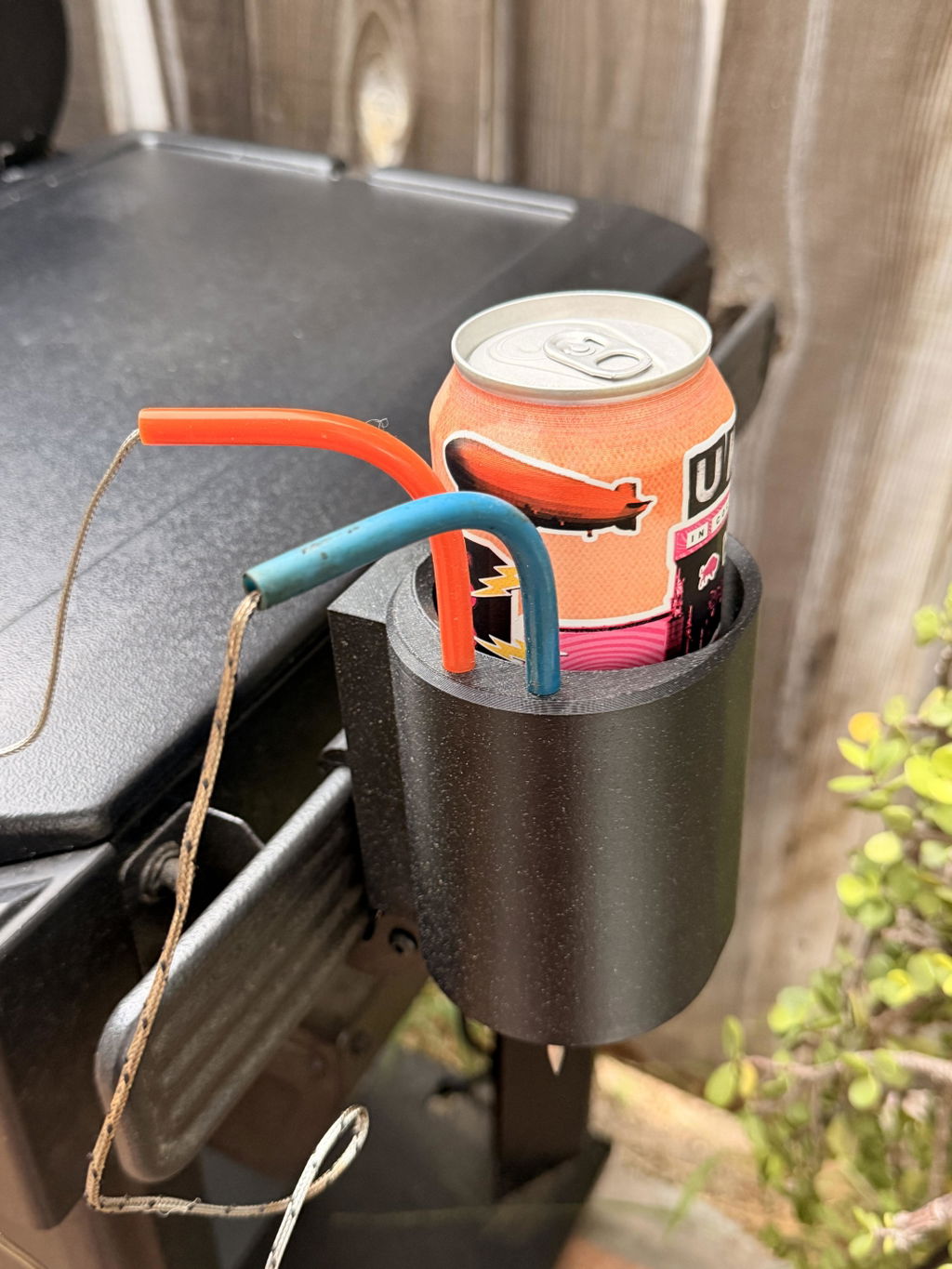
Works well, looks good
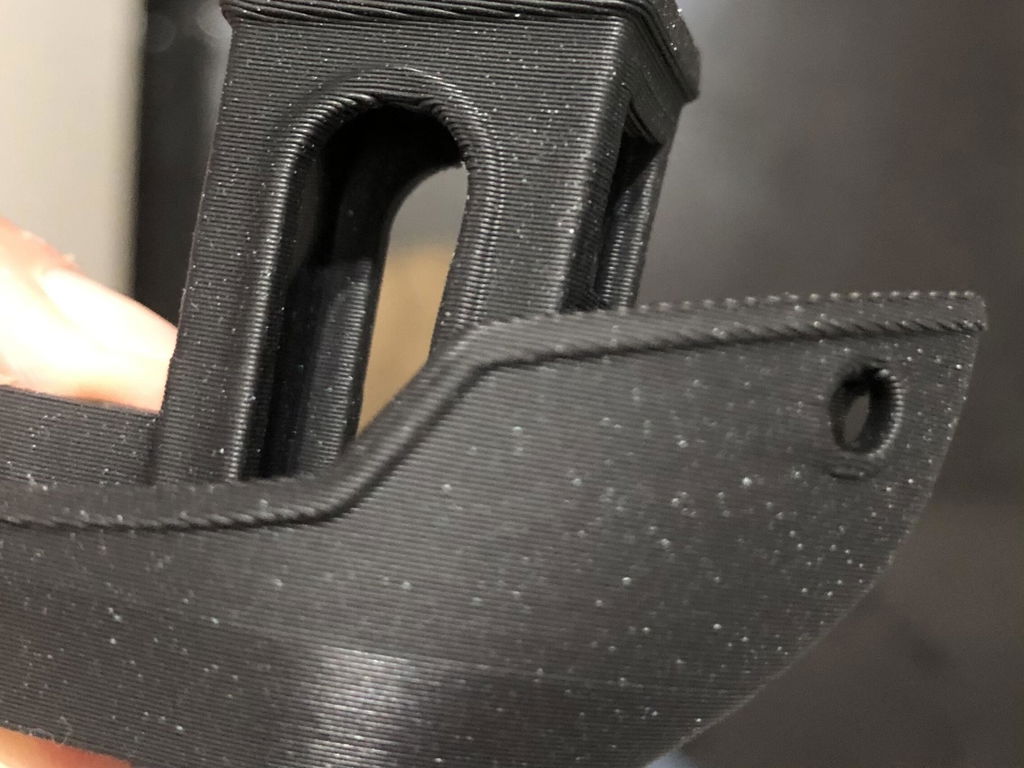
Great filament
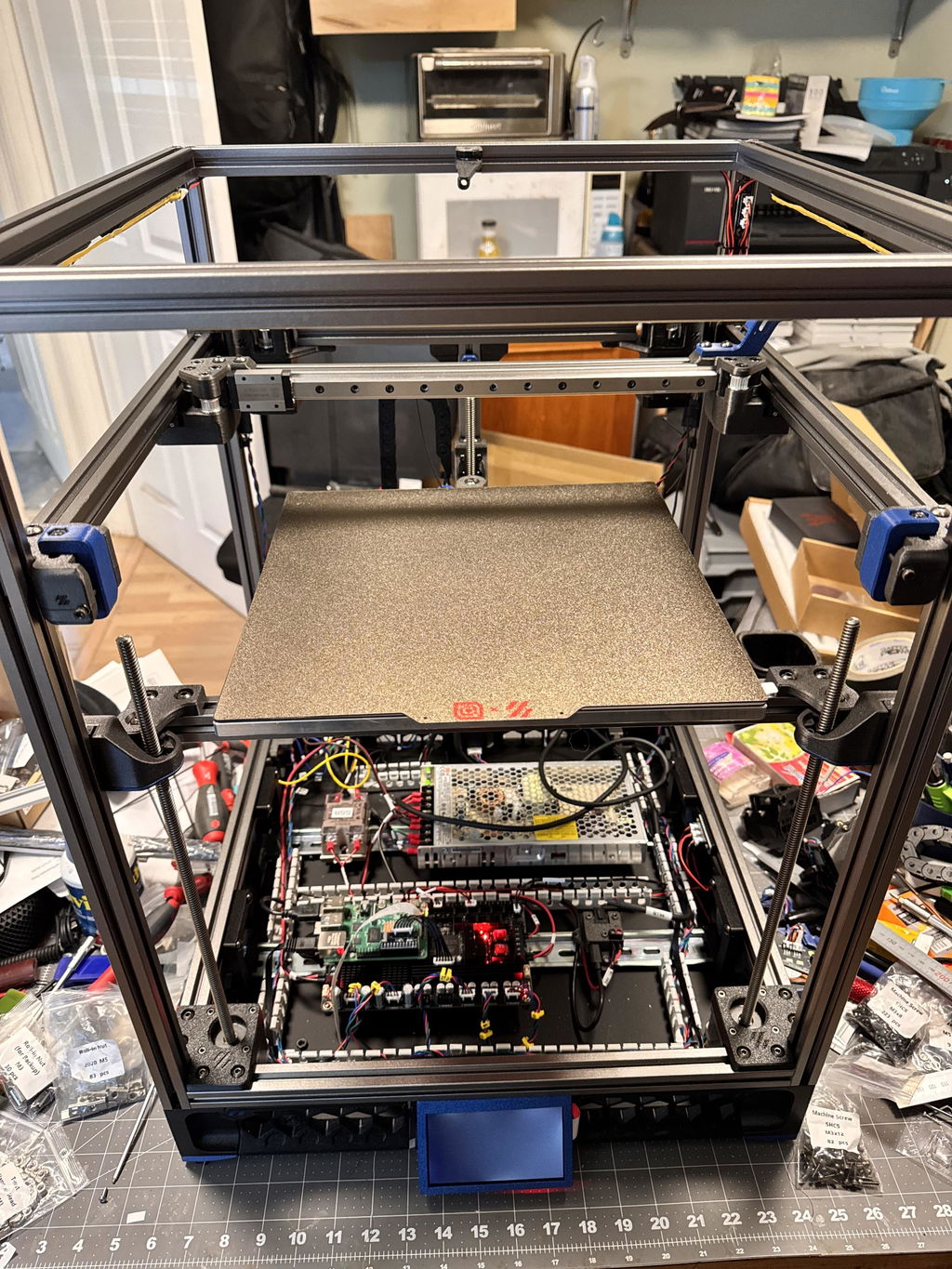
I wont come down from 5 stars as I pretty well expected the galaxy glitter to only go so far with black. It still looks pretty good overall, but not as magical when you just got finished printing Pop Pink! The black ASA tends to warp more than other colors, but given what I have read, this is just a reality with most ASA and ABS. If your bed is good and level and you have some magigoo around, wont be an issue. Polymaker seems to be stronger than some of the other ASA brands I have printed, and I will likely stick with them in the future. Only printed 2 rolls of the black so far but it has been consistent. Made in the USA too for what its worth.
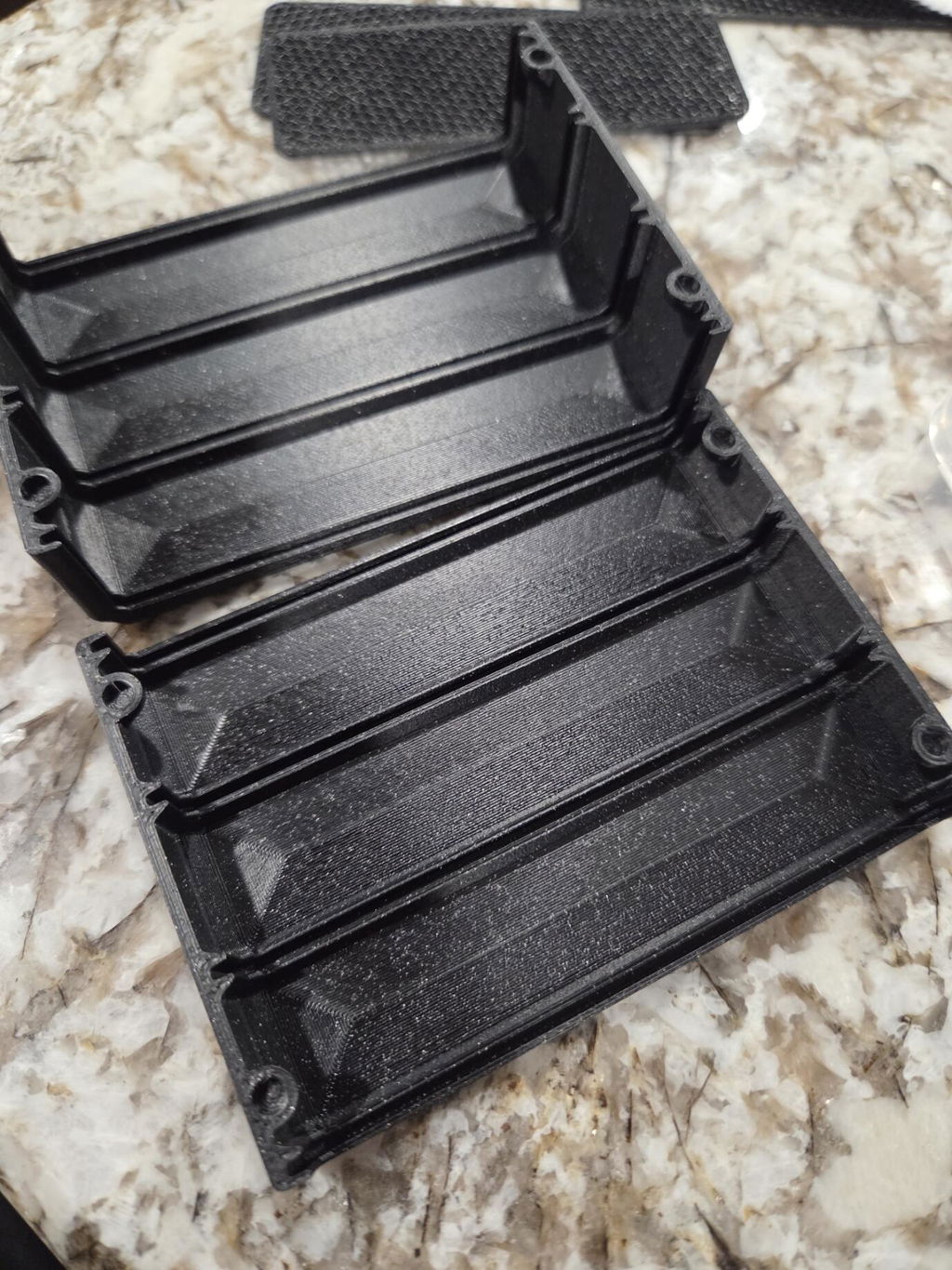
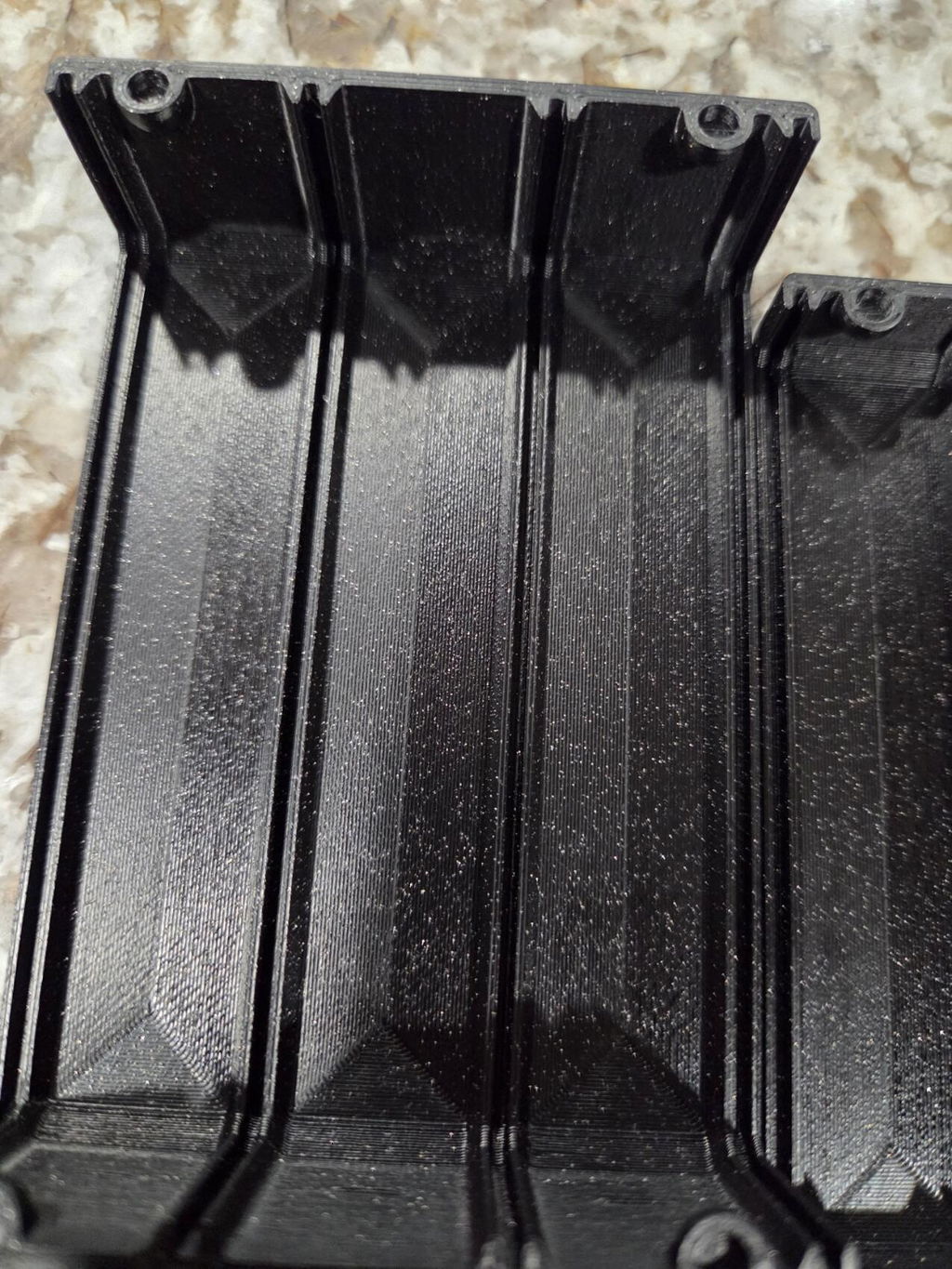
A vibrant red filament which I used for my nonfunction voron trident printed parts.
Great
Prints wonderfuly, even better after tuning. Subtle but nice sparkle.
No problems outside of the standard needs when working with ASA (magigoo, heated bed, etc.). Produced a good product on the printer.
High quality and no issues.
Has quickly become the only brand filament I buy. Always a great product
Slightly skeptical at first but now a believer. Hot and Slow but absolutely beautiful. No strange odor at all. Smooth and strong. Not going back to ABS when ASA is the new future. Plus added benefits of UV protection etc;. I am so impressed I am going to use ASA in place of PLA, significantly better at about the same price point. This brand rocks also.
Good color and print quality, well behaved plasticActs just like the same plastic in black, no complaints at allextra bonus for the cardboard spool making the packaging even more recyclable!!
Black ASA- its a touch light in color, but it matches the hex value they give. It prints great, I havent even had to dry a roll out of the box yet. I carefully rip the cardboard sides off and slip the roll onto my bambulab filament reels. works great.
All polymaker products are awesome, this ASA is the same.Makes beautiful parts.
Printed some fuse mounts for our 1 ton pickup. It's strong, prints easy, and appears to be durable.
I've tried ASA from other manufacturers, and Polymaker is my favorite so far. I've tried some nasty ones, too.
Dry your new filament! Once it's dry, it's the best.
my go to brand for ASA filament
Polymaker ASA is great! As with all ASA, you need to be ready to prevent warping. I usually just blast my heatbed and aux fan at 100% for ~45 minutes in an enclosed environment before starting the print. That get's my chamber up to ~45c and don't have warping issues after that.
I haven't tried every brand of ASA filament but I've tried a few and Polymaker is the best I've used.
Polymaker is always good, and their ASA is no exception. This is my goto for ASA, and I've always been happy with the strength and layer adhesion. Good selection of colors as well.
The red filament was packaged well and printed well but it's color is an orangish-red and has a flat finish. If you don't mind the color it's a good filament.My printer liked to print it at 235-240, the bottom end of the recommended range on the roll but my new Sprite Pro DD seems to run a little hotter than the stock Boden tube hotend on my Ender 3V2. Bed temp 100. I used an enclosure and only got layer separation where it was printing when I opened it up to install a light. I had some lifting of the prints early which I blame on the inside of the enclosure still being cool at the time. I am waiting for a PEI magnetic bet to be delivered which will hopefully fix my adhesion problems.Update: The PEI bed has solved my adhesion issues. I am now printing at 255-260 to get better layer adhesion and 95-100 bed for bed adhesion. At this temp the finished is slightly glossy but definitely not shiny like PLA. By letting the enclosure get heated by the printer before starting a print and disturbing it as little as possible layer lifts have been eliminated.
Love this filament
I print a lot of ABS parts and generally go to ASA when I print larger parts and/or things that will go outdoors (for UV protection). I use a heated chamber at 60C for both. I really prefer ASA as it seems to be less prone to warping, smells less gnarly, great bed adhesion, etc... however, the price is usually too high to justify it over ABS. At least until I found Polymaker's version which is only marginally more expensive, so I'm mostly just printing everything in ASA now. I've found no major differences between this and the more pricey stuff (Form Futura, 3DXtech) in terms of printability, finishing, strength (note that I've not quantified strength, so take it with a grain of salt). Anyhow, thumbs up to this stuff!
I waited a long time to try printing ASA because I'd heard so many stories about ABS/ASA being difficult to work with, but my results so far have been fantastic. So far, I've printed with the blue and the dark grey, and I have not run into any problems with warping, layer separation, etc. You will want to take the fumes into account, and you'll want some kind of enclosure to avoid drafts, but moving my printer to the garage and popping a cheap photography tent around it has been more than sufficient.I could wish that it were less expensive, and that it were available in a wider variety of colors, but I've been extremely pleased with this filament.
This filament looks awesome
I used this filament along with two other colors to make garden signs.What I learned is this filament adheres well to glass (using bed weld) and PEI sheets. The bed must be really level and clean. Even with an ABL, I check level each time.It prints clean and at least in what I have done, there is minimal stringing.Read the temp guidelines on the spool and use them.Overall, in my usage, prints better that PETG.
Something that wasn't around until recently. Purple ASA. Prints every bit as good as you'd expect out of ASA except it's in PURPLE. Needed the color for a project. Can't tell you long-term colorfastness, but since it's Polymaker, the odds are good that it's got all the features of ASA that the knowing have come to expect out of the material but be good for outdoors use with the color holding well.So far, this one's a five out of five stars. Better than ABS and the material itself, esp. from this vendor, is a go-to for me.
Ender3 Pro inside a large cardboard box with a smoke alarm inside and a fire-extinguisher nearby (this is a stupidly dangerous setup, folks). Spider v2.0 hot end and a 0.4mm nozzle, printed directly on 1/4" plate glass prepped with Rave brand hairspray, 240C hot end temp, 95C bed temp.This prints very nicely. It's got a nice, creamy look with just the smallest hint of translucence. Definitely one of my favorite filaments. It's got nice mechanical properties once printed - a little bit of spring, a little bit of give. Good resistance to heat.
