


5–10 days
Payments
Description
Description
Fiberon™ PPS-CF10: Professional-Grade Carbon Fiber Reinforced PPS Filament
Engineered for Extreme Environments
Fiberon™ PPS-CF10 is a high-performance 3D printing filament made from polyphenylene sulfide (PPS) reinforced with 10% carbon fiber. This advanced material is specifically designed for professionals who require exceptional mechanical strength, dimensional stability, and durability in the most demanding applications.
Outstanding Performance Features
- Minimal Warping: Prints with excellent dimensional accuracy and minimal warping, even without a heated chamber.
- High Heat Resistance: Maintains structural integrity at elevated temperatures, making it ideal for automotive, aerospace, and industrial applications.
- Exceptional Chemical Resistance: Withstands exposure to harsh chemicals and solvents, ensuring long-term performance in chemically aggressive environments.
- V0 Flame Retardancy: Rated V0 for flame resistance, providing enhanced safety for electrical and high-temperature components.
- Moisture Insensitivity: Performs reliably without the need for extensive pre-drying, simplifying storage and handling.
Easy Printing for Advanced Users
Despite its industrial-grade properties, Fiberon™ PPS-CF10 is formulated for improved printability. It does not require a heated chamber, making it accessible to users with high-performance desktop 3D printers equipped with hardened nozzles.
Recommended Applications
Ideal for functional prototypes, end-use parts, automotive and aerospace components, electrical housings, and any project where mechanical strength, heat resistance, and chemical durability are critical.
Choose Fiberon™ PPS-CF10 when your projects demand professional-grade performance, outstanding reliability, and the ability to withstand extreme conditions.
Printing Requirements
LayerHub is now live. A community-built home for filament presets — open to every filament brand, every printer. Every preset comes with a real print photo to prove it.
Print Settings
Print Settings
Fiberon™ PPS-CF10
Key Features
- Minimal Warping
- High Heat Resistance
- Chemical Resistant
- UL94 V-0 Flame Retardancy
- Ready to Print -
Fiberon™ PPS-CF10 - Black / 0.5kg is backordered and will ship as soon as it is back in stock.


Technical Specifications
Everything you need before you hit print
Printing Tips
- Use a high-temperature hotend capable of 310-350°C and a wear-resistant nozzle, such as hardened steel or ruby; brass-nozzle abrasion is frequent.
- Use a short, direct filament path with minimal bends and avoid AMS routing with sharp bends or tight turns because the filament is brittle.
- Store and print under dry conditions (relative humidity below 20%); dry at 100°C for 10 hours before use.
- Keep the cooling fan OFF and the chamber at room temperature.
- Reduce print speed within the recommended range of up to 300 mm/s for better print quality.
- Anneal at 125°C for 16 hours for maximum mechanical performance and temperature resistance.
| Property | X-Y | Z | Value | Method |
|---|---|---|---|---|
| Density | — | — | 1.29 g/cm³ Important | ISO 1183 |
| Tensile strength | 59.4 MPa Important | 32 MPa Important | — | ISO 527 |
| Elongation at break | 1.4 % Important | 1.6 % Important | — | ISO 527 |
| Bending strength | 94.3 MPa Important | 30 MPa Important | — | ISO 178 |
| Bending modulus | 4646.9 GPa Important | — | — | ISO 178 |
| Young's modulus | 5446.7 GPa Important | 2790 GPa Important | — | ISO 527 |
| Charpy, unnotched | — | 4.1 KJ/m² Important | — | ISO 179 |
| Charpy, notched | 5.3 KJ/m² Important | — | — | ISO 179 |
| Melting temperature | — | — | 279.7 °C Important | ISO 11357 |
| Glass transition temperature (Tg) | — | — | 97.7 °C Important | ISO 11357 |
| Vicat softening temperature | — | — | 267.5 °C Important | ISO 306 |
Tested on 100% infill specimens. X-Y = across the layers, Z = between the layers (layer adhesion).
Frequently Asked Questions
Got questions? We've got answers. From choosing the right material to caring for your spools, here's everything you need to know in one spot.
Do I need a hotend that can reach above 300˚C?
Is PPS-CF10 supposed to be brittle on the spool?
What is annealing?
Will the spools work in an AMS?
Can you offer 1KG Fiberon™ Spool Options?
Reviews
High-performance filament praised for exceptional strength and ease of printing. Customers said it's "almost comparable with aluminum" with "extremely strong structures." Easy to print with proper settings, excellent bed adhesion, and dimensional stability. Chemical and heat resistant up to 240°C. Main drawback is high price and long drying time at high temperature.
Extrem einfach mit einem H2D zu drucken, wenn man sich ein bisschen damit beschäftigt. Die Materialeigenschaften sind brutal, fast vergleichbar mit Aluminium.
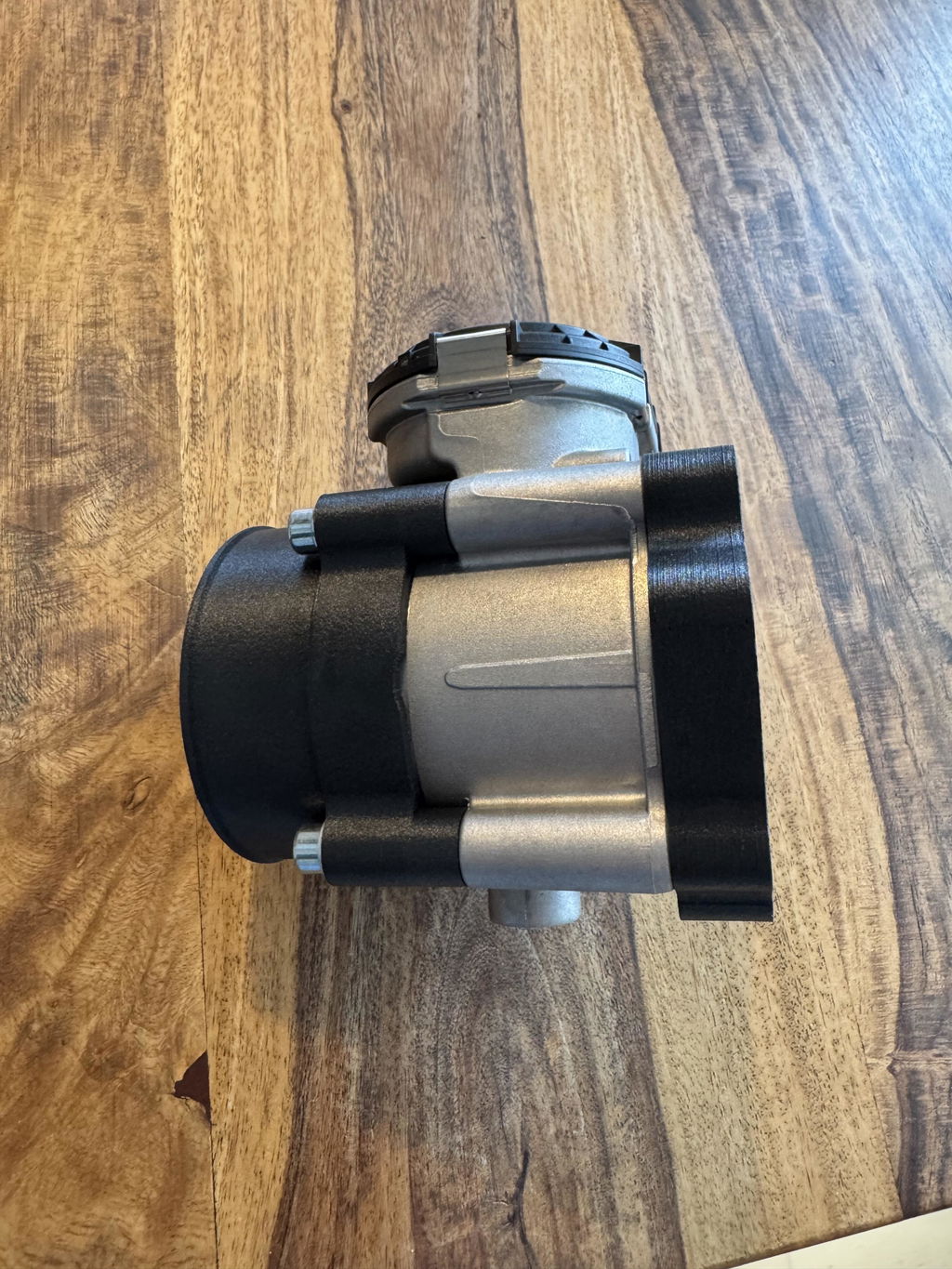
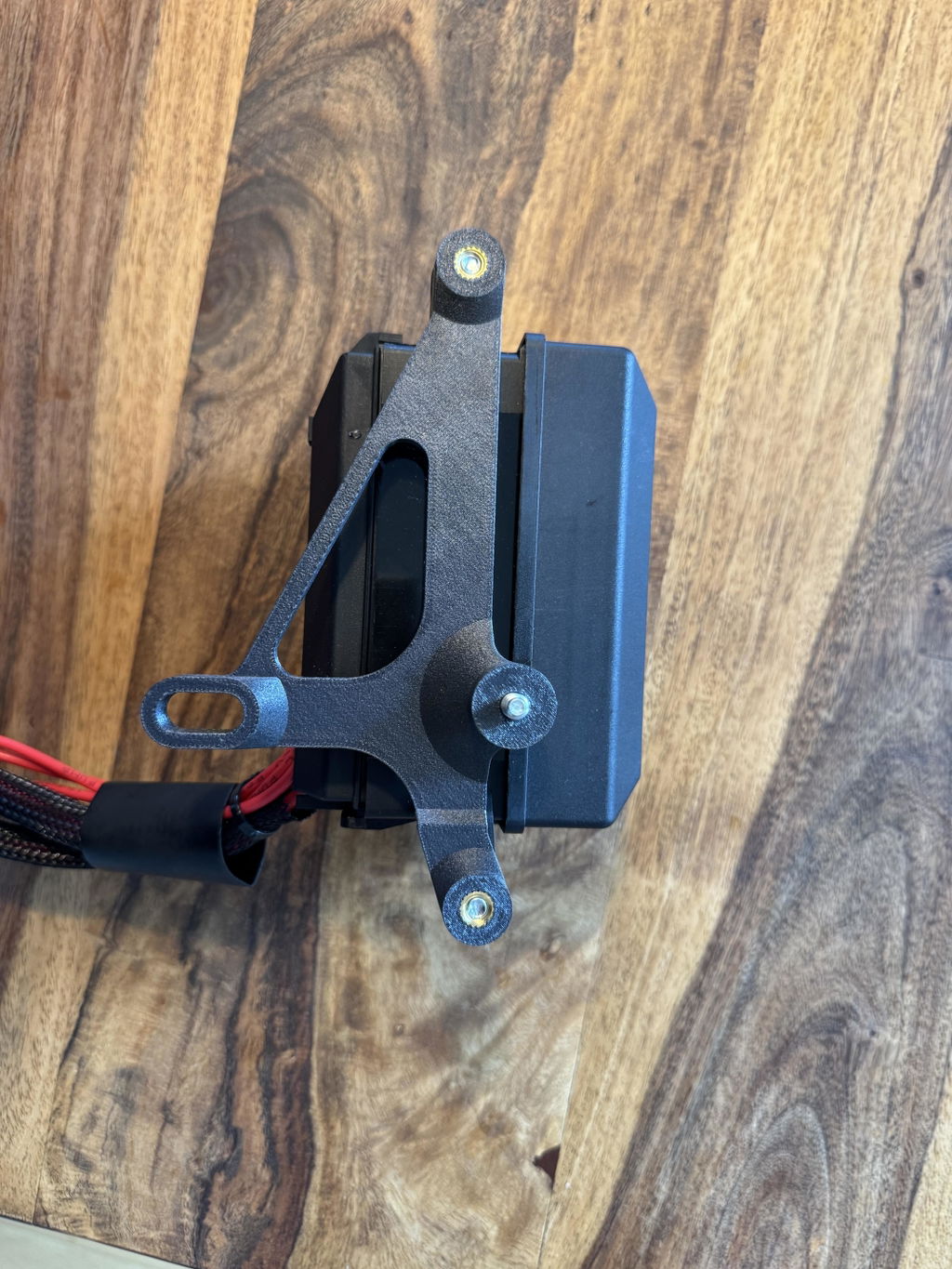
Love this quality filament. Polymaker was my first choice when trying PPS.
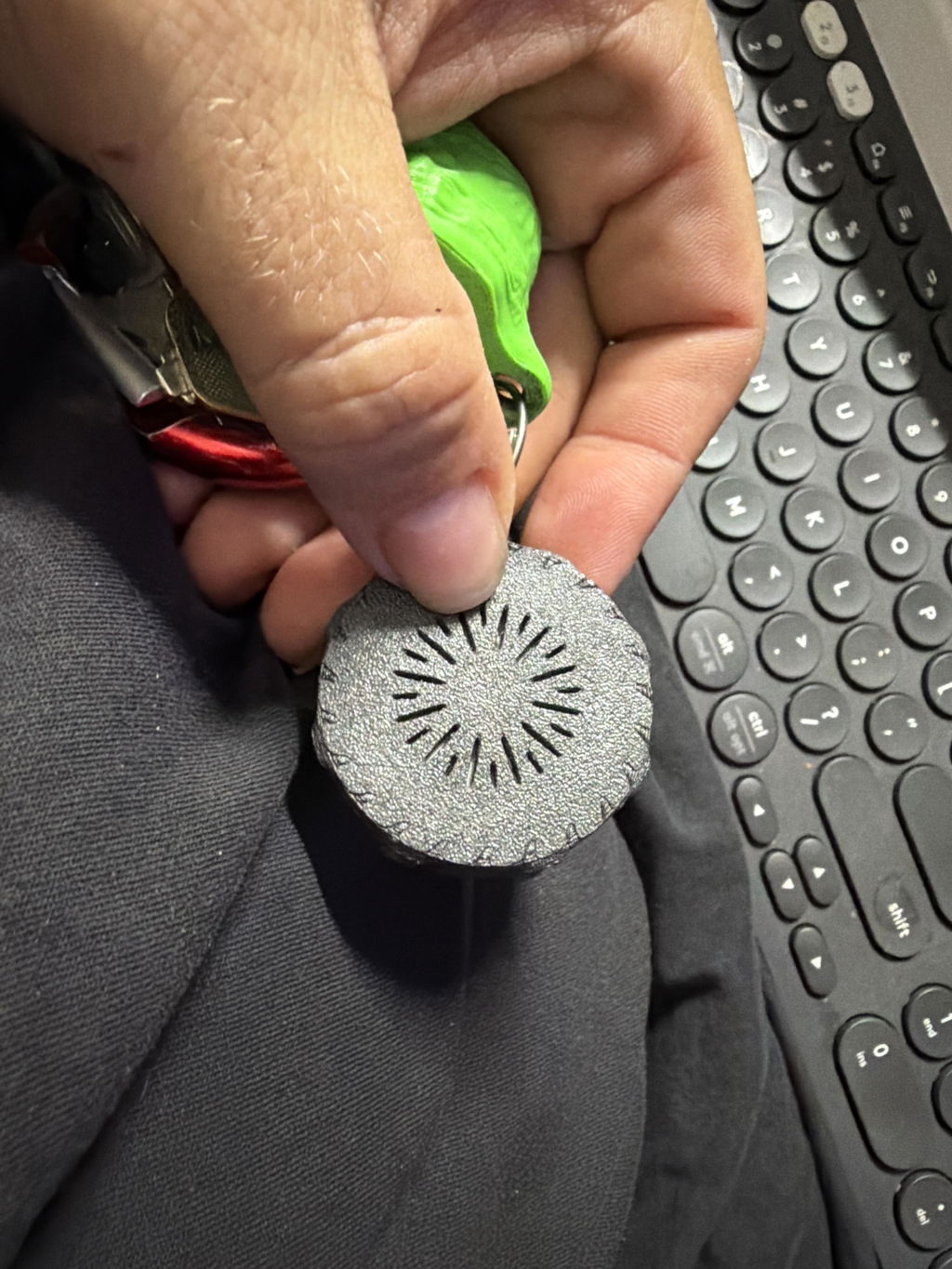
Excellent material. Easy to print on and extremely resistant to chemical attack and high-temperature applications. The pieces in the image were printed at www.arteico.com in Colombia.
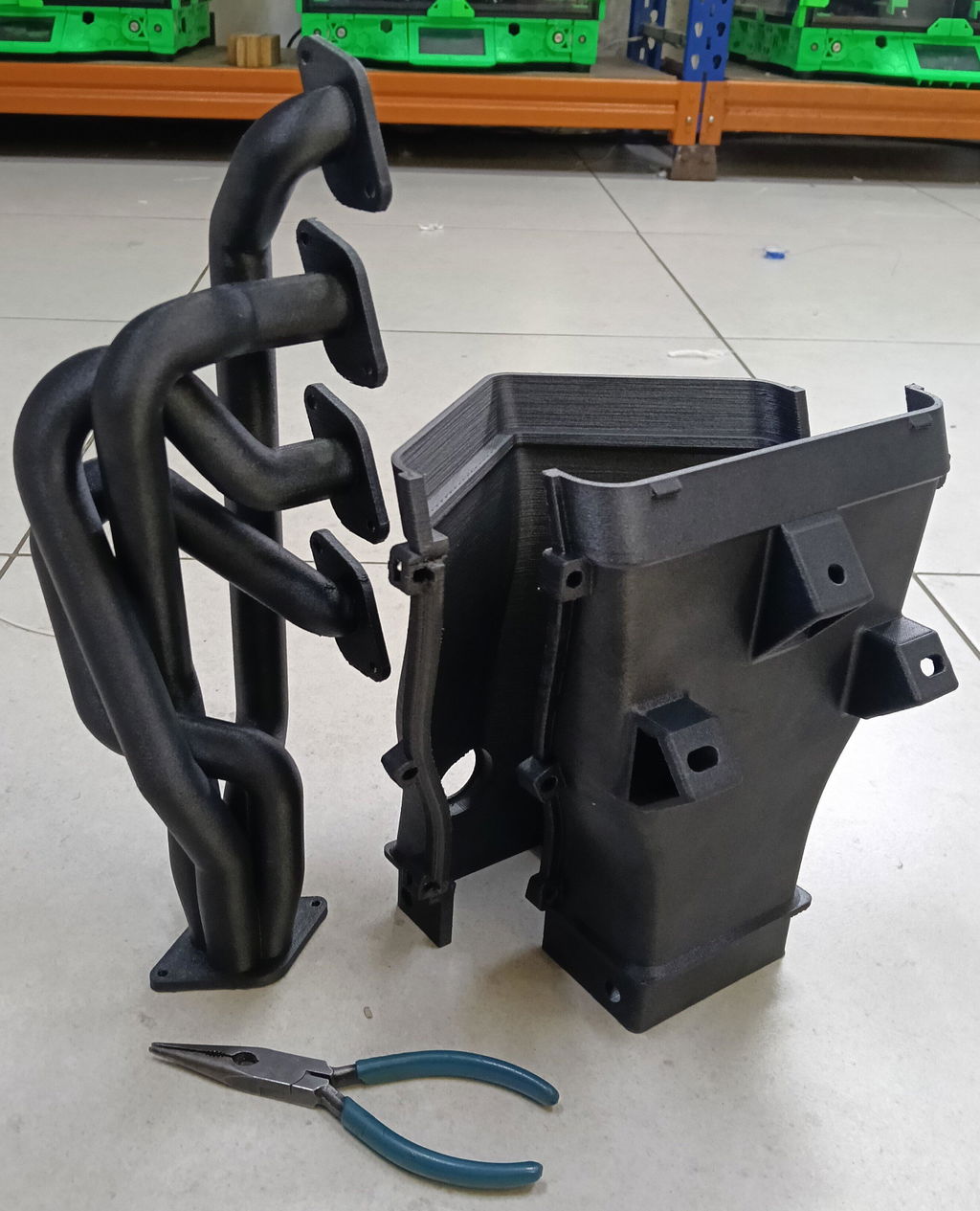
Great product.
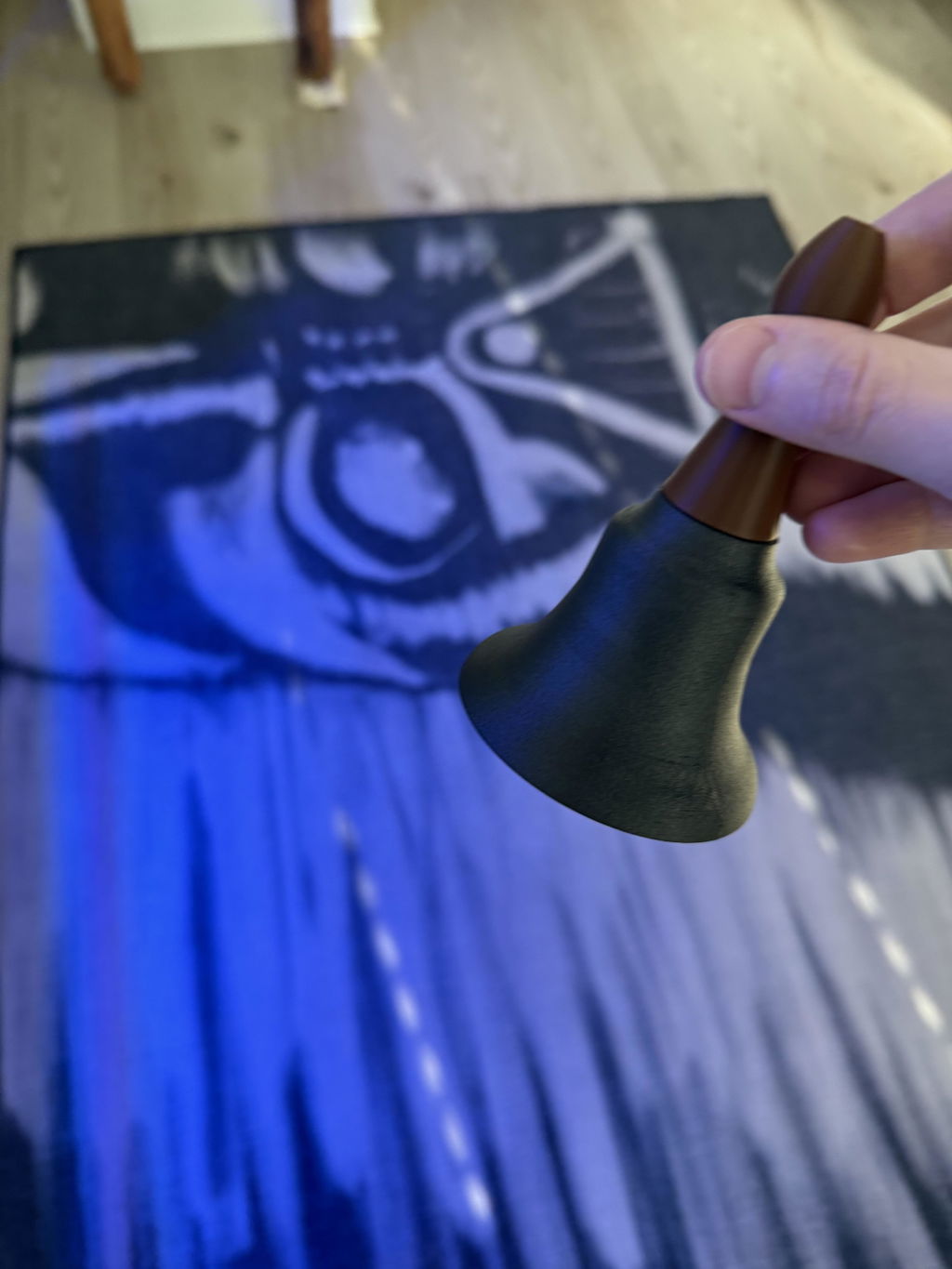
Bei der Bestellung, dachte ich, uff. Hoher Preis mit 160€ für 1 KG die ich bestellt hatte. Ich hatte auch ein wenigAngst dass es mein CC2 nicht drucken kann. Ich wurde eines besseren Belehrt. Der Druck haftet super, er ist wirklich sehr Stabil und hört sich an wie Metall. Ich verwende ihn in einem Ofen bei max. 240 Grad, absolut kein Problem. Nur die Lange Trocknungszeit bei hoher Temperatur ist etwas Strom fressend.
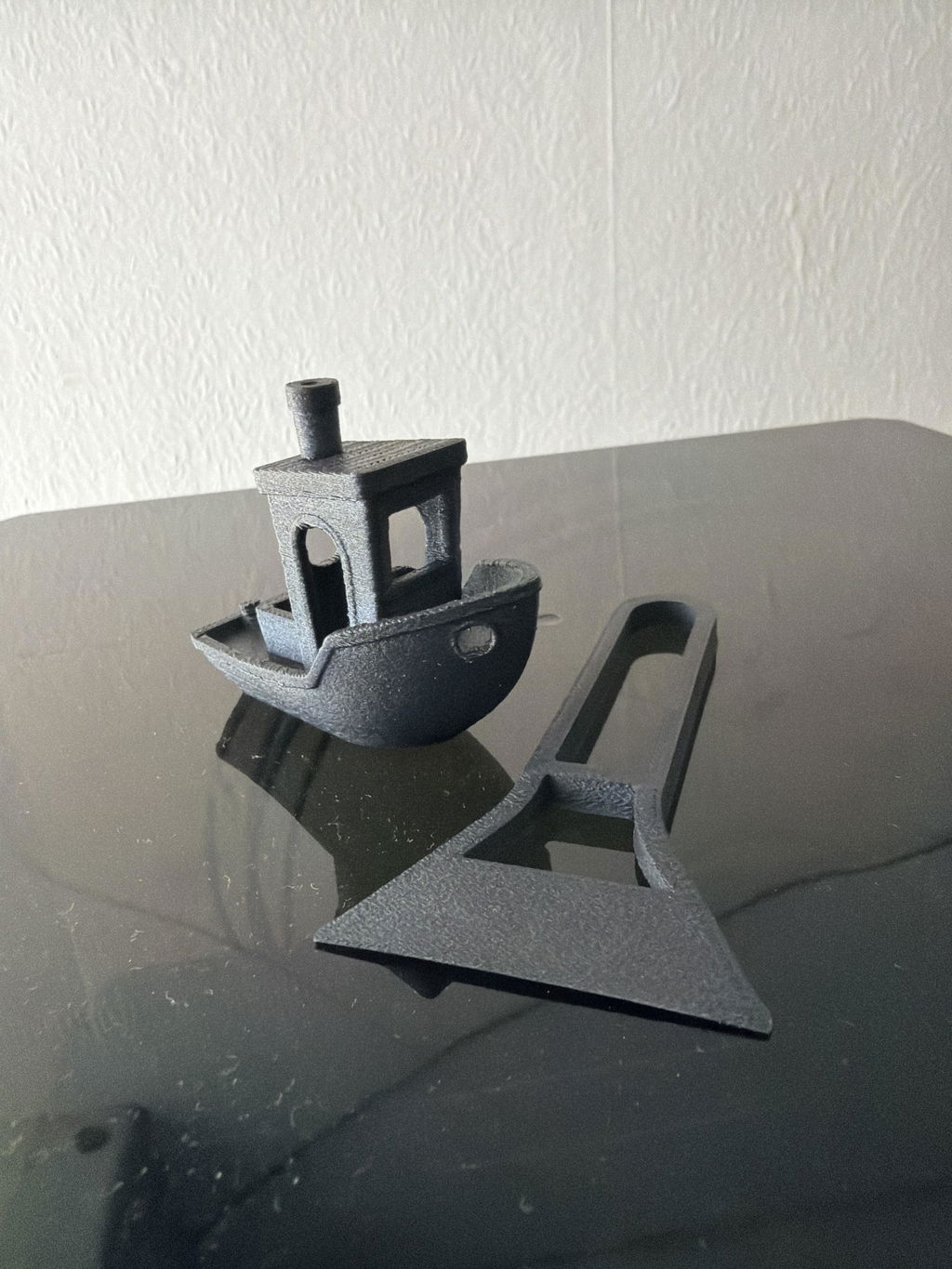
I like it. I needed to slow the printing speed compared to nylon, but it worked well.
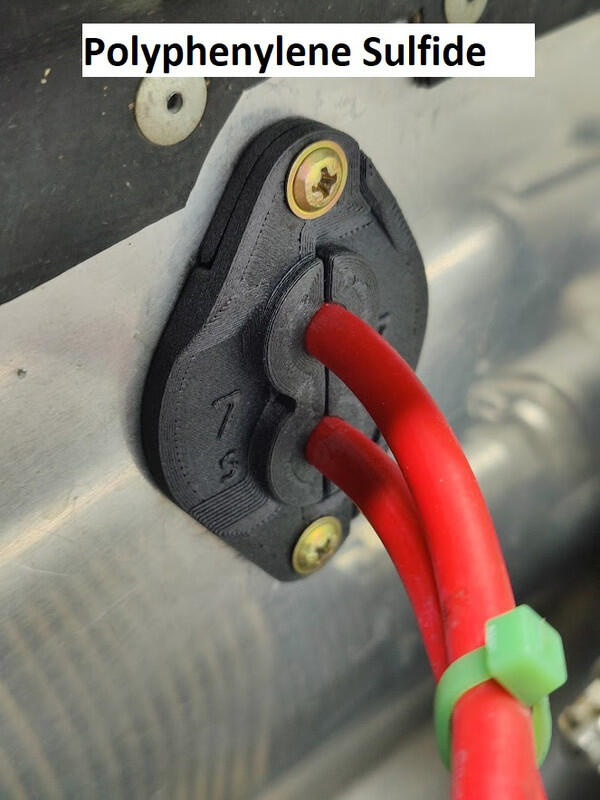
I was a little nervous trying this filament.High performance filaments like abs and nylon are very hard to print,in my opinion, too many variables (moisture,chamber temperature, fan speeds....).I tried printing nylon,and couldn't get a decent print out of it.
Fiberon pps-cf10,however, was surprisingly easy,and the results are outstanding. Just had to set nozzle and bed temperature.The only waste i had was for the supports. Expensive yes,but totally worth it
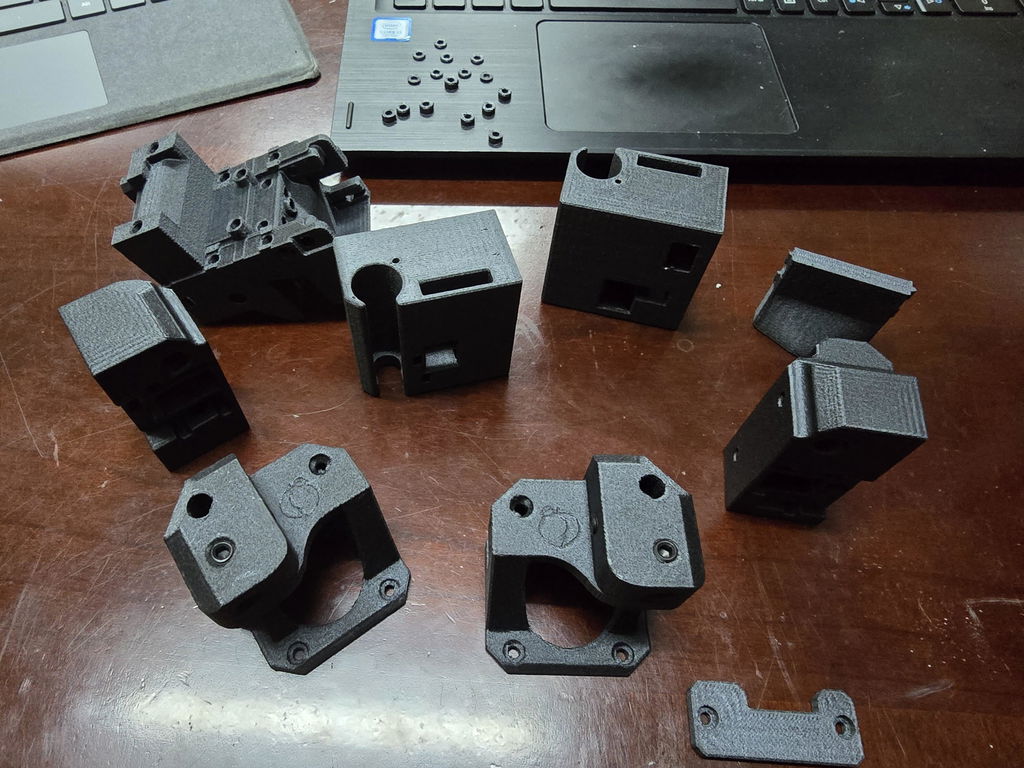
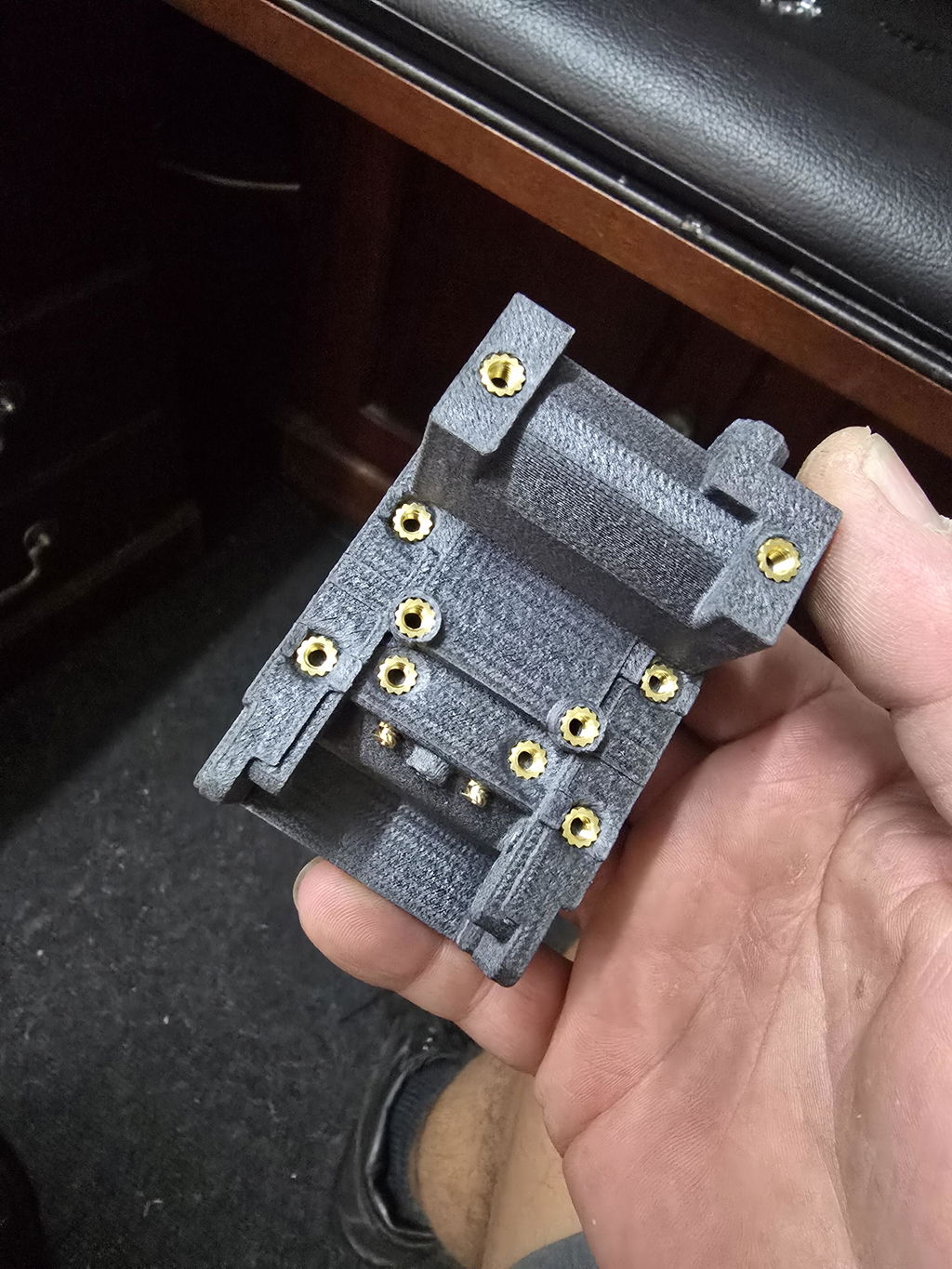
Simply amazing. I was scared to print such expensive material only to have it fail, but following simple, easy directions and settings proves it to make flawless prints and extremely strong structures. Excellent product!
Very stiff and powerful material. One of the best for FFF desktop printers.
Incredible material - prints extremely easily, bed adhesion is fantastic, and it is dimensionally stable and gives me an extremely strong part every single time.
Performs very well.
Capable of printing at 305 if you slow down which alows most off the shelf hot ends to print it. Absolutely remember to anneal. This stuff is impressive.
I am extremely impressed with this filament.The finish is awesome; it is a metal-like finish.Sticks to the bed easily. No warping.
Incredibly strong, and prints nearly flawlessly with just the manufacturer's profile.
What if I don't have a filament dryer that reaches 100°C, but I have one that goes up to a maximum of 70°C? Could I use it to dry the filament, and what would be the recommended duration?
The 100°C is a recommendation if you do not have good airflow and more for when using a convection oven. We always say you don't dry your hair by sticking in the oven - airflow is key! So if you have a good airflow dryer - 70°C should be fine.
what are the 3kg spool dimensions?
The 3kg cardboard spool dimensions are:
Inner hole diameter: 55 ± 1 mm
Spool diameter: 250 ± 1 mm
Spool width: 117.2 ± 2 mm
Spool weight: 425 ± 21.3 g
On PPS-CF10, could you send a SDS or list of materials? We're most concerned with silicones that could affect microelectronics processes.
All of our SDS documents can be found on our Wiki! https://wiki.polymaker.com/polymaker-products/more-about-our-products/documents/safety-data-sheets
