5–10 days
Payments
Description
Description
Polymaker™ PETG Filament – High-Speed, High-Strength, High-Quality Filament
✔️ New High Speed Formula
✔️ Stronger, Smoother, and More Reliable
✔️ Perfect for Prototypes & End-Use Parts
✔️ Easy to Print on Any Setup
Polymaker™ PETG is engineered to print faster without losing strength or quality. Its high-flow formulation enables clean, accurate extrusion at speeds up to 300 mm/s, or over 500 mm/s with high-flow nozzles, while maintaining excellent layer adhesion, durability, and surface finish.
Recommended printing temperature is 240-260 °C.
Bed temperature should be set between 60-70 °C.
This new formula is designed for dependable performance, delivering superior inter-layer bonding, low warping, and a clog-free experience even during long prints. The result is strong, dimensionally stable parts with a professional appearance right off the bed.
Ideal for a variety of applications, from gears, brackets, and fixtures to outdoor tools, sports accessories, and cosplay props. Polymaker PETG offers the right balance of toughness, flexibility, chemical resistance, and temperature tolerance (approximately 70 °C HDT), making it suitable for both indoor and outdoor functional uses. Polymaker PETG is less brittle and more impact-resistant than PLA.
Compatible with most FDM printers, Polymaker™ PETG prints smoothly without requiring an enclosure and works seamlessly with AMS and multi-material systems for reliable filament feeding and color swaps.
Warning: Polymaker PETG is very hygroscopic, wet PETG can lead to issues like stringing and poor surface quality. Keep your filament dry to prevent excessive stringing. Polymaker PETG can be stored in resealable vacuum barrier bags for moisture protection that are part of the packaging. For best results, use Polydryer filament dryer with the Polydryer filament storage box.
Note: Polylite PETG will be discontinued and replaced by the faster, stronger and easier to print successor, Polymaker PETG.
Electrostatic discharge (ESD) variations of PETG are available for specific applications. Learn more about Fiberon PETG-ESD here.
Looking for Polylite PETG TDS and SDS Links? You can find them below.
PolyLite PETG TDS
PolyLite PETG SDS
Printing Requirements
LayerHub is now live. A community-built home for filament presets — open to every filament brand, every printer. Every preset comes with a real print photo to prove it.
Print Settings
Print Settings
Polymaker™ PETG
Key Features
- High-Speed Printing
- Strong & Reliable
- Tough & Chemical Resistant
- Easy to Print
Polymaker™ PETG - Dark Grey / New Formula / 1kg is backordered and will ship as soon as it is back in stock.
You May Also Like
![PolyMax PETG 1.75mm 3D printer filament | Polymaker - Black]() $29.99Unit price /Unavailable
$29.99Unit price /Unavailable![PolyFlex TPU90 1.75mm 3D printer filament | Polymaker - Polymaker Teal]() $39.99Unit price /Unavailable
$39.99Unit price /Unavailable


See What The Community is Making
Technical Specifications
Everything you need before you hit print
Printing Tips
- Keep the filament sealed and dry when not in use. For filament that has not been left exposed for a long time, dry it at 60°C for 6 hours. If it has been exposed for an extended period, especially in hot and humid conditions, use a longer drying cycle as needed.
- For build plate adhesion: For best results, use a textured PEI build plate. When printing on smooth PEI or glass, apply a thin layer of glue stick as a release layer to prevent the print from bonding too strongly. If the first layer is not sticking, slightly increase the bed temperature and slow down the first-layer printing speed.
- If stringing occurs: Dry the filament first. If stringing remains, reduce the nozzle temperature within the recommended 240–260°C range, then fine-tune retraction and travel settings.
- If layer adhesion is weak: Reduce cooling within the recommended 20–60% range, slightly increase the nozzle temperature within the recommended range, and reduce printing speed if needed. If using an enclosed printer, closing the enclosure may also help improve layer adhesion.
| Property | X-Y | Z | Value | Method |
|---|---|---|---|---|
| Density | — | — | 1.3 g/cm³ Important | ISO 1183 |
| Tensile strength | 47.96 MPa Important | 45.71 MPa Important | — | ISO 527 |
| Elongation at break | 9.33 % Important | 3.54 % Important | — | ISO 527 |
| Bending strength | 80.08 MPa Important | 57.65 MPa Important | — | ISO 178 |
| Bending modulus | 2277.34 GPa Important | 1958.74 GPa Important | — | ISO 178 |
| Young's modulus | 2311.11 GPa Important | 2202.91 GPa Important | — | ISO 527 |
| Charpy, unnotched | 20.24 KJ/m² Important | 15.74 KJ/m² Important | — | ISO 179 |
| Charpy, notched | 4.95 KJ/m² Important | — | — | ISO 179 |
| Glass transition temperature (Tg) | — | — | 71.24 °C Important | ISO 11357 |
| Vicat softening temperature | — | — | 75 °C Important | ISO 306 |
| HDT (0.45 MPa) | — | — | 69 °C Important | ISO 75 |
| HDT (1.8 MPa) | — | — | 65 °C Important | ISO 75 |
Tested on 100% infill specimens. X-Y = across the layers, Z = between the layers (layer adhesion).
Frequently Asked Questions
Got questions? We've got answers. From choosing the right material to caring for your spools, here's everything you need to know in one spot.
How fast can Polymaker™ PETG print?
Do I need to use the cooling fan with Polymaker™ PETG?
Is this material AMS compatible?
Is this material food safe?
Can I use a textured PEI build plate with Polymaker™ PETG?
How does PETG compare to PLA or ABS?
Is Polymaker™ PETG hygroscopic?
Can PETG be used for outdoor applications?
Can I print without an enclosure?
Will the Galaxy glitters clog my nozzle?
Reviews
Customers praised this PETG filament for "excellent layer adhesion" and vibrant colors that "print smoothly." Many noted it's easy to print with minimal stringing. Some reported issues with lower temperature resistance vs older formula and occasional equipment problems. "Prints like butter" with consistent quality across color ranges.
Prints so well without having to mess with settings. I love using this for anything that needs a bit more strength or will be outside.
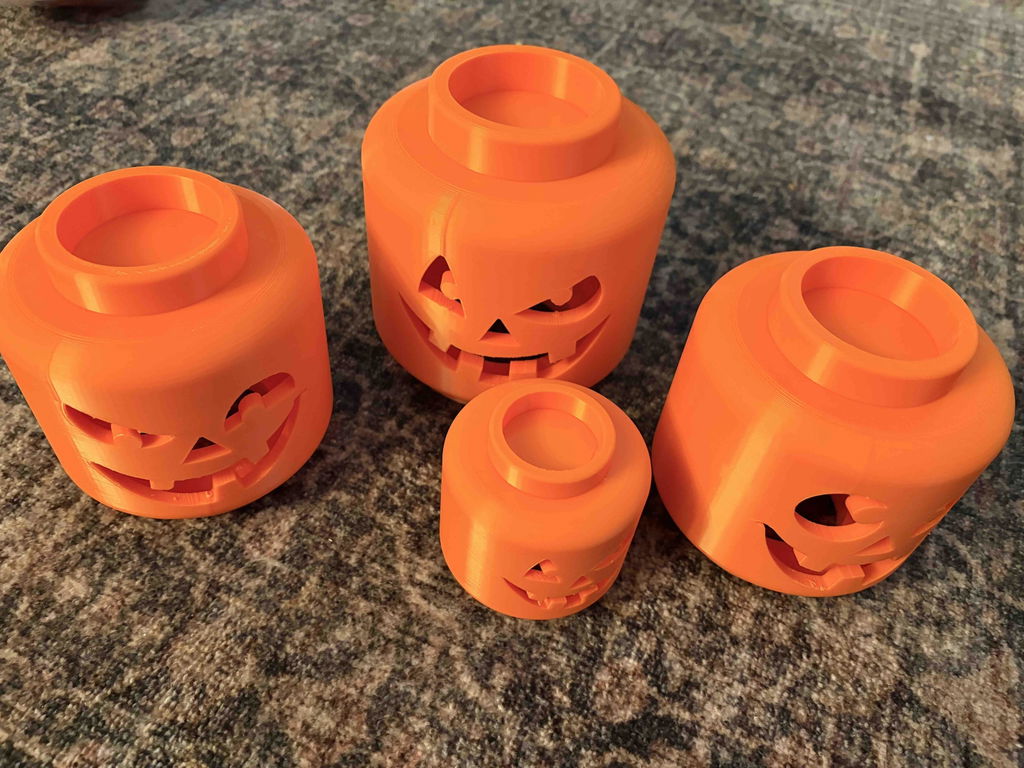
Used this for my Spider-Man TMT and it came out great. Really good PETG as is all Polymaker PETG.
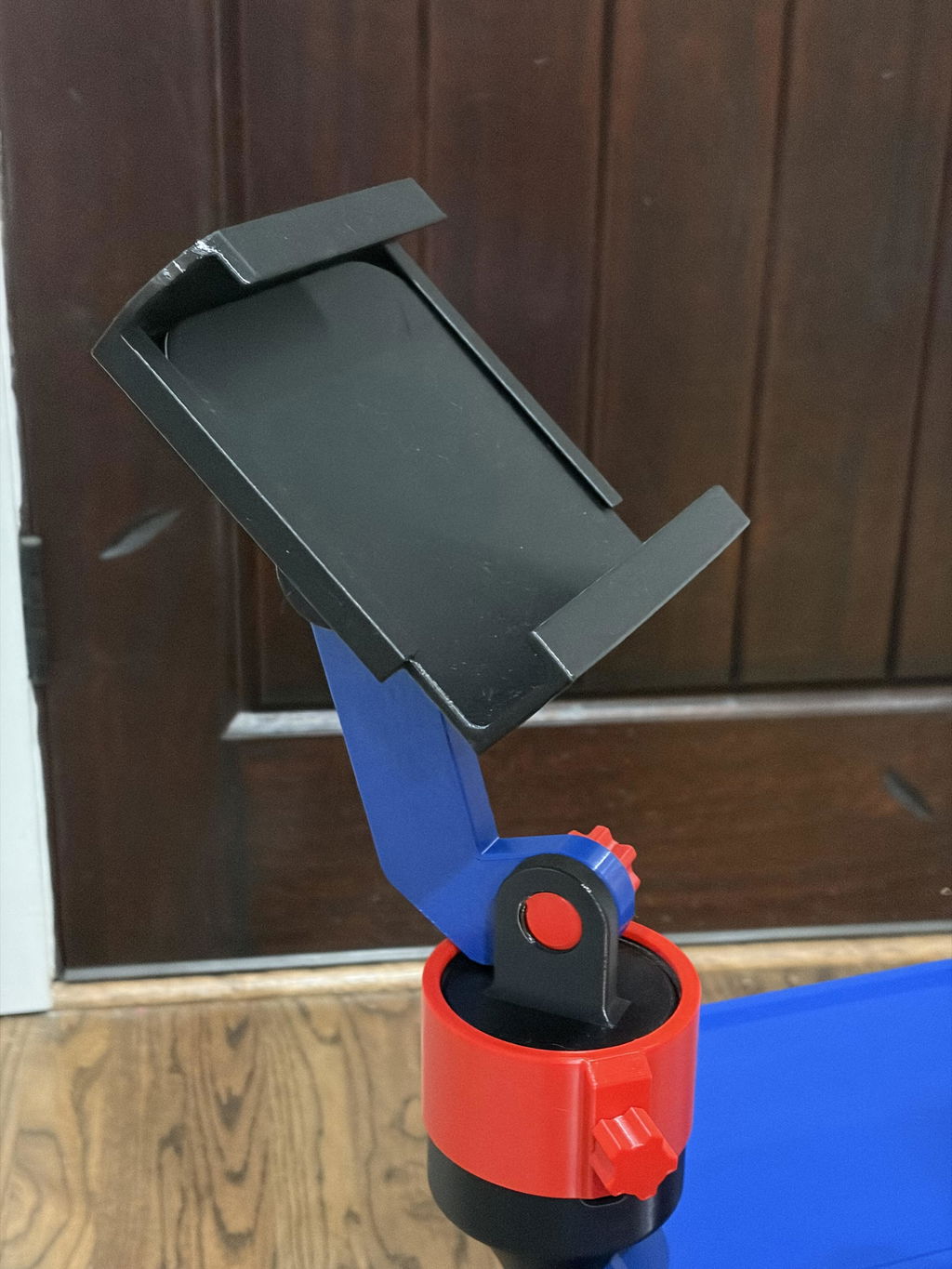
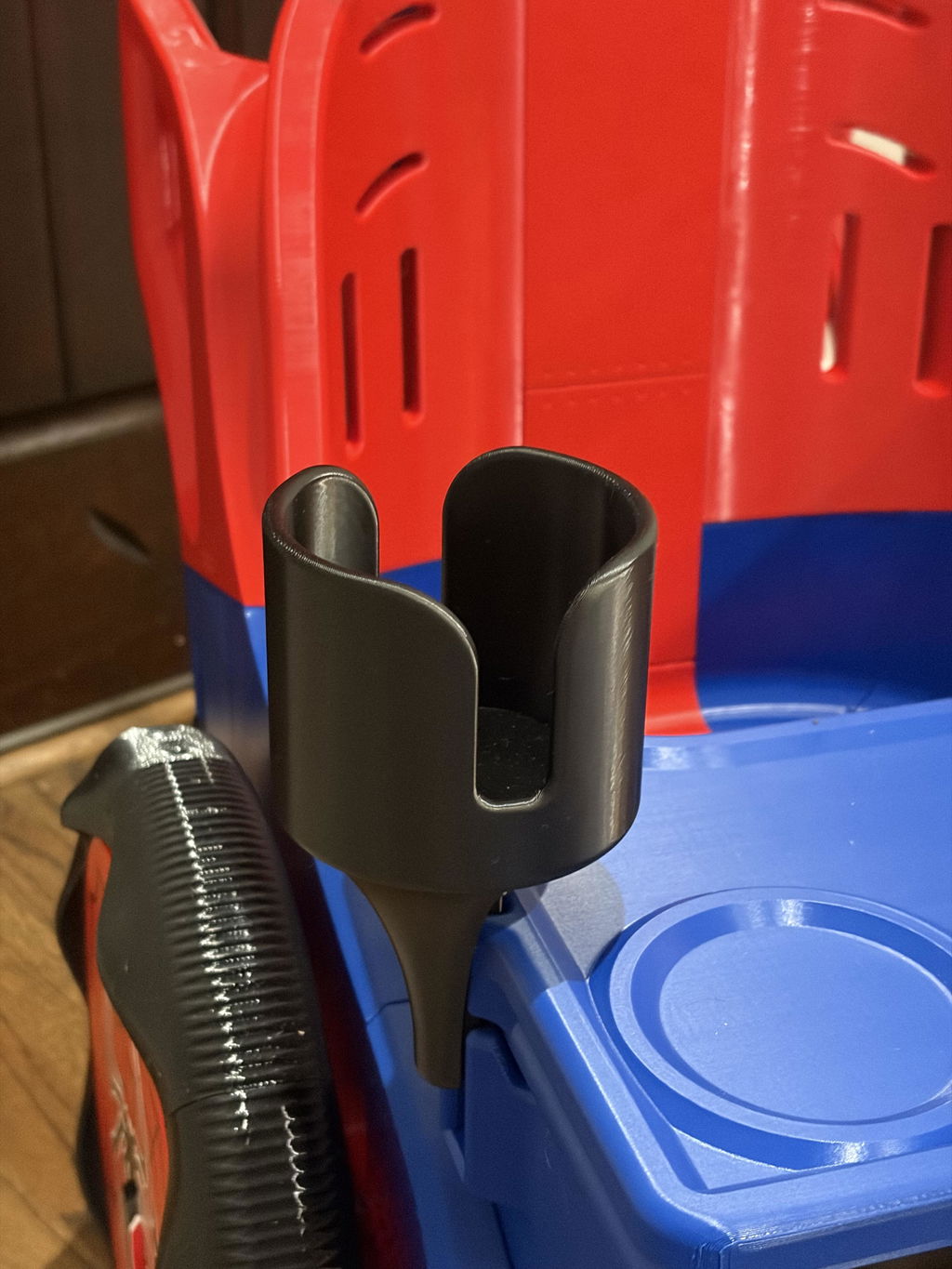
I picked this blue for my Spider-Man inspired TMT. It paired perfectly with the Red and Black for an awesome palette. Love Polymaker PETG!
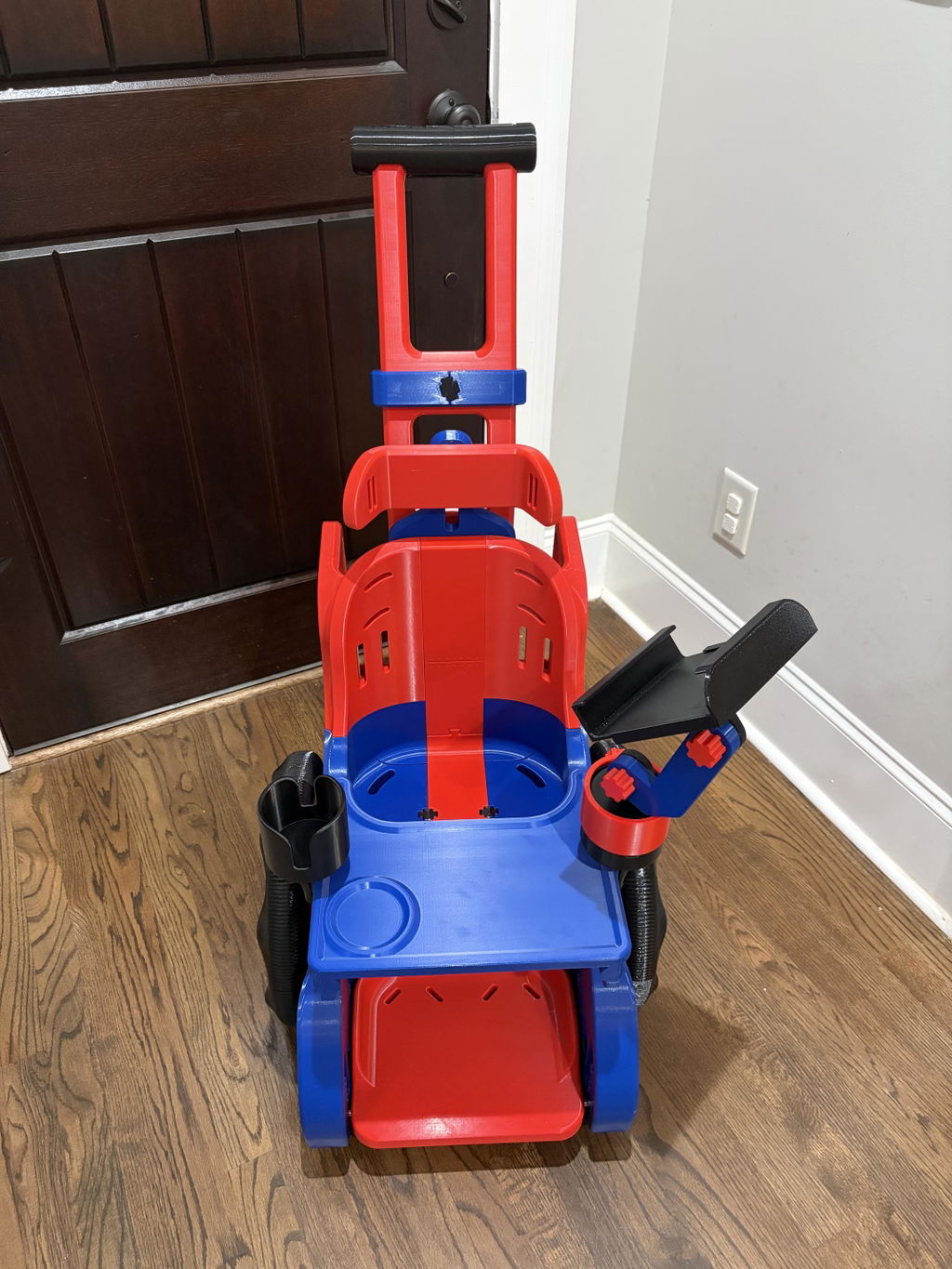
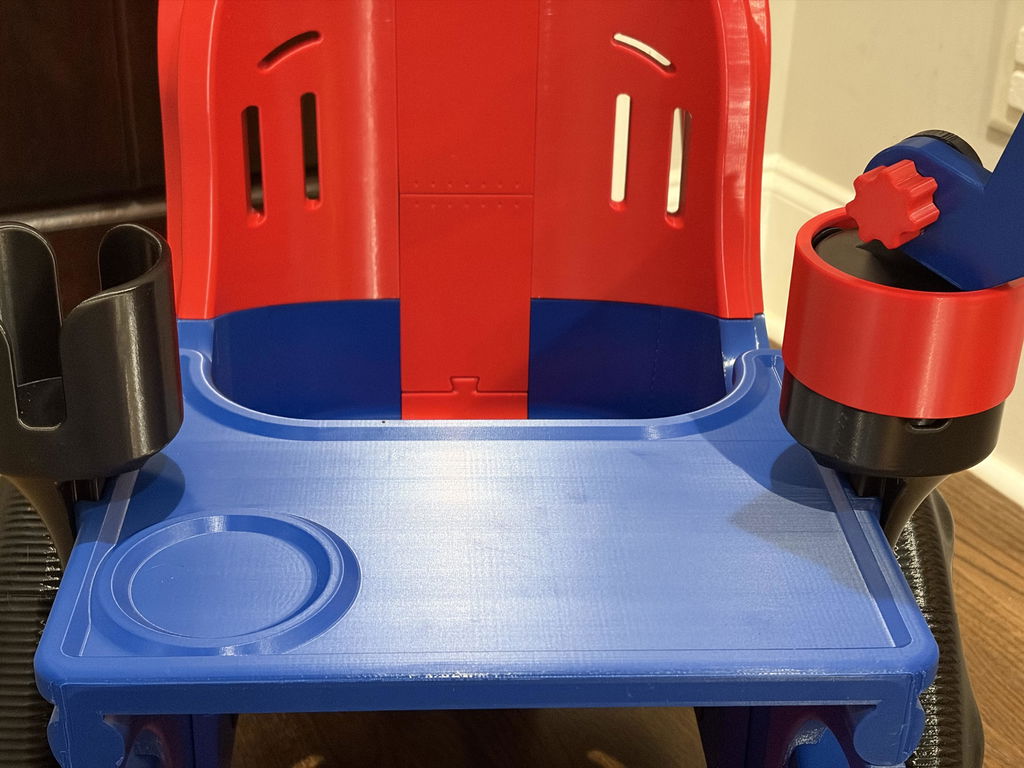
Polymaker PETG is my go-to for making TMTs. This one was a Spider-Man build. The Blue, Red, and Black were perfect and printed great.
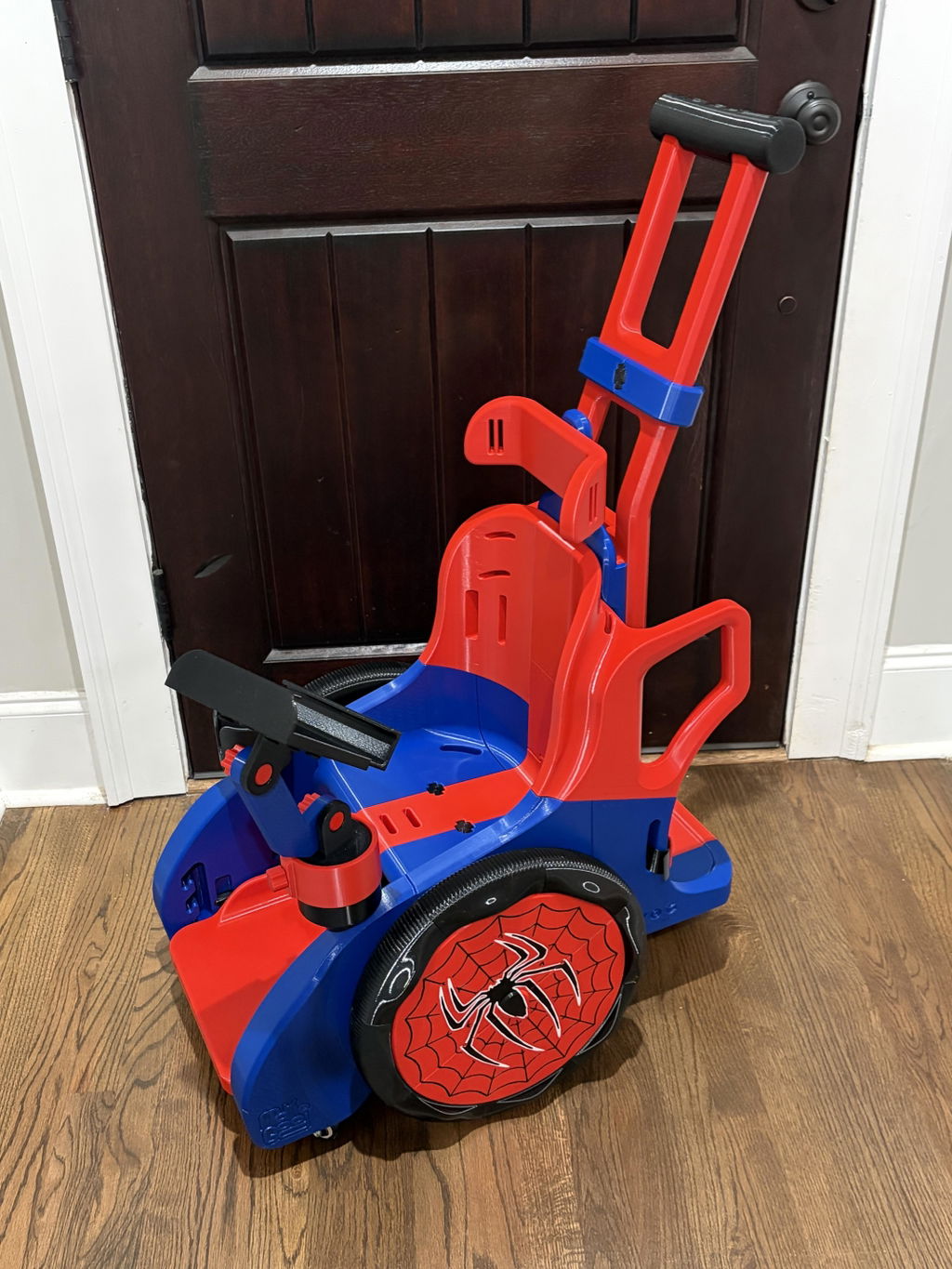
Excellent quality filament. Prints without a fuss!
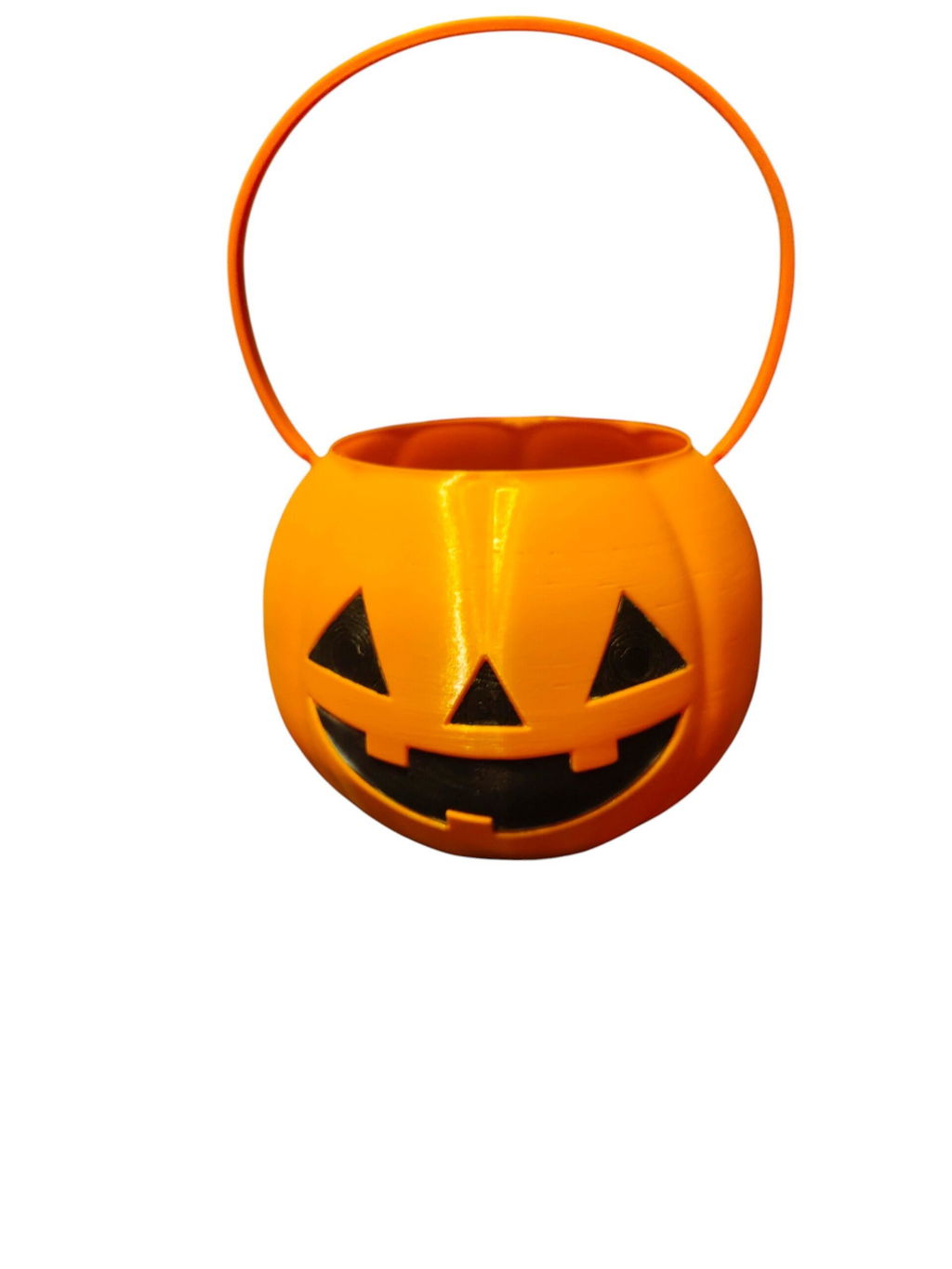
10 out of 10
Me gusta como imprime
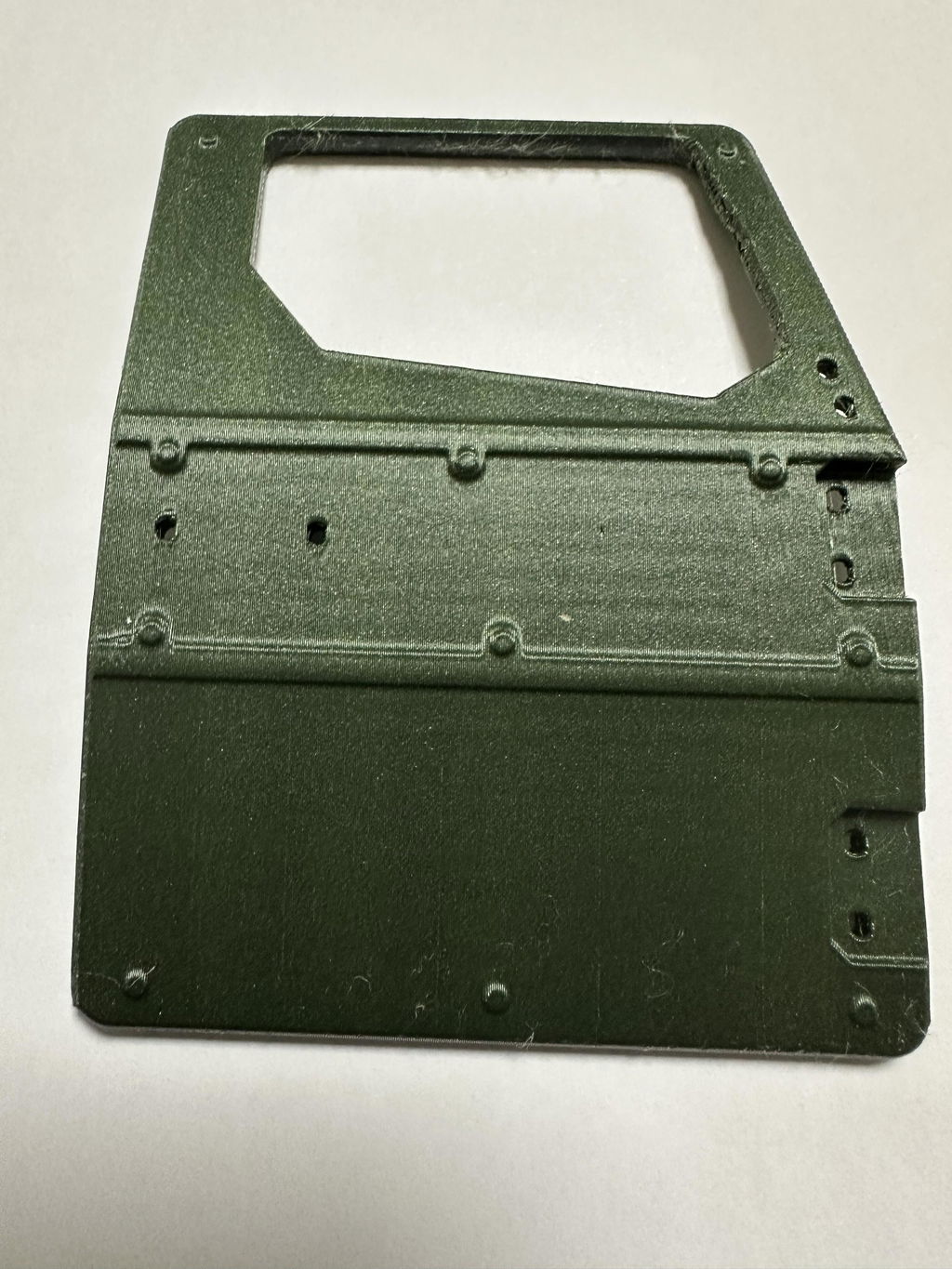
Imprime muy fácil y muy bien.
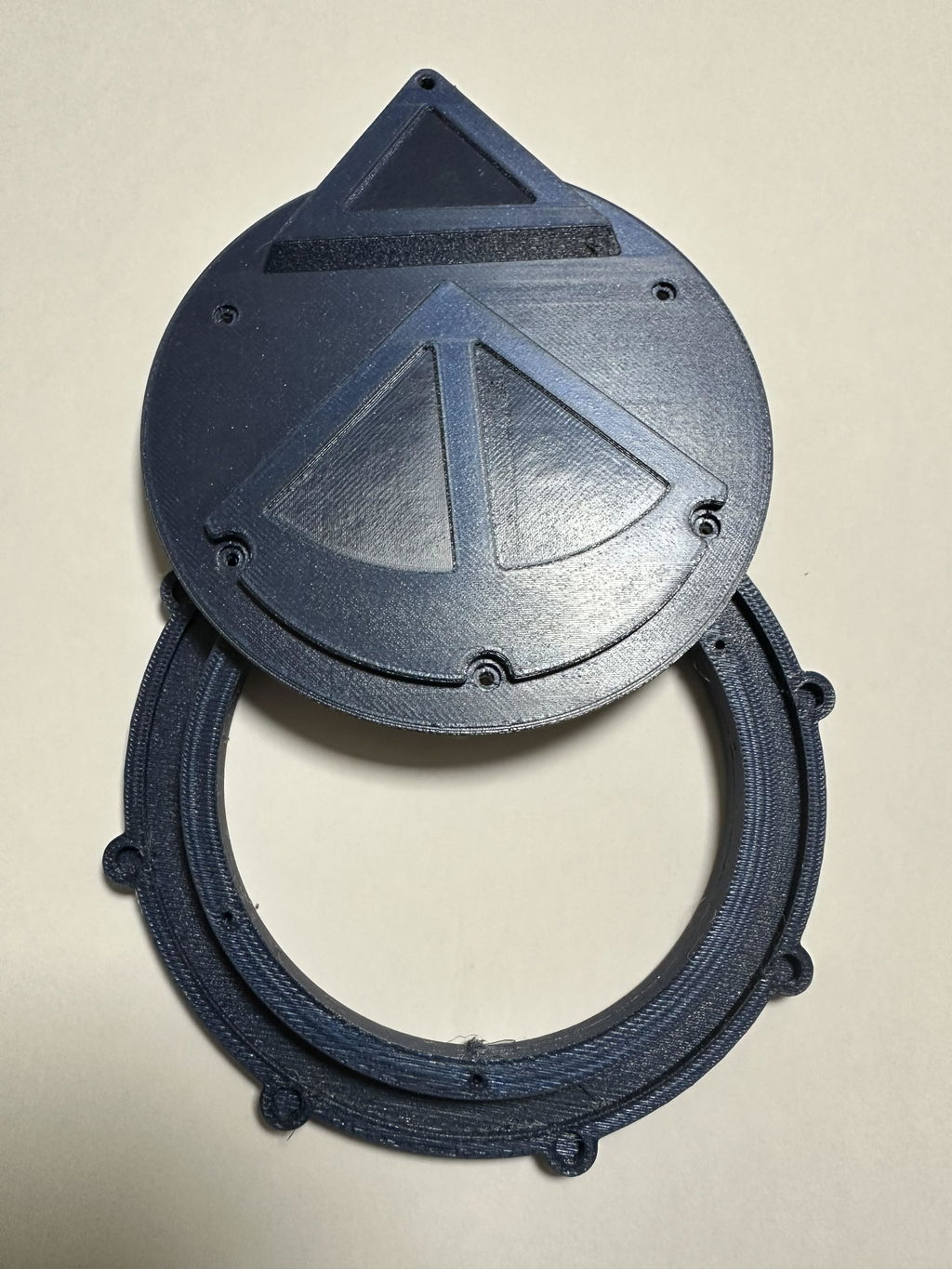
The new formula of PETG prints so much smoother and easier than the previous one. Love it!
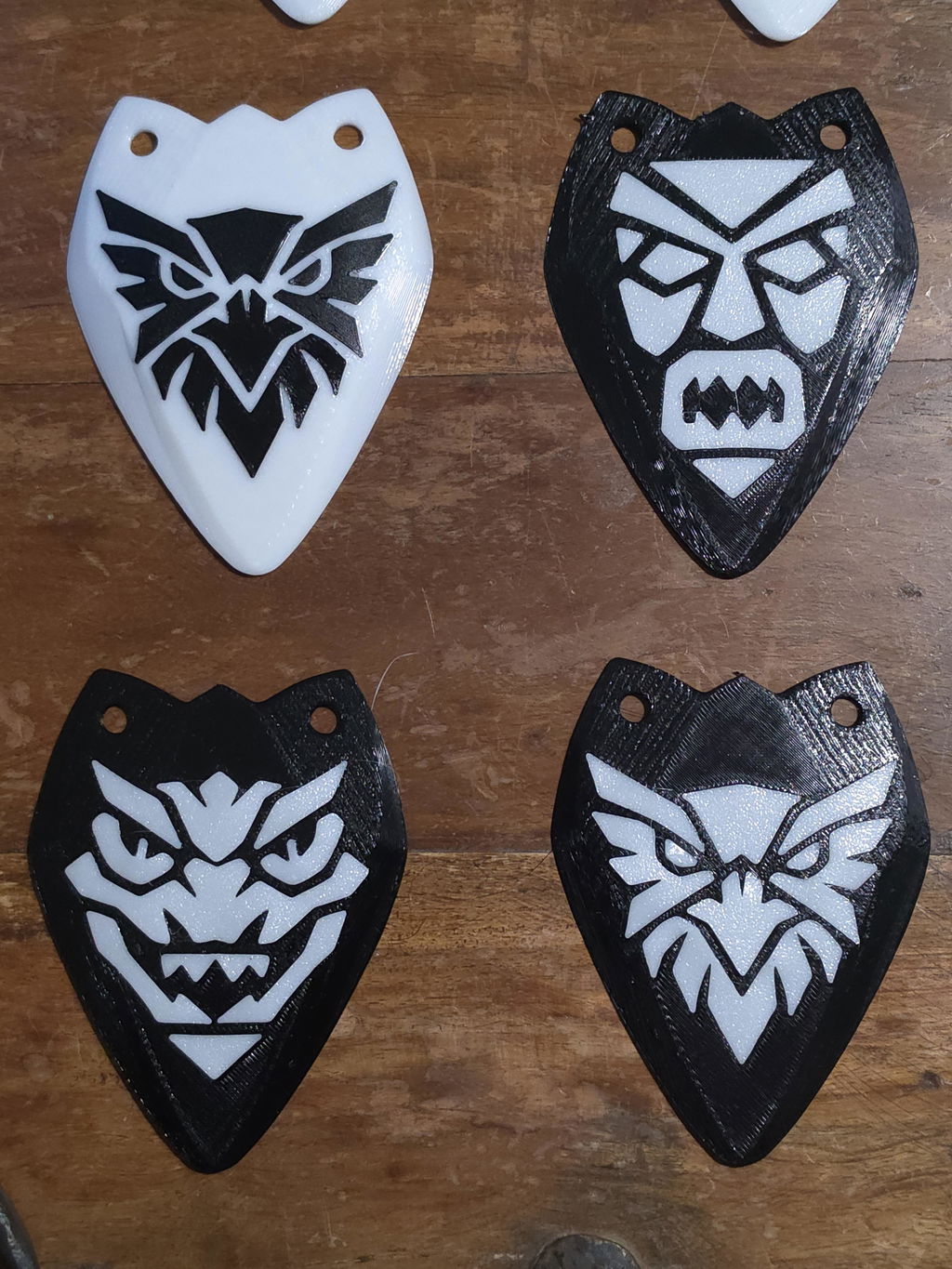
Some of the best prints i have had success with! Great Pricing
I think this is my 3rd spool, and suddenly the entire product is different. The metallic finish is completely gone, the color is flat and muted and brown looking, and the flow defect where the old and new filament meet tell me that the I'm restarting my research.
I've been printing very specific membranes with this PETG that holds water, but allows slow wicking through into a thirsty medium. Given that the new stuff seems to flow differently enough that it produces defects where they meet, I estimate extremely low chances that the tuning I've done is still valid. I'm midway through printing the finished product.
I'd expect this from a more budget brand, but not from Polymaker.
Update: I've reached out to support but the AI is gatekeeping my request unless I spend literally hours travelling back to the shop to get more photos of batch numbers I've already provided. Rating lowered from 2 stars to 1 star due to continued bad experience due to this order and product.
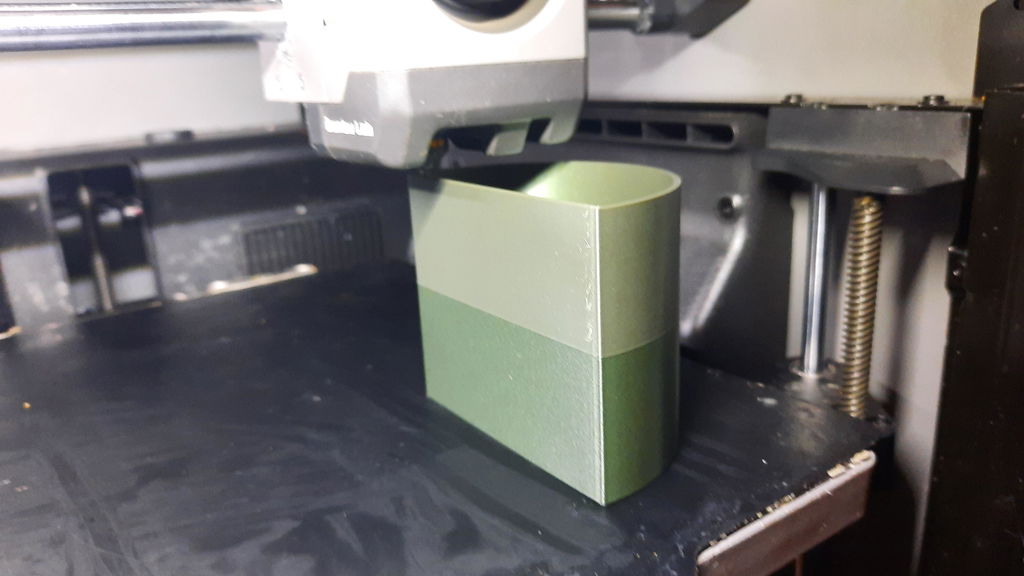
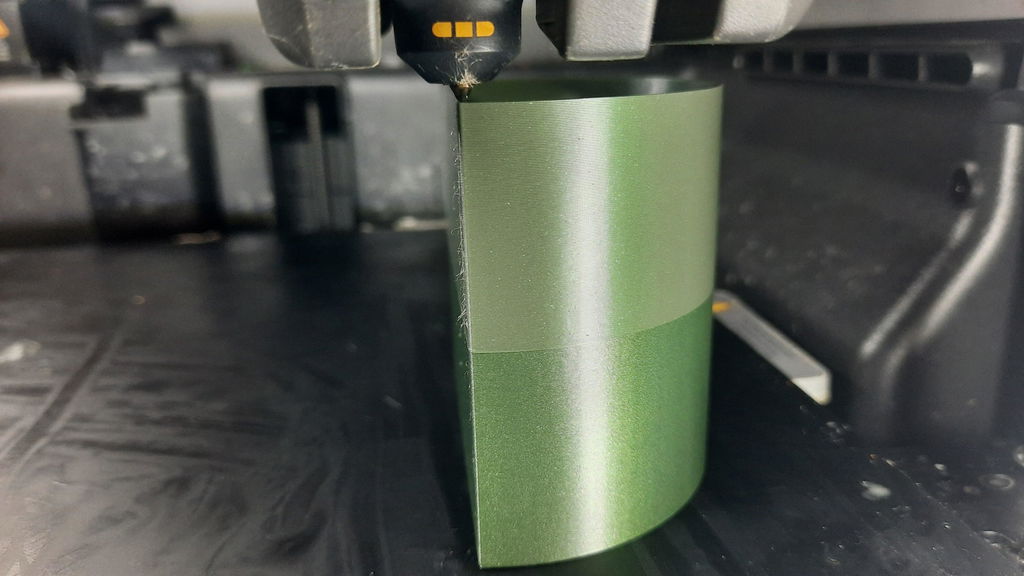
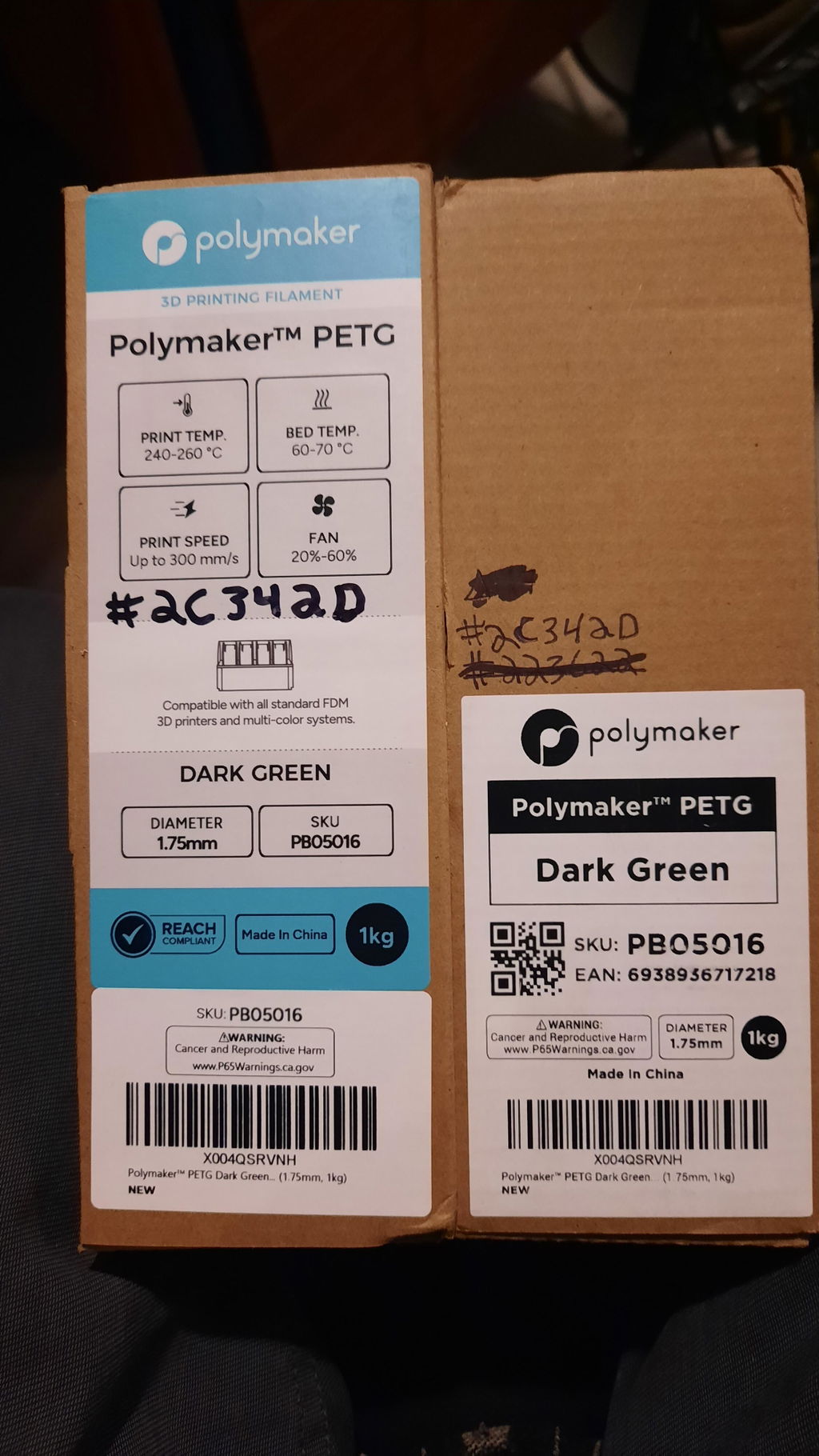
Well something certainly seems wrong here! Can you please send all of this information to support@polymaker.com? We will of course replace but I also want to send a report to the QC team since this would certainly need to be investigated.
We agree that this would not be acceptable.
The subtle glitter effect gives prints a premium look while hiding layer lines effortlessly. Prints cleanly with minimal stringing and great layer adhesion.
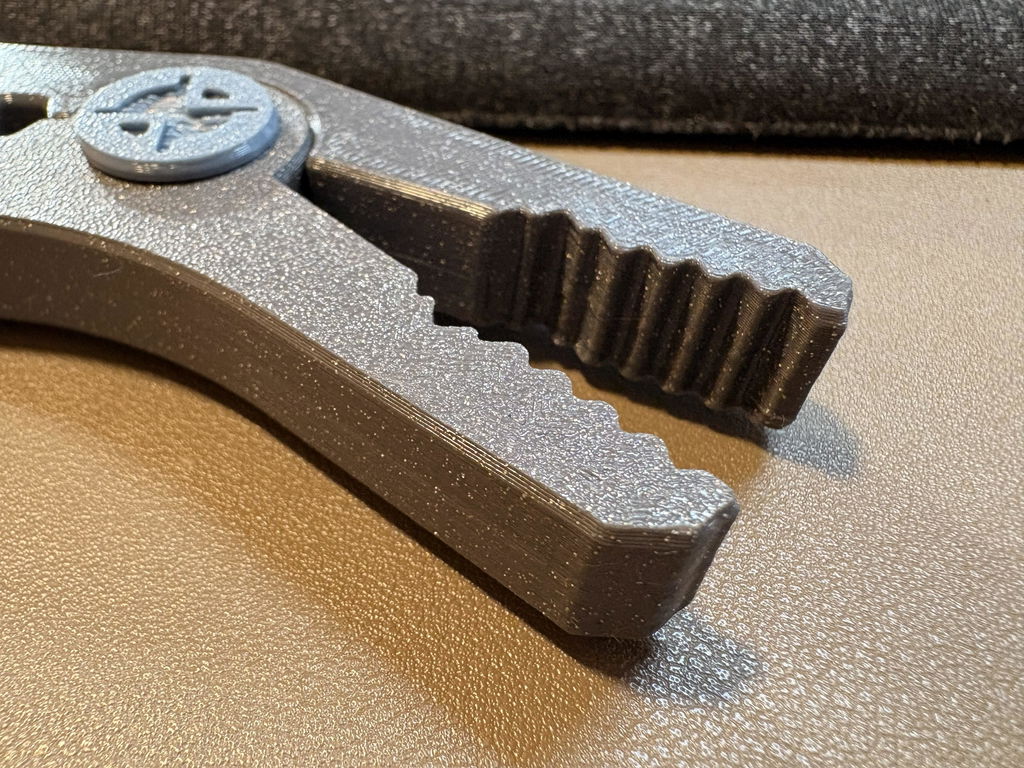
The new formula flows consistently with great layer bonding. The silver sheen looks fantastic on mechanical brackets and doesn't show layer lines easily.
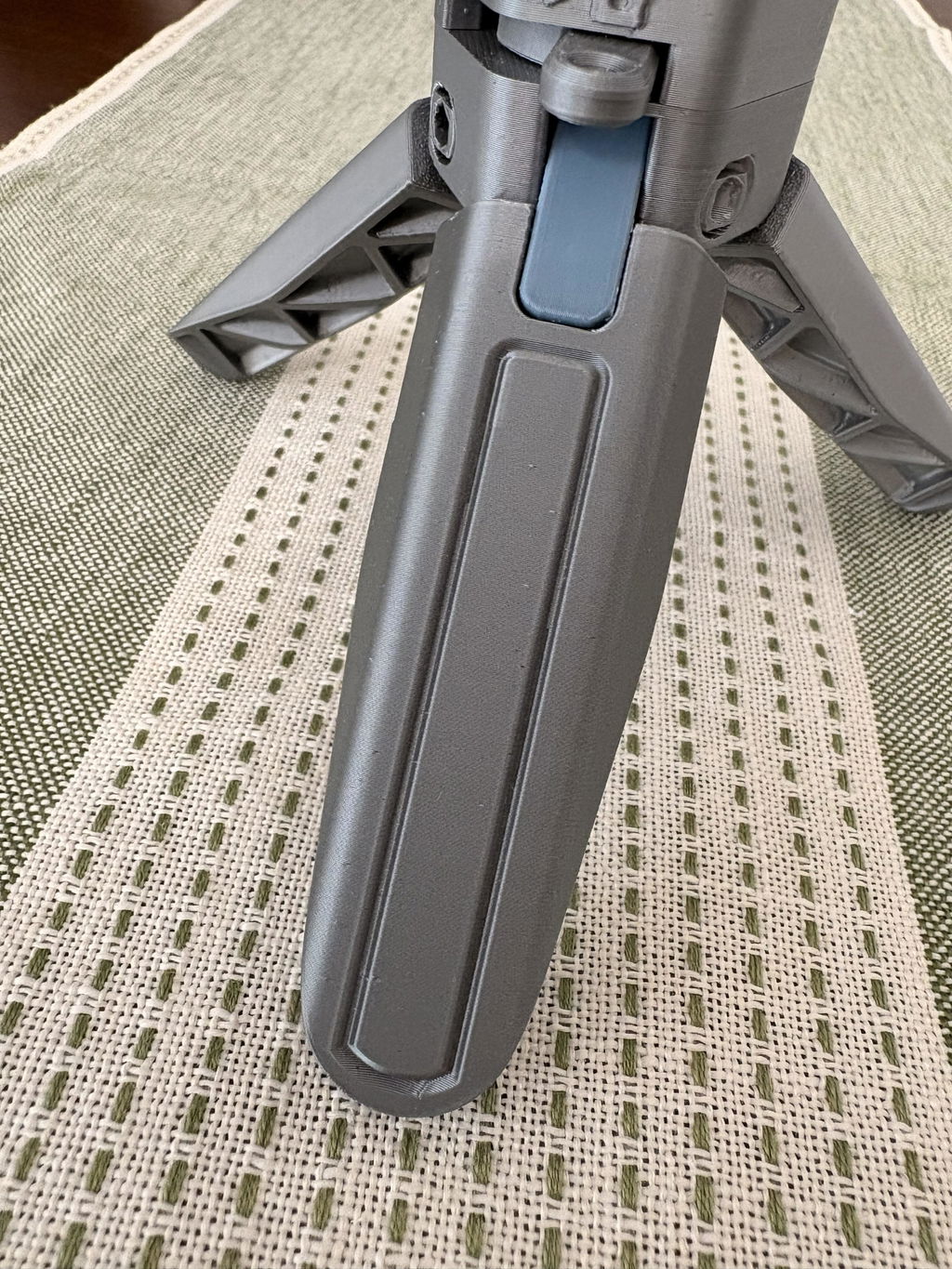
I wasn't sure about this color initially but I pulled the trigger and couldn't be happier with how the parts turned out.
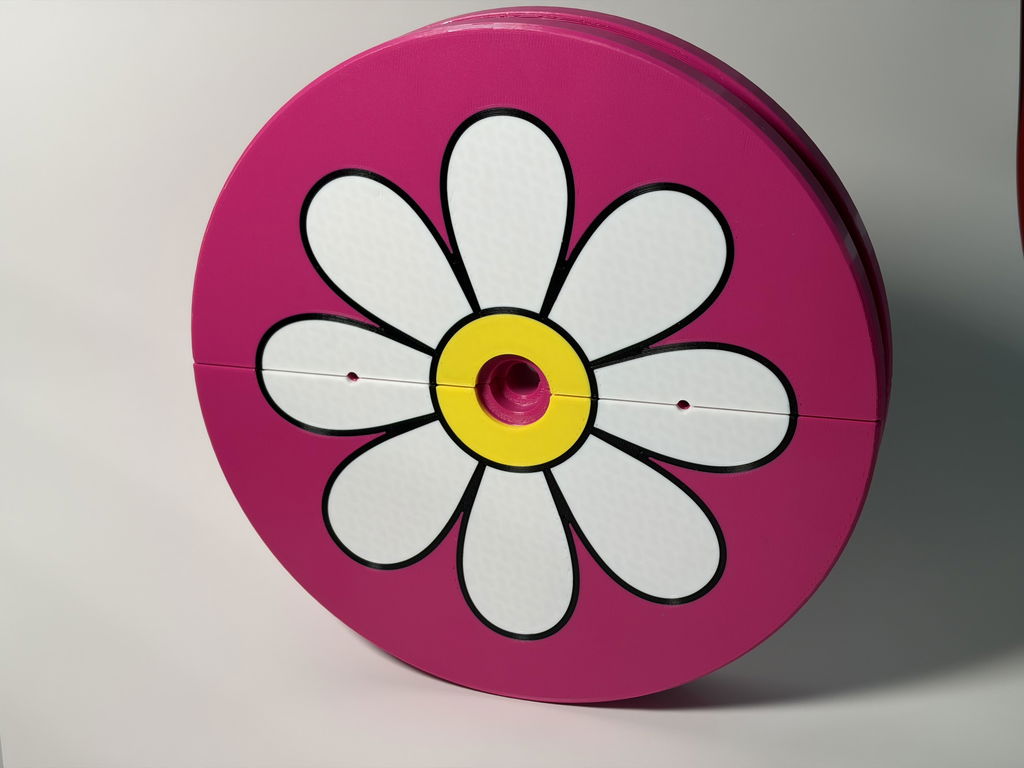
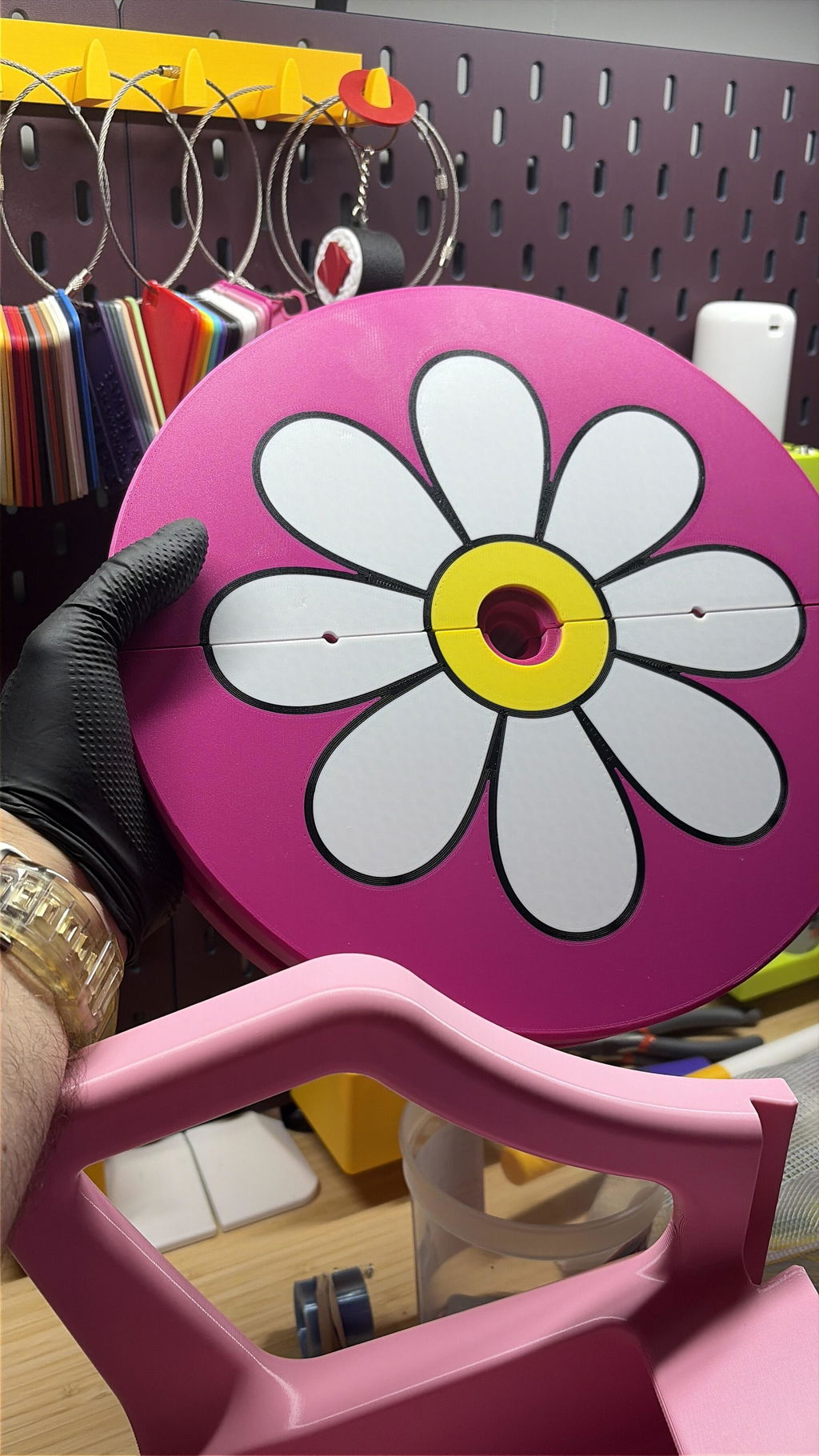
Very happy with this PETG. It was just the color I needed for this TMT.
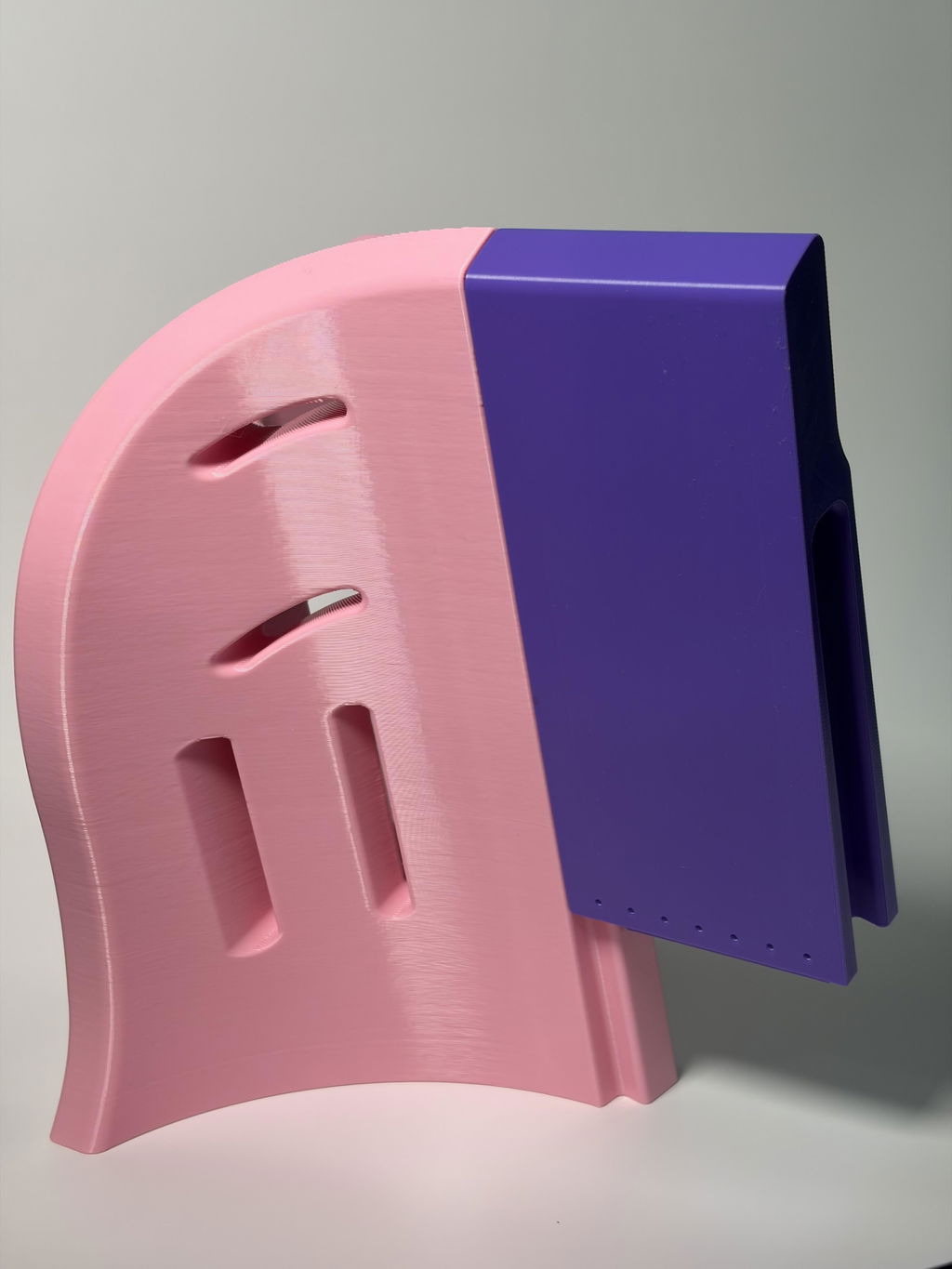
Use this yellow (in addition to pink, purple, and magenta) in a Toddler Mobility Trainer (TMT) and it really came out wonderfully! Really happy with Polymaker PETG.
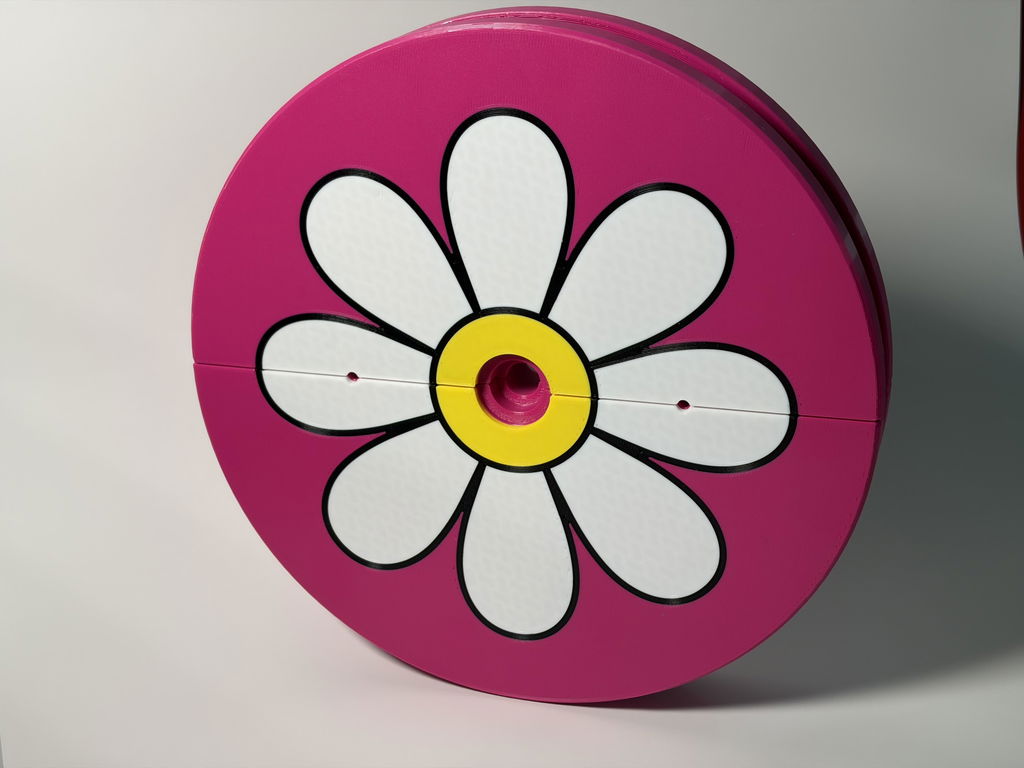
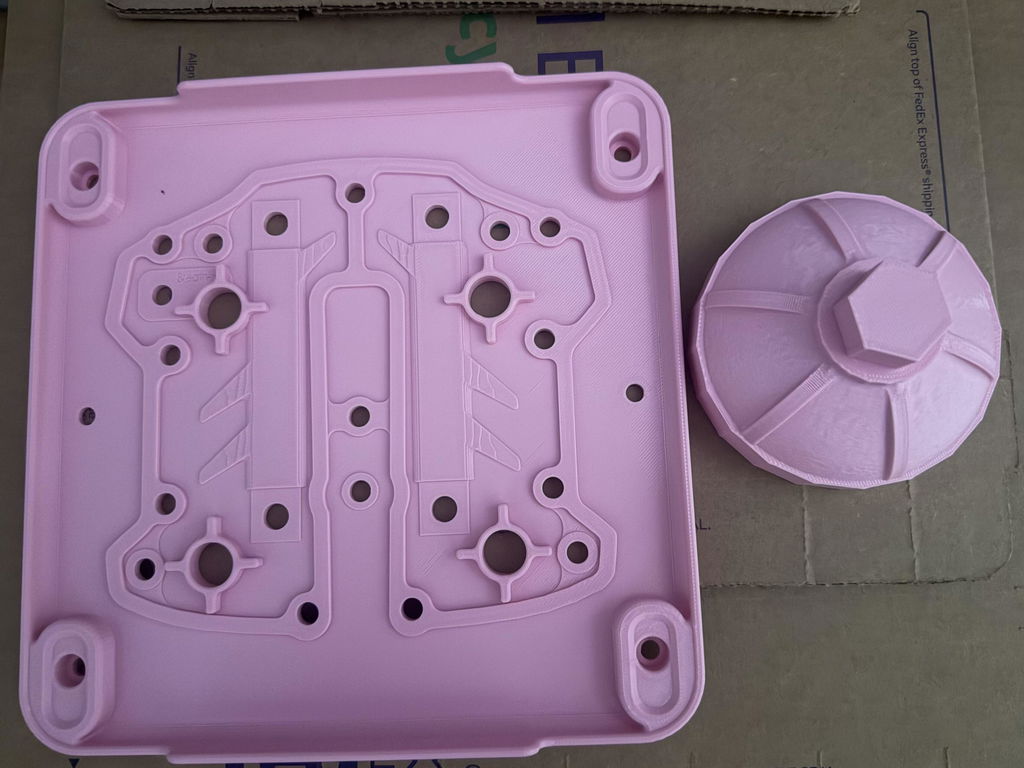
I recently used this pink in a Toddler Mobility Trainer (TMT) and it really came out wonderfully! Really happy with Polymaker PETG.
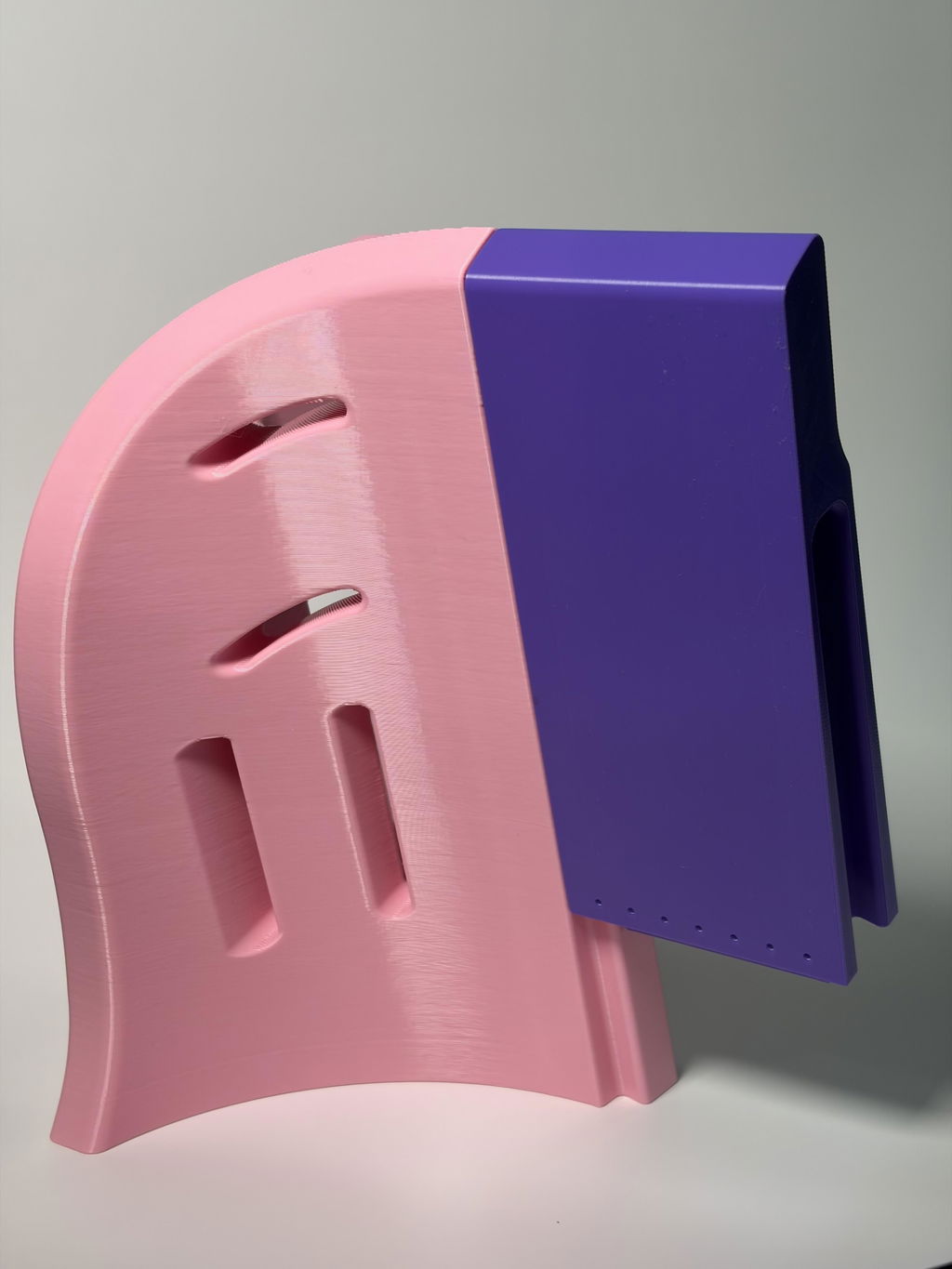
great product
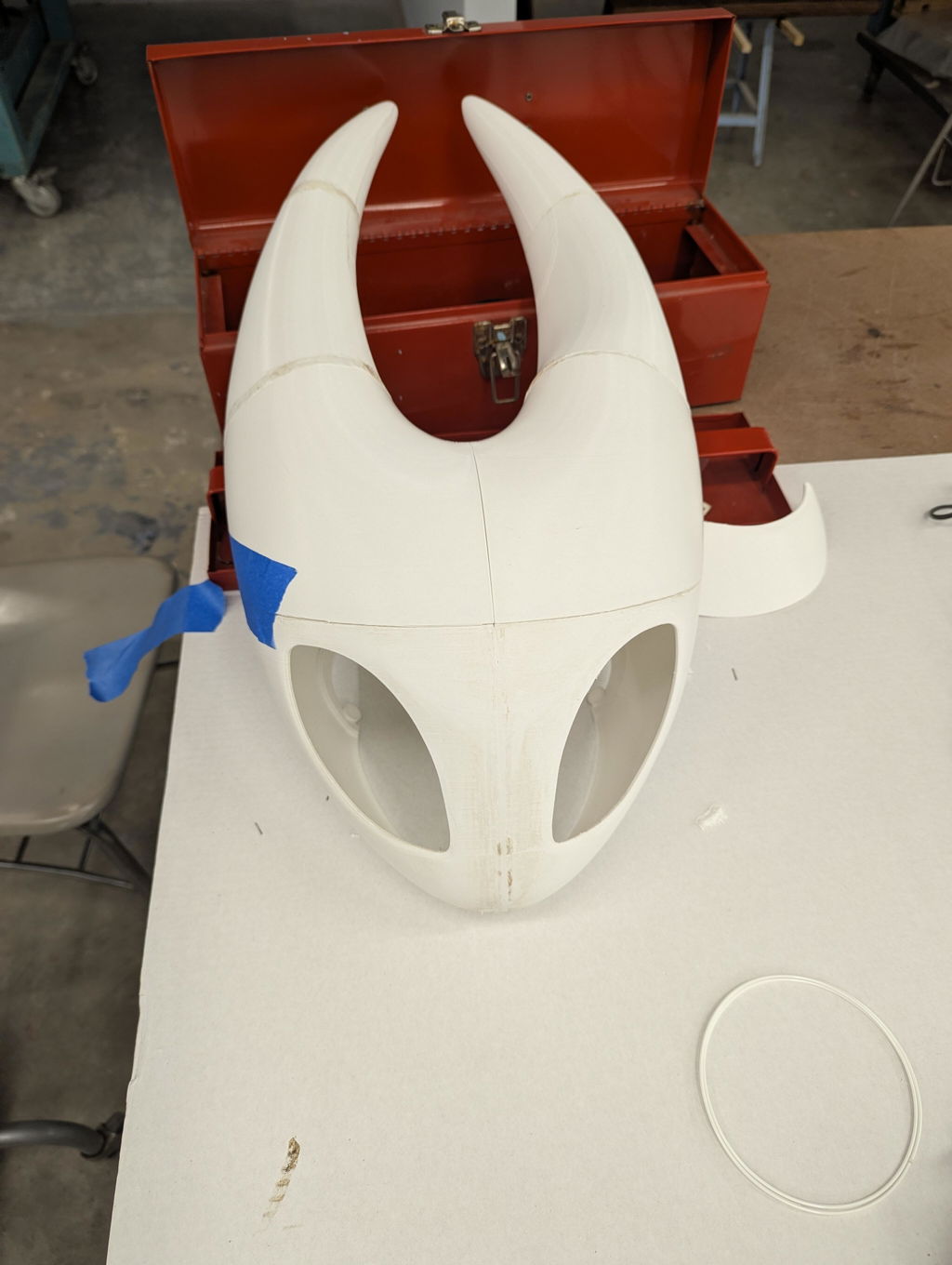
Arrived fast, excellent quality product, as always!
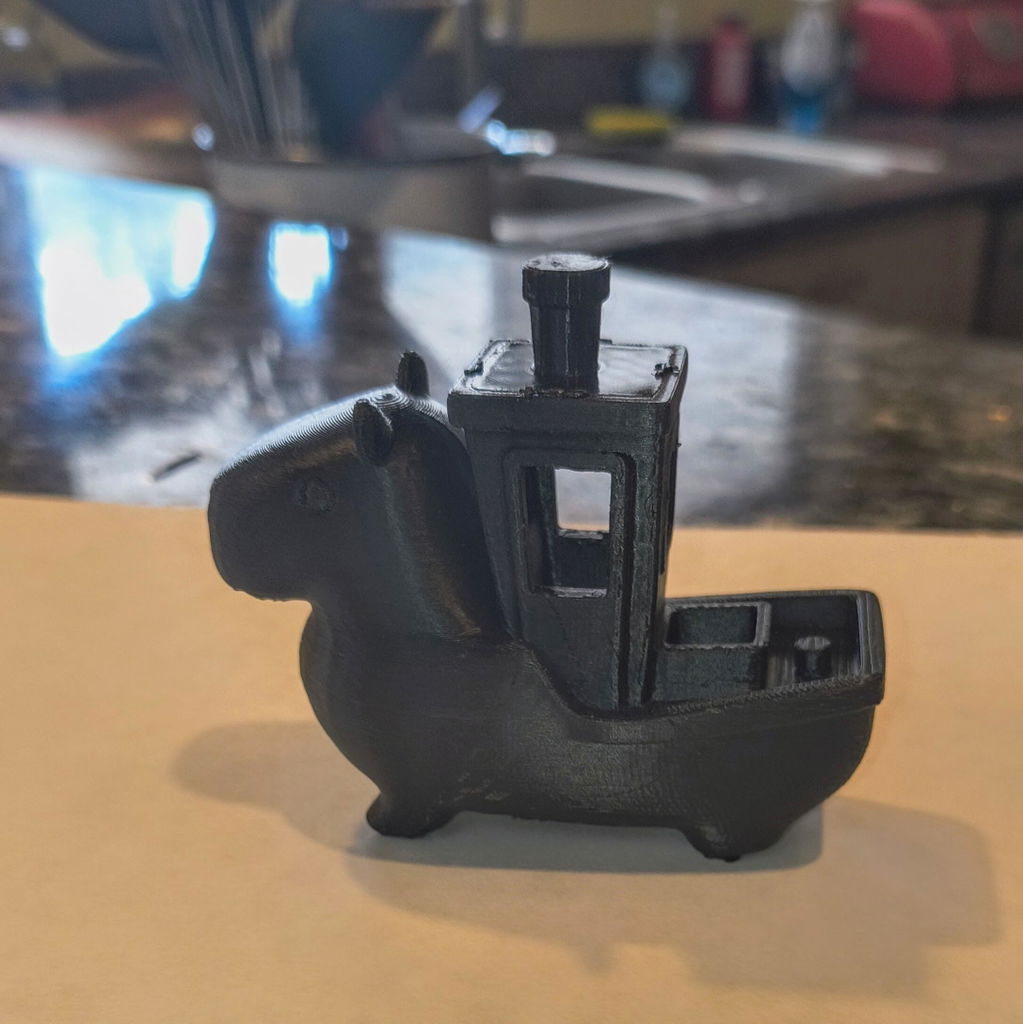
just as petg should be
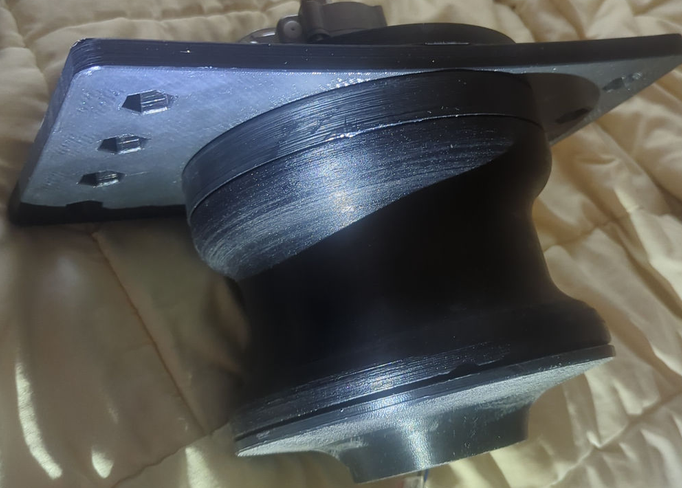
Seems like good stuff. Package arrived I. Good time , good tracking , and have bought from them a few times
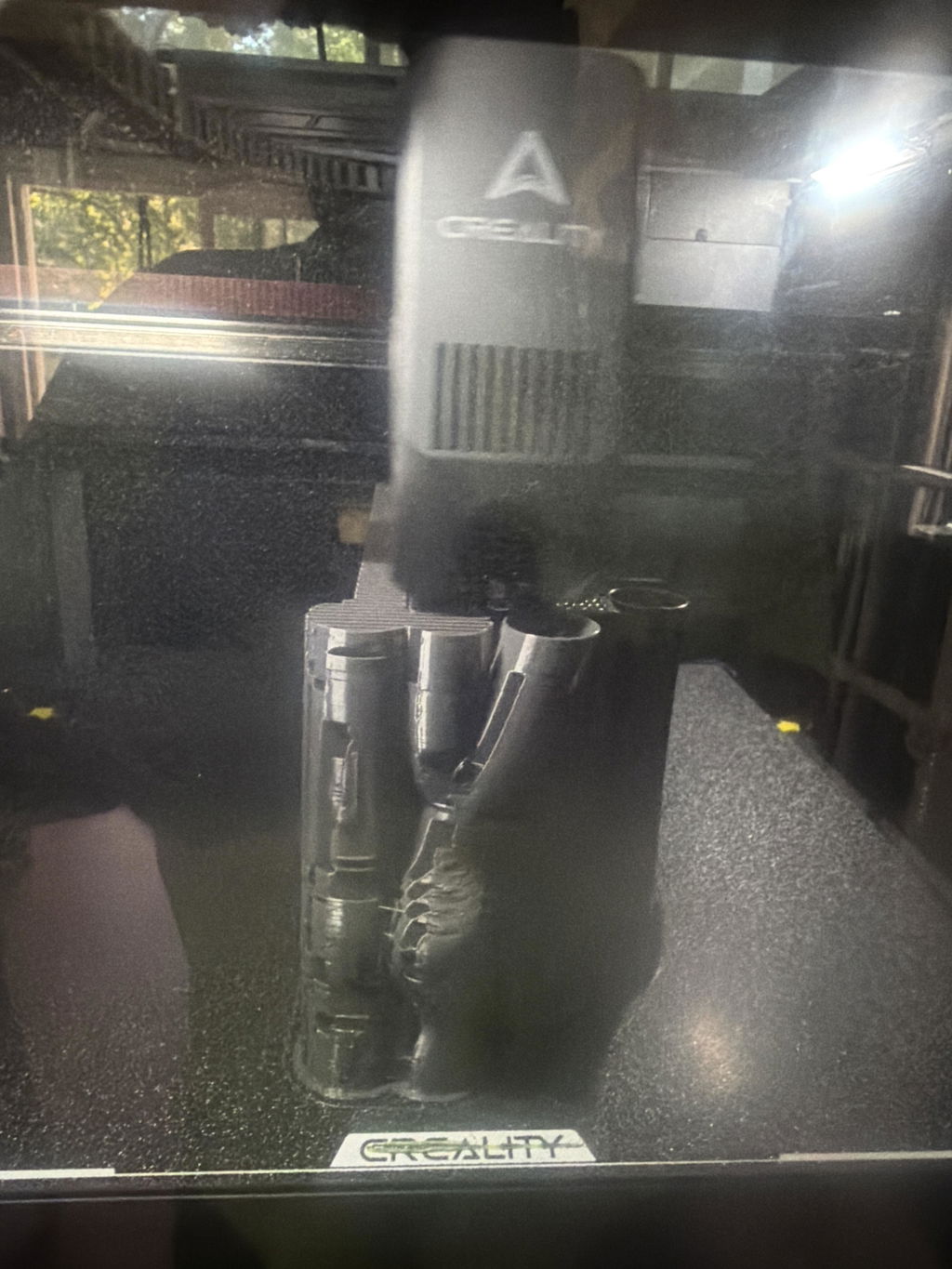
Got this a few days ago and it works amazing! printed a few things, it's pretty tough and its working well for my needs I'm for sure am gonna buy more :D