


5-10 days
Payments
Description
Description
PolyLite™ CosPLA: Premium PLA for Cosplay Creators
Specialized for Cosplay Applications
PolyLite™ CosPLA is a unique PLA filament developed specifically for cosplay prop makers. Its advanced formulation is designed for effortless sanding, enhanced durability, and superior paint adhesion—making it ideal for crafting detailed, high-quality props and costume pieces.
Outstanding Sandability and Durability
This filament stands out for its ease of post-processing. PolyLite™ CosPLA sands smoothly and accepts paint exceptionally well, allowing for professional-quality finishes. Compared to standard PLA, it offers increased toughness, so your props can better withstand handling and wear.
Two Formulations for Custom Needs
Version A: Optimized for even easier sanding and paintability—perfect for intricate, smooth-finish props.
Version B: Enhanced for maximum durability—ideal for parts that require extra strength.
Printability and Performance PolyLite™ CosPLA prints reliably on most desktop 3D printers, requiring no special hardware or enclosure. Recommended print temperatures range from 190–220°C, with a bed temperature of 30–60°C. For best results, print at moderate speeds and use full cooling.
Perfect for Creative Projects
Whether you’re building a cosplay suit inspired by your favorite characters or need a filament that handles finishing work with ease, PolyLite™ CosPLA delivers exceptional results every time.
WARNING: It is important to wear proper PPE while sanding printed parts.
Printing Requirements
Print Settings
Print Settings

Technical Specifications
Everything you need before you hit print
- Use standard PLA-style settings, then sand and paint the finished part as needed for cosplay finishing.
- Start within the recommended 190 - 230°C nozzle and 25 - 60°C bed ranges, then make small adjustments for the printer and model.
- Use the recommended ON cooling-fan setting and keep printing speed within 50 - 300 mm/s.
- Run a small test print before a long job and adjust only within the published printing window.
| Property | X-Y | Z | Value | Method |
|---|---|---|---|---|
| Density | — | — | 1.24 g/cm³ Important | ISO 1183 |
| Tensile strength | 31.1 MPa Important | 16.7 MPa Important | — | ISO 527 |
| Elongation at break | 13.8 % Important | 1.1 % Important | — | ISO 527 |
| Bending strength | 58.7 MPa Important | — | — | ISO 178 |
| Bending modulus | 2442 MPa Important | — | — | ISO 178 |
| Young's modulus | 2246 MPa Important | 1782 MPa Important | — | ISO 527 |
| Melting temperature | — | — | 161 °C Important | ISO 11357 |
| Glass transition temperature (Tg) | — | — | 59 °C Important | ISO 11357 |
| Vicat softening temperature | — | — | 62 °C Important | ISO 306 |
| HDT (0.45 MPa) | — | — | 58 °C Important | ISO 75 |
| HDT (1.8 MPa) | — | — | 56 °C Important | ISO 75 |
Tested on 100% infill specimens. X-Y = across the layers, Z = between the layers (layer adhesion).
Frequently Asked Questions
Got questions? We've got answers. From choosing the right material to caring for your spools, here's everything you need to know in one spot.
What is the difference between Version A and Version B?
What is the heat resistance of PolyLite™ CosPLA?
Will the spools work in an AMS?
Is this material food safe?
Do you sell refills?
Is this material recyclable?
Customers highly praise this specialized PLA for cosplay and prop-making. "Sands like a dream" and "easy to sand away layer lines" were common remarks. The material is durable, takes paint well, and prints reliably. Most found it worth the price for finishing work, though one customer noted it's "no easier to sand than typical PLA" for detailed parts. A few mentioned minor stringing issues and one found it less strong than expected.
I win a lot of competitions with this filament, very sandable.
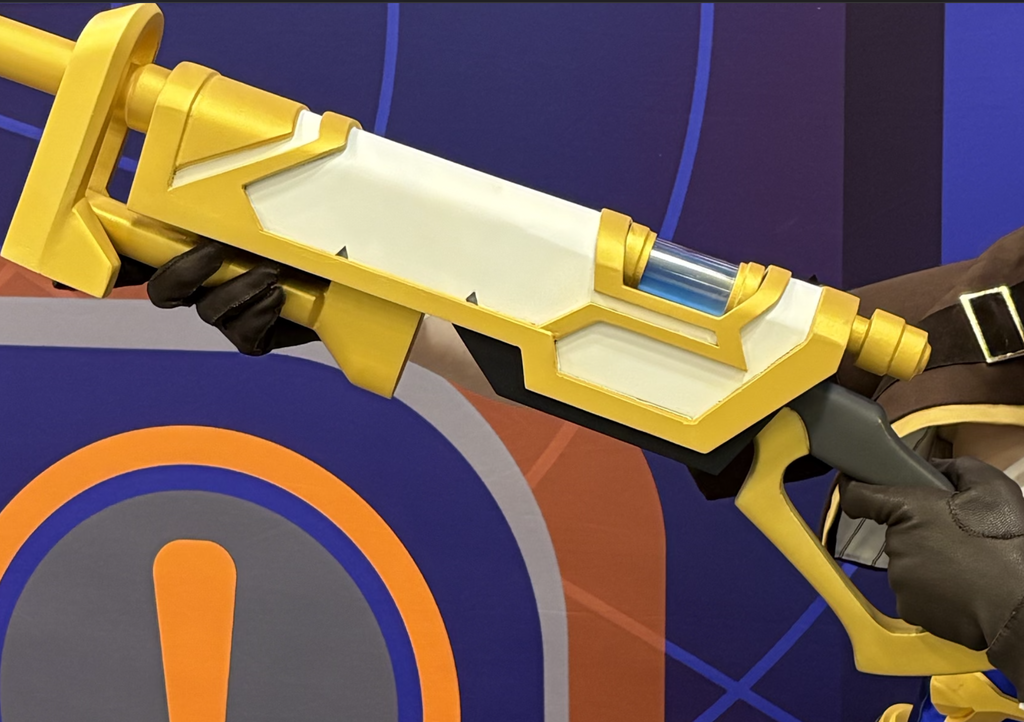
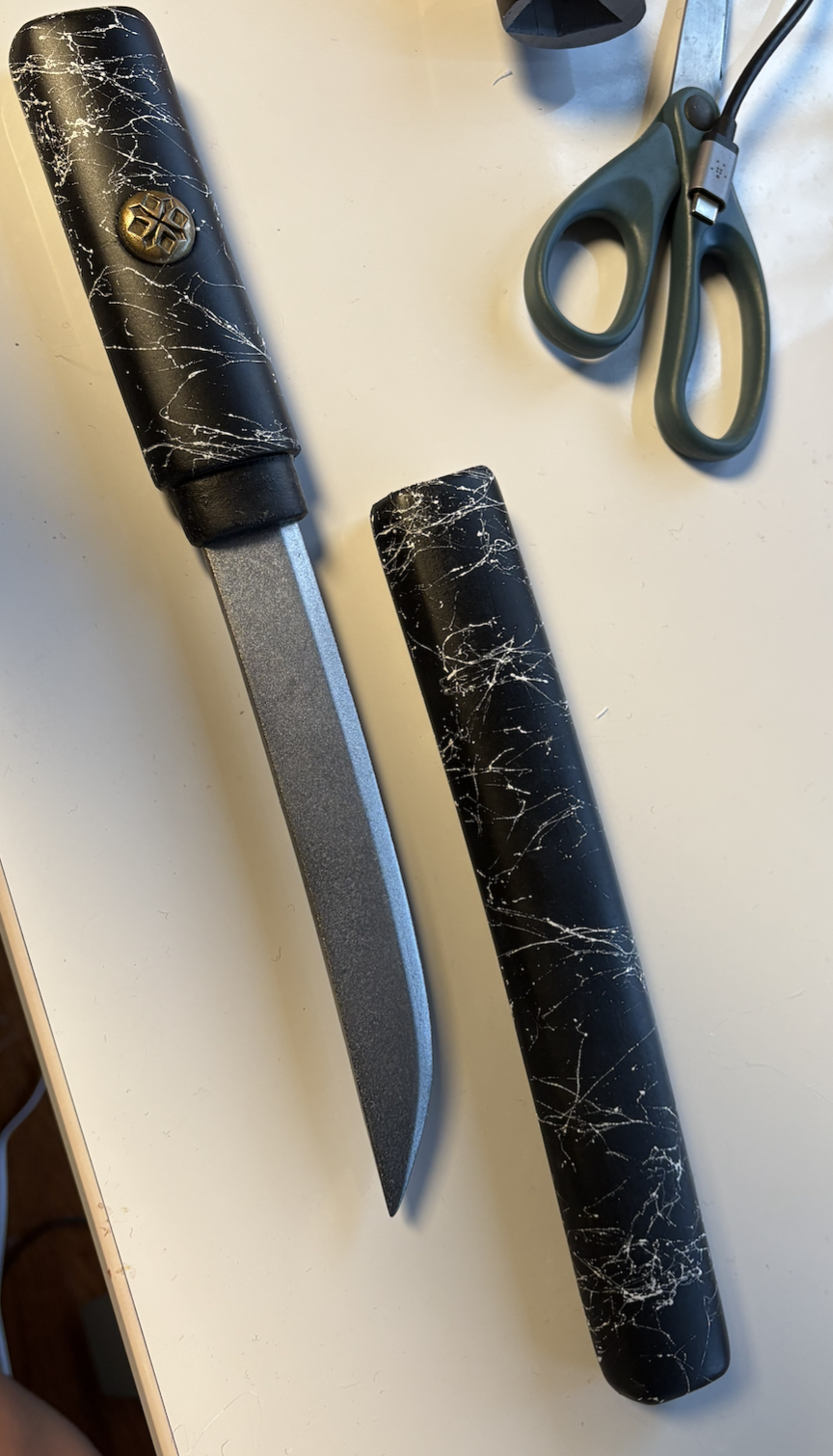
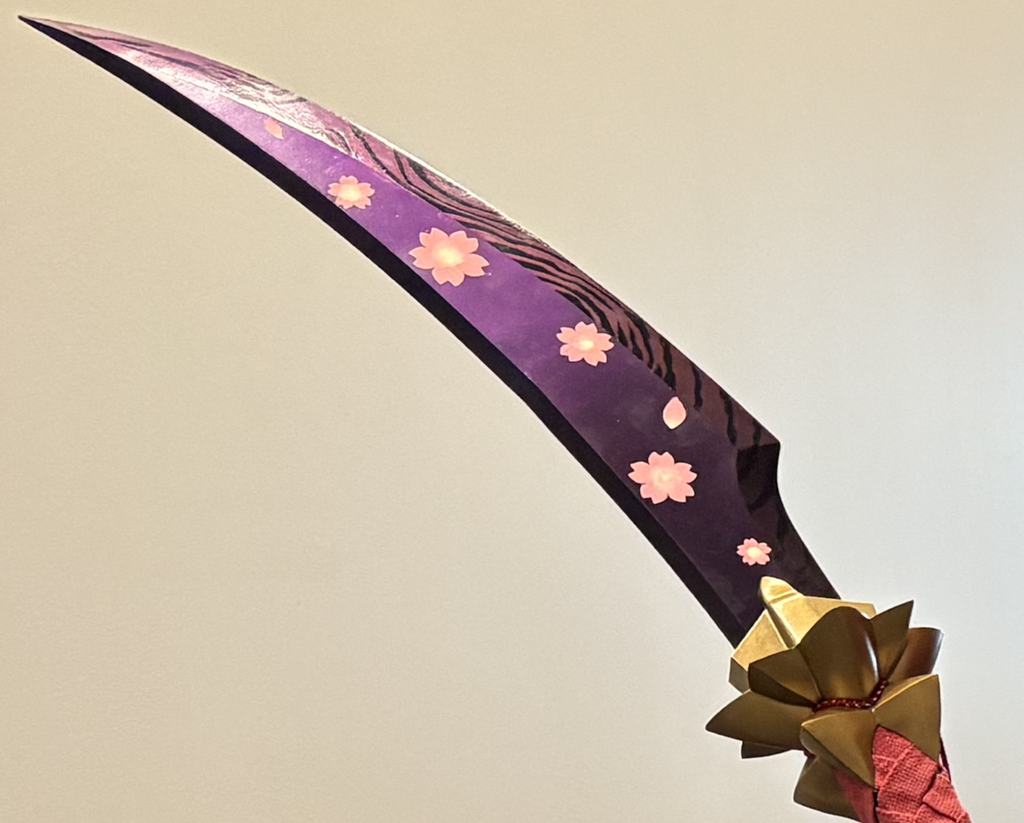
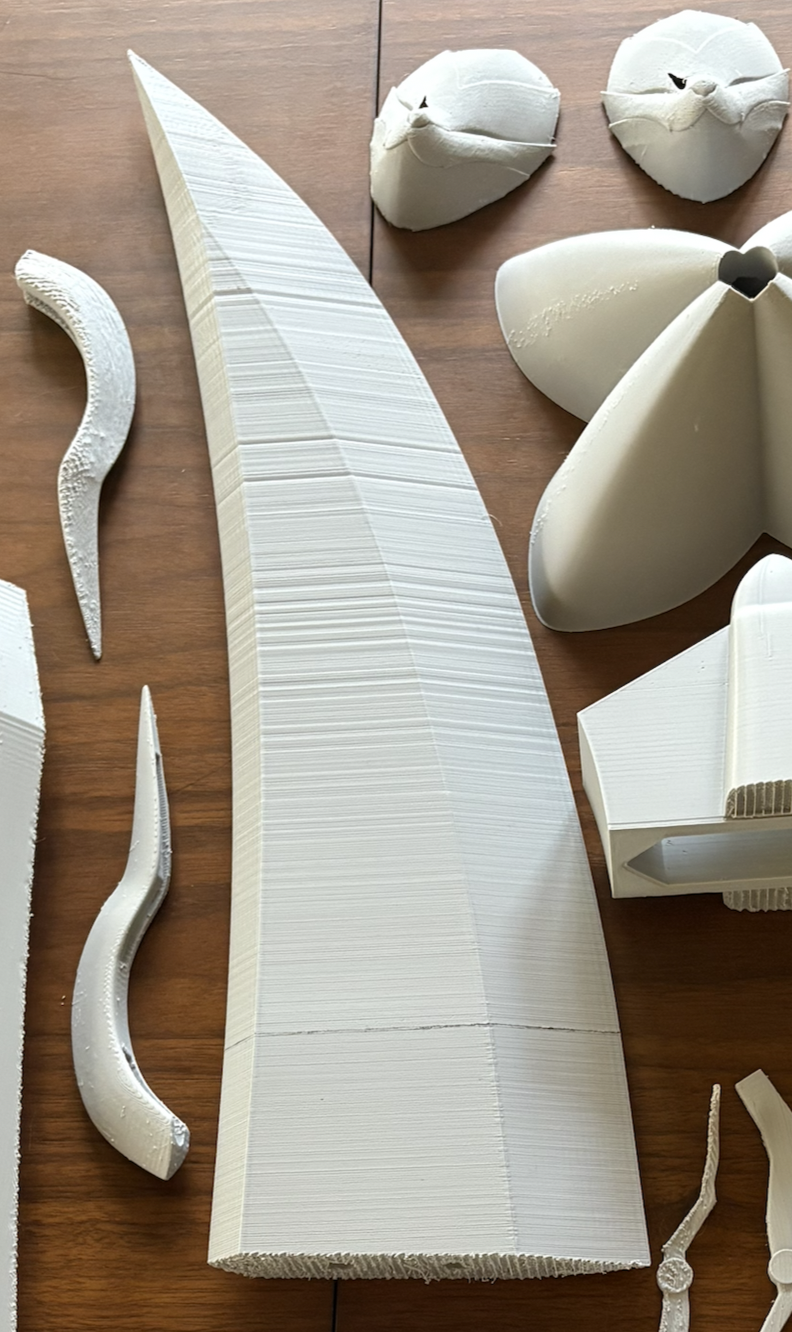
Good quality PLA, very satisfied!
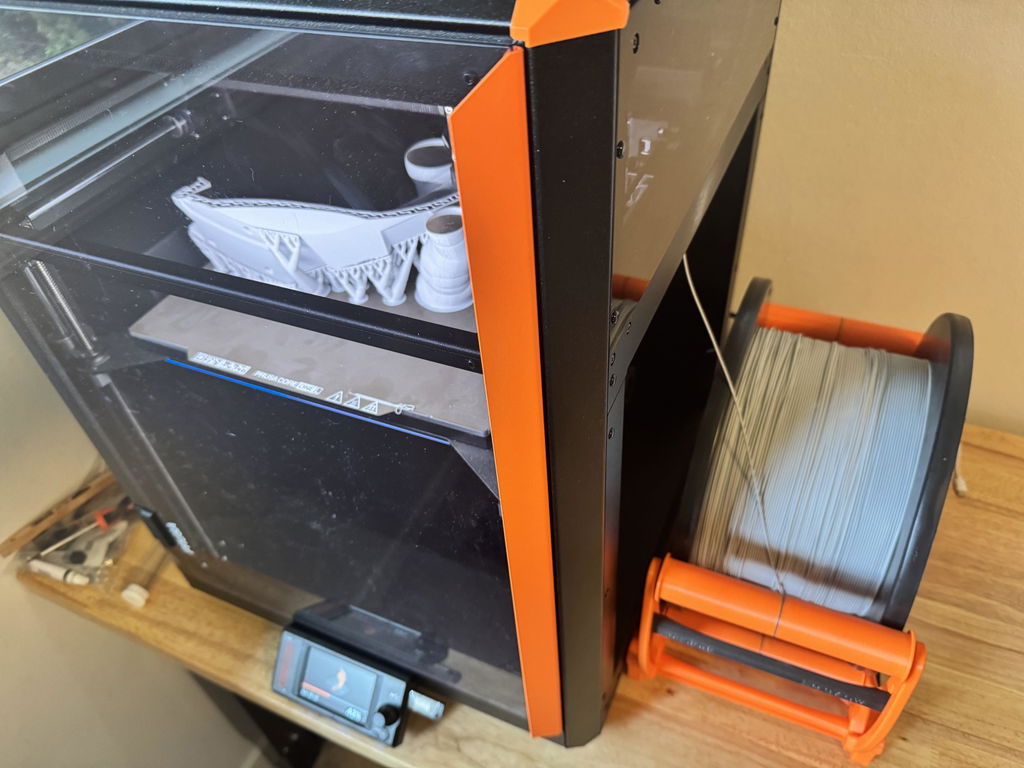
Great filament options, arrives in a timely manner and I never pay shipping. Polymaker is my go-to for filament.
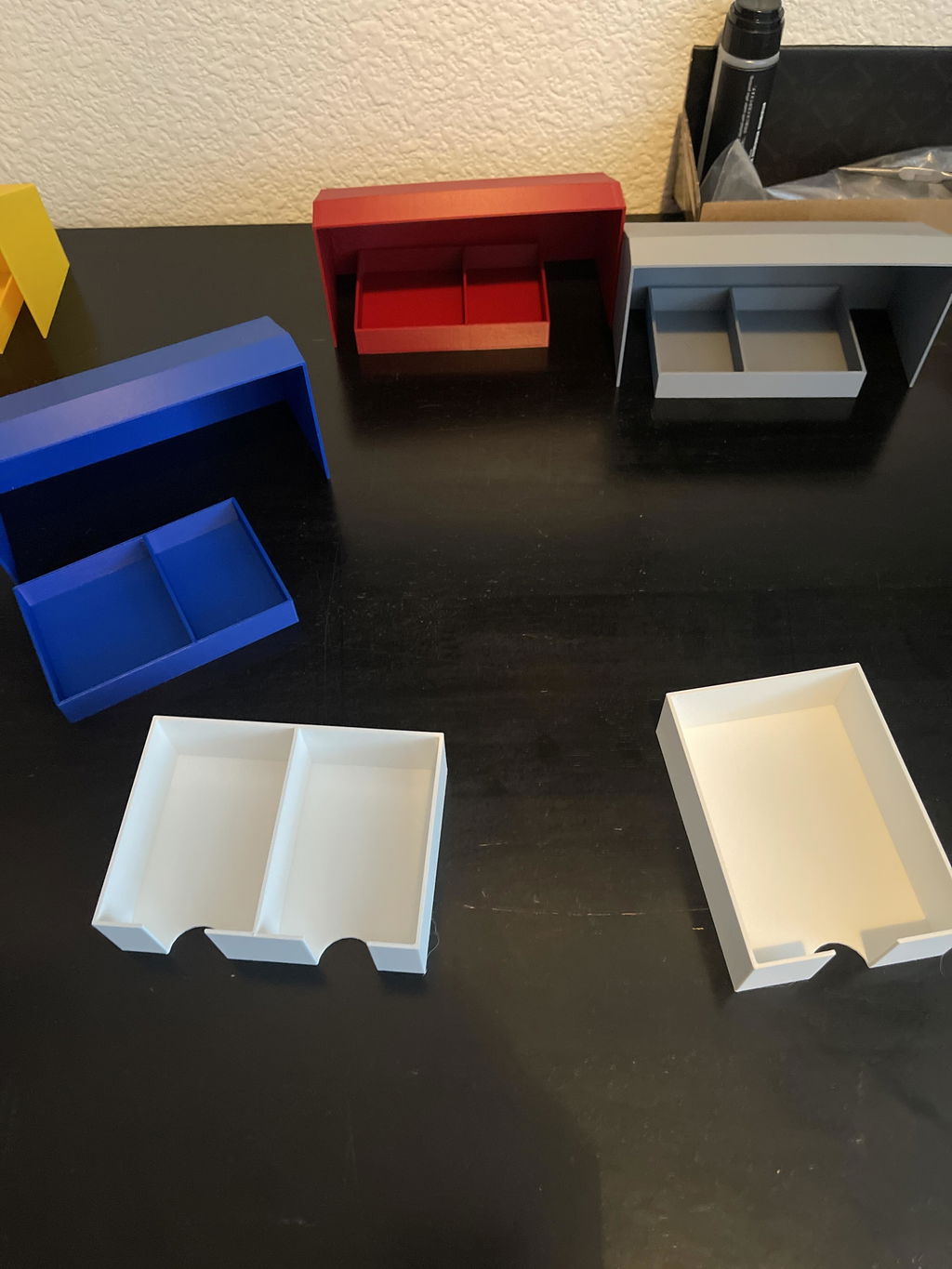
Works exactly as advertised. I used the last spool to print a Helldiver helmet, it came out sturdy and sanded easily. 10/10 would recommend for any cosplayer.
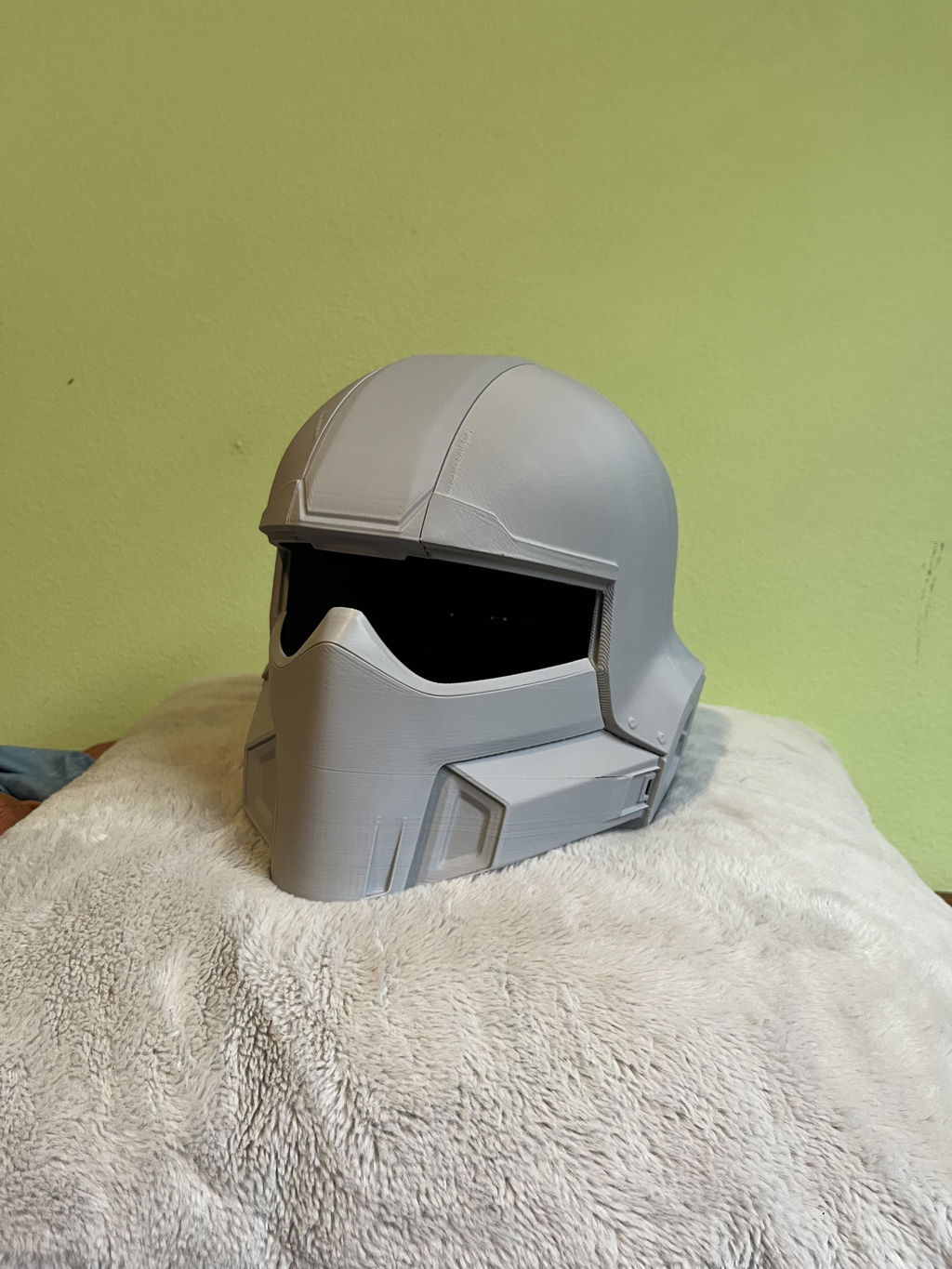
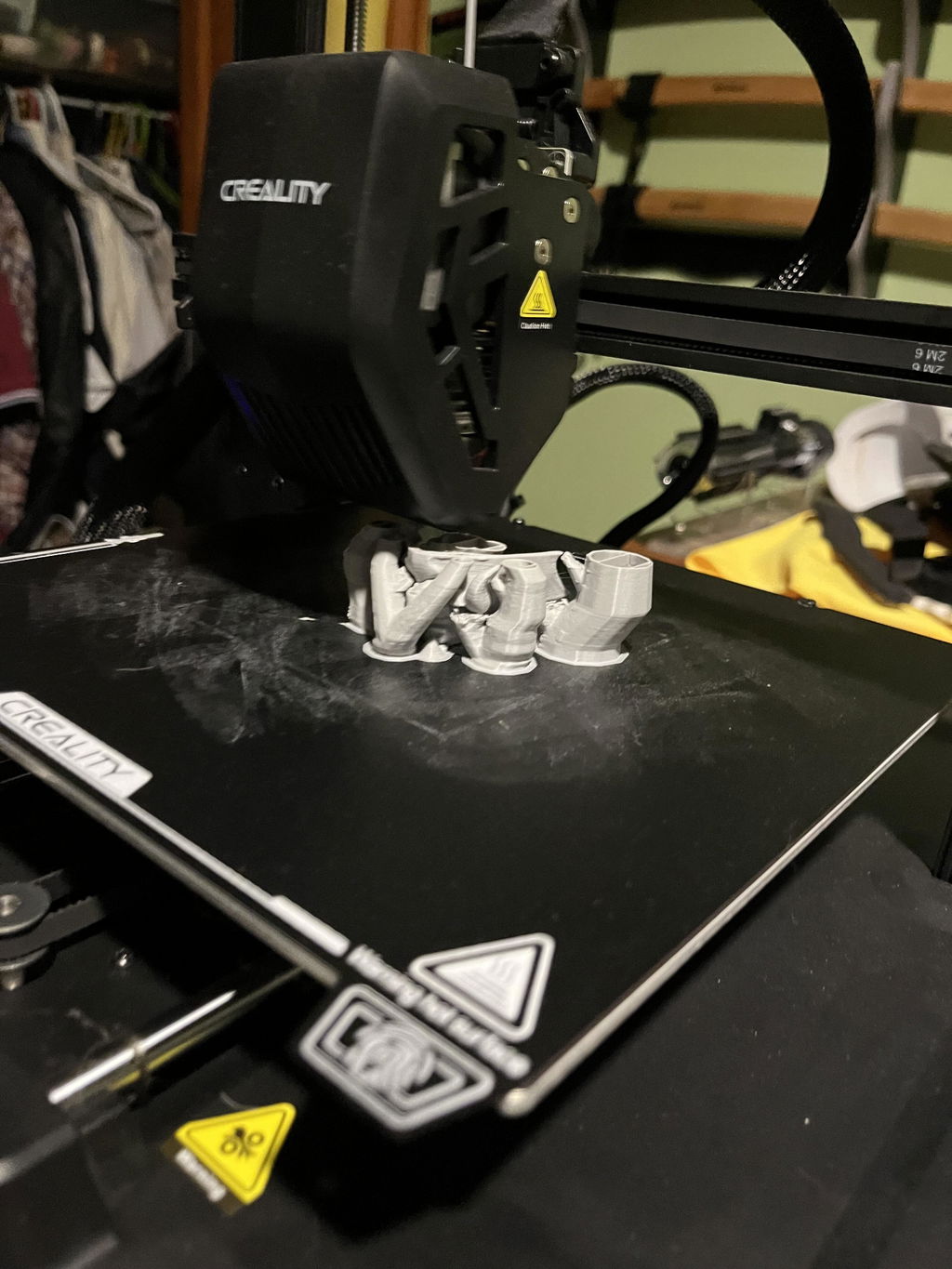
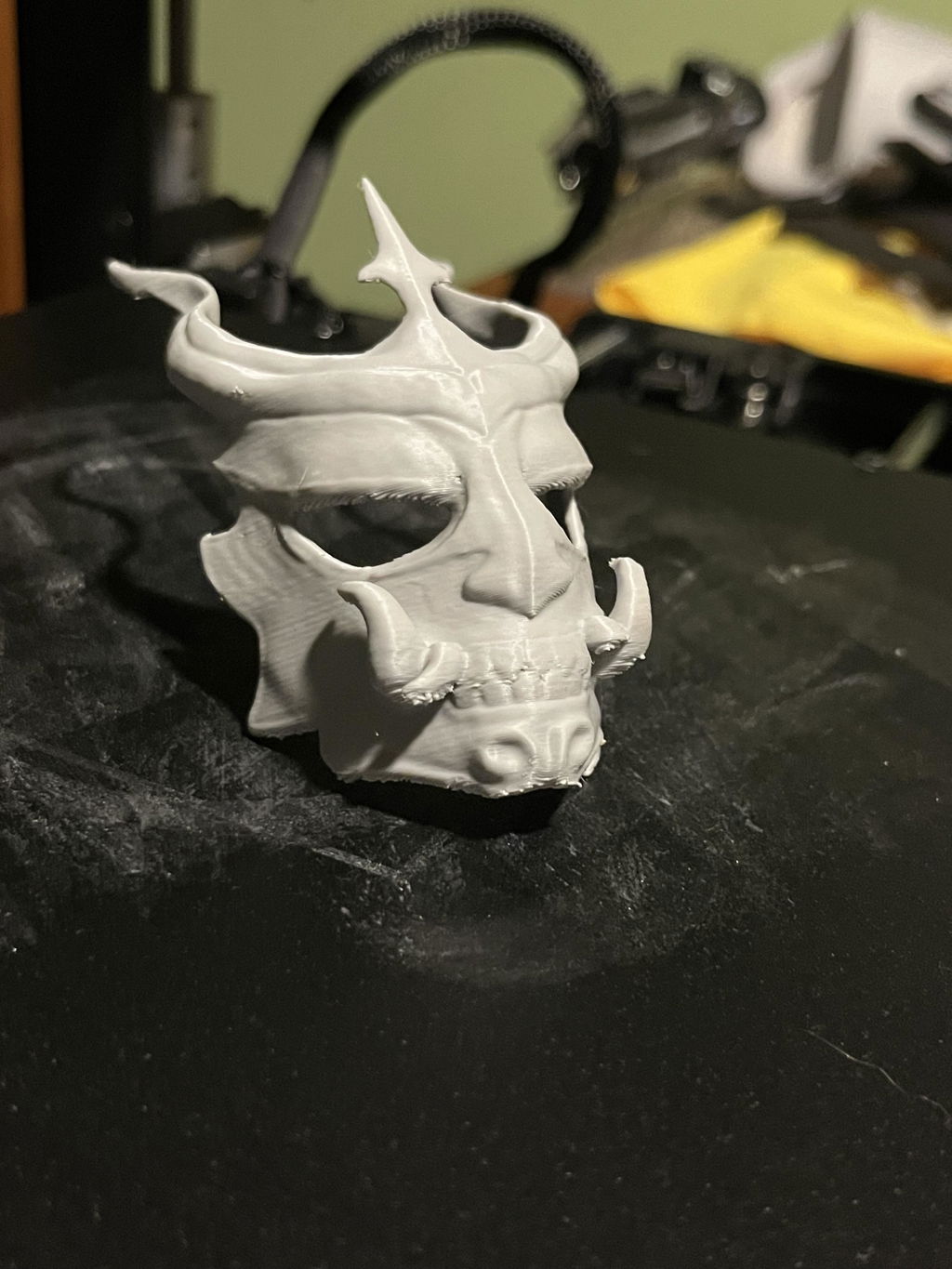
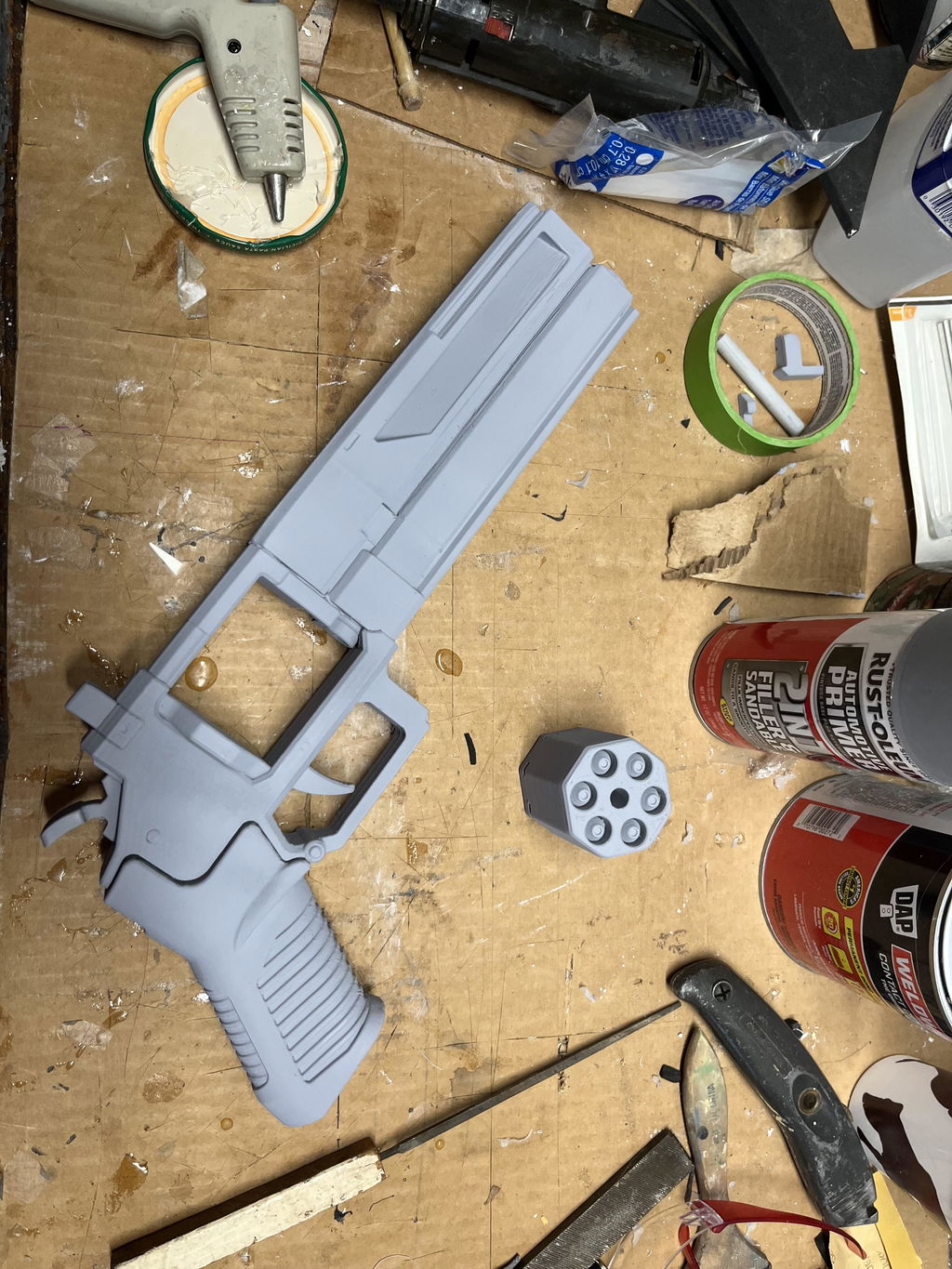
Great color option for a 5kg roll!
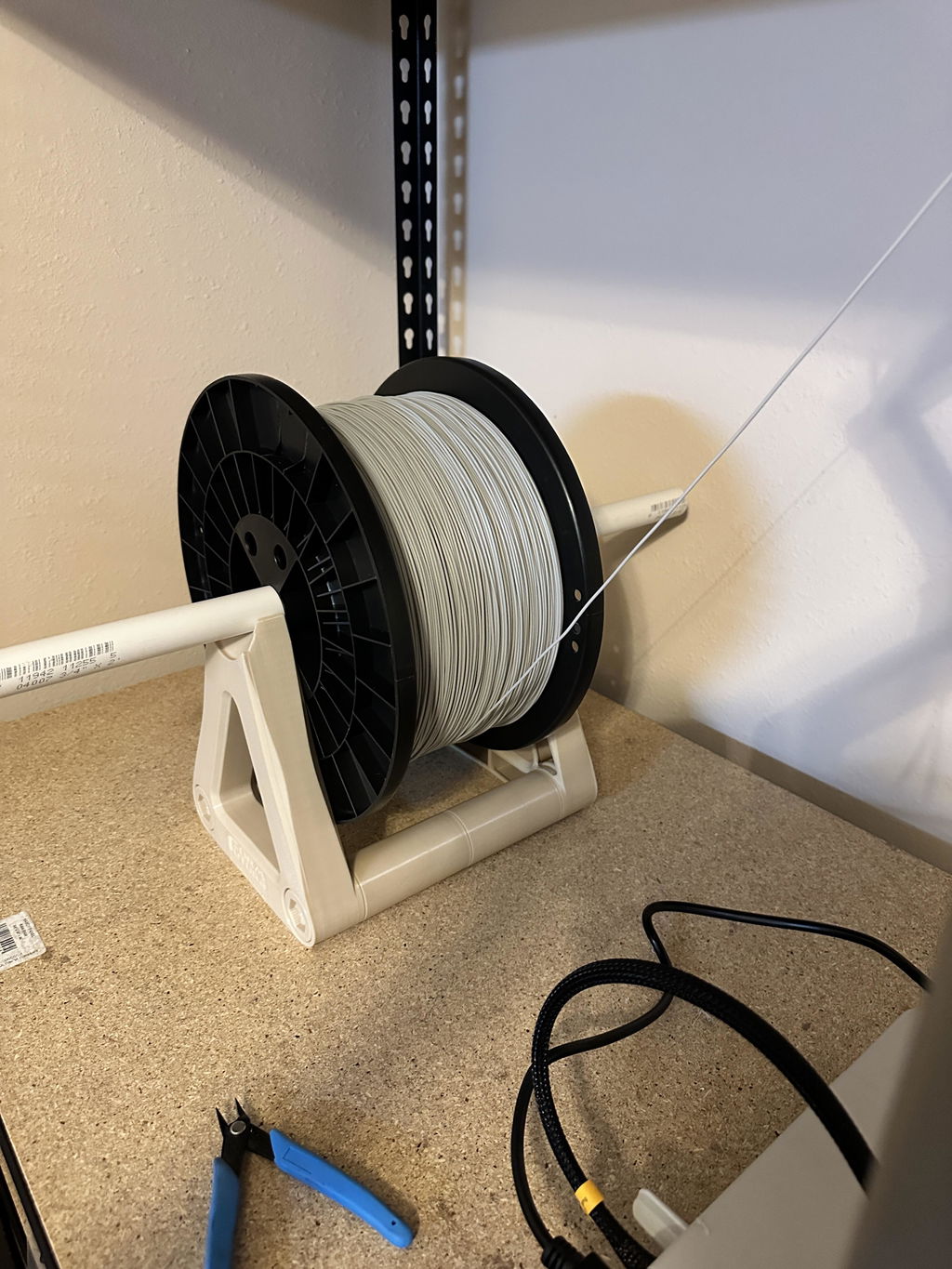
Printed great for my Jedi Temple Guard I am working on.
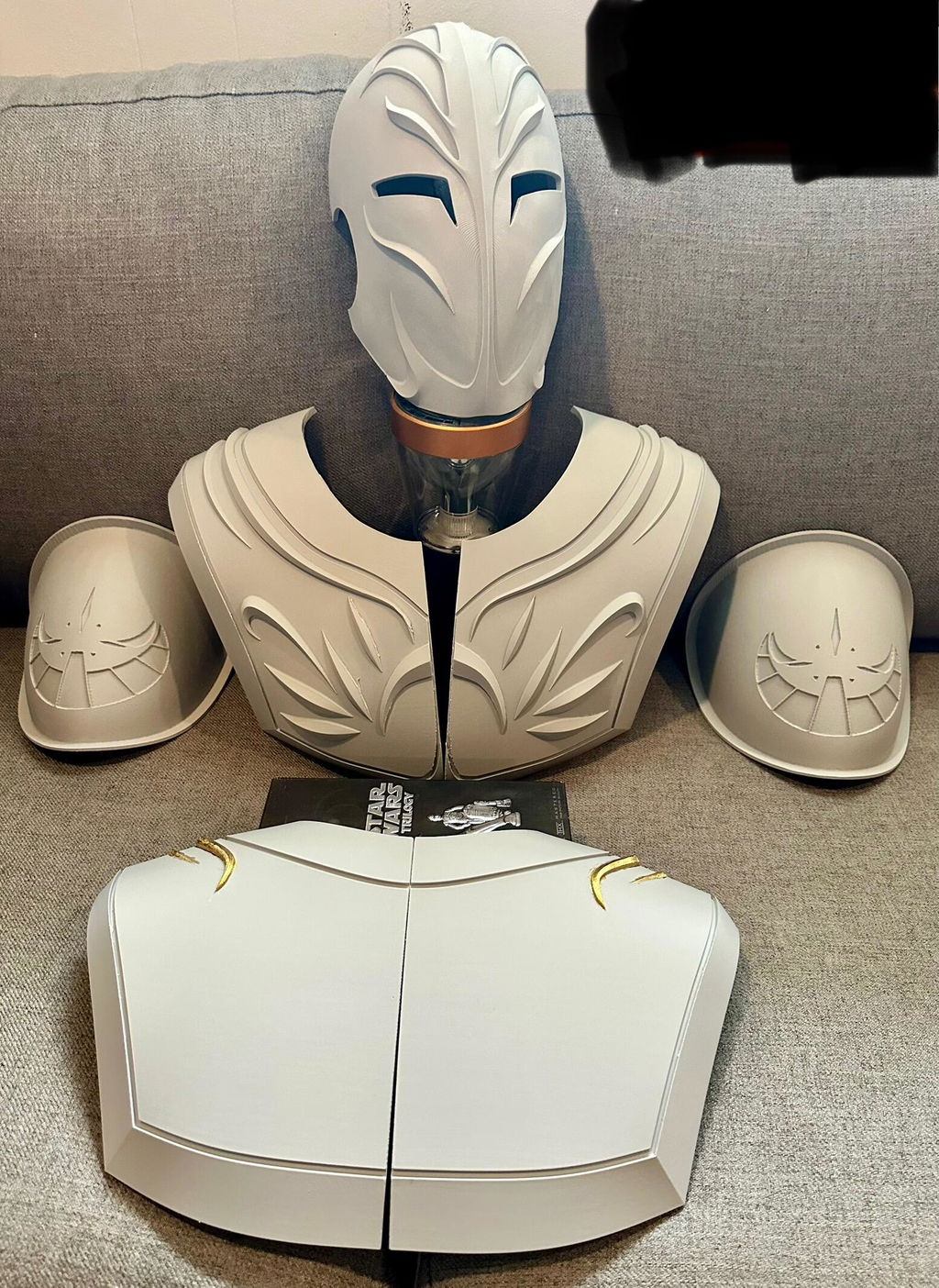
I'm really loving this PLA. It's very durable and looks great once it's sanded and painted.
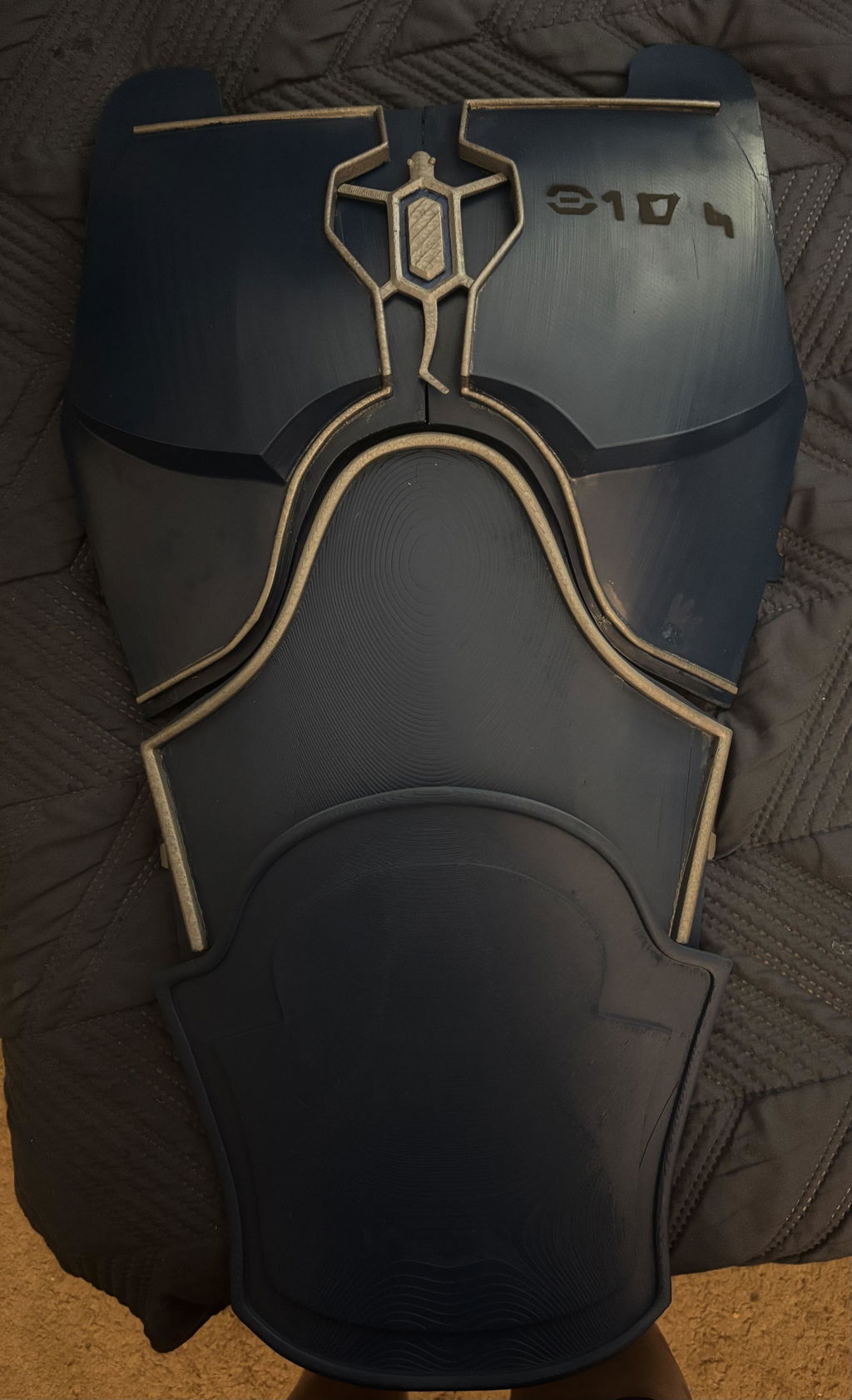
The cosplay PLA has been my go-to material for my armor and props. After sanding, it doesn't need that much filler or UV resin for the surface unless there are uneven layers due to the machine.
One thing I do recommend is annealing your prints before sanding and painting.
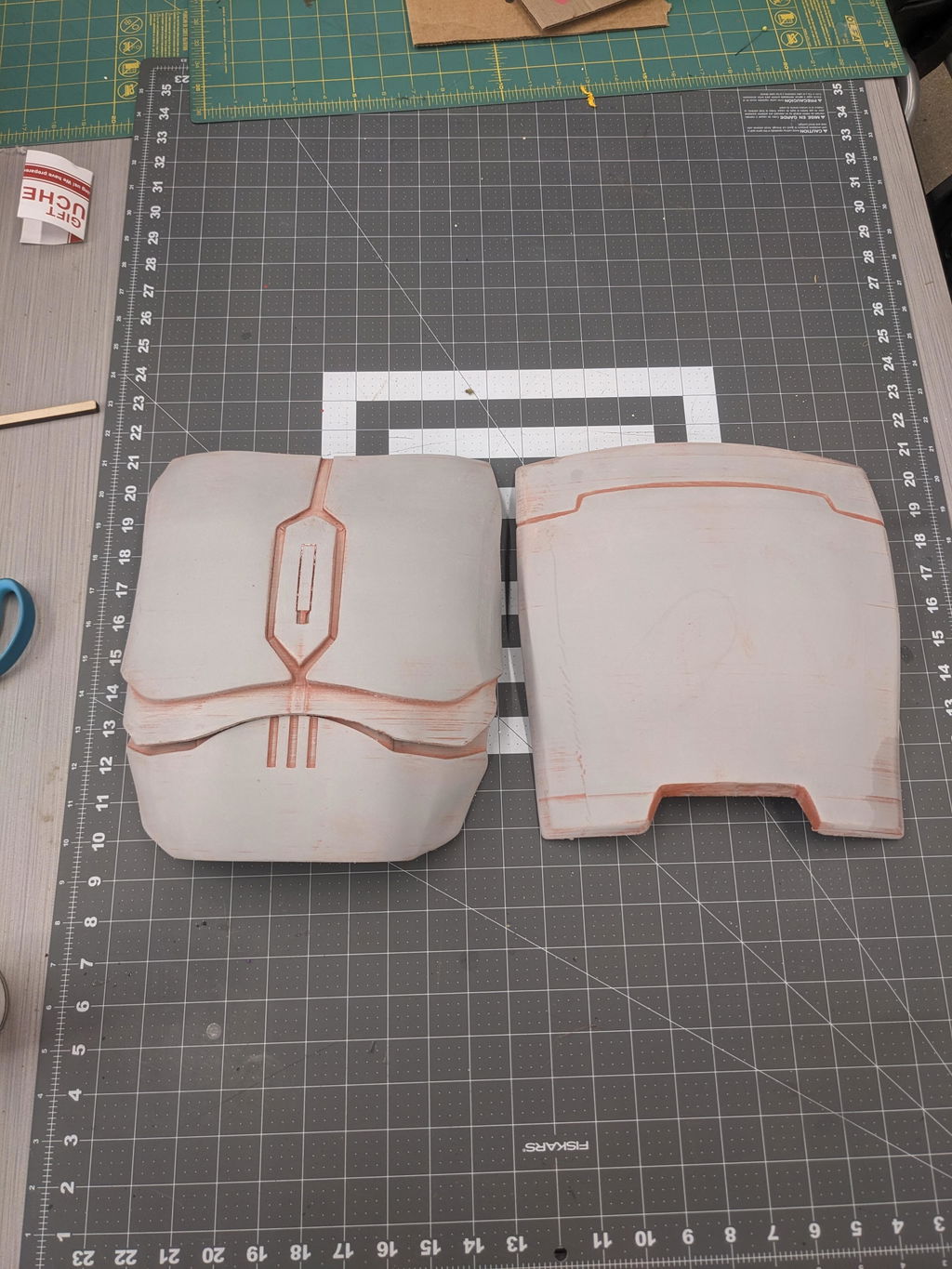
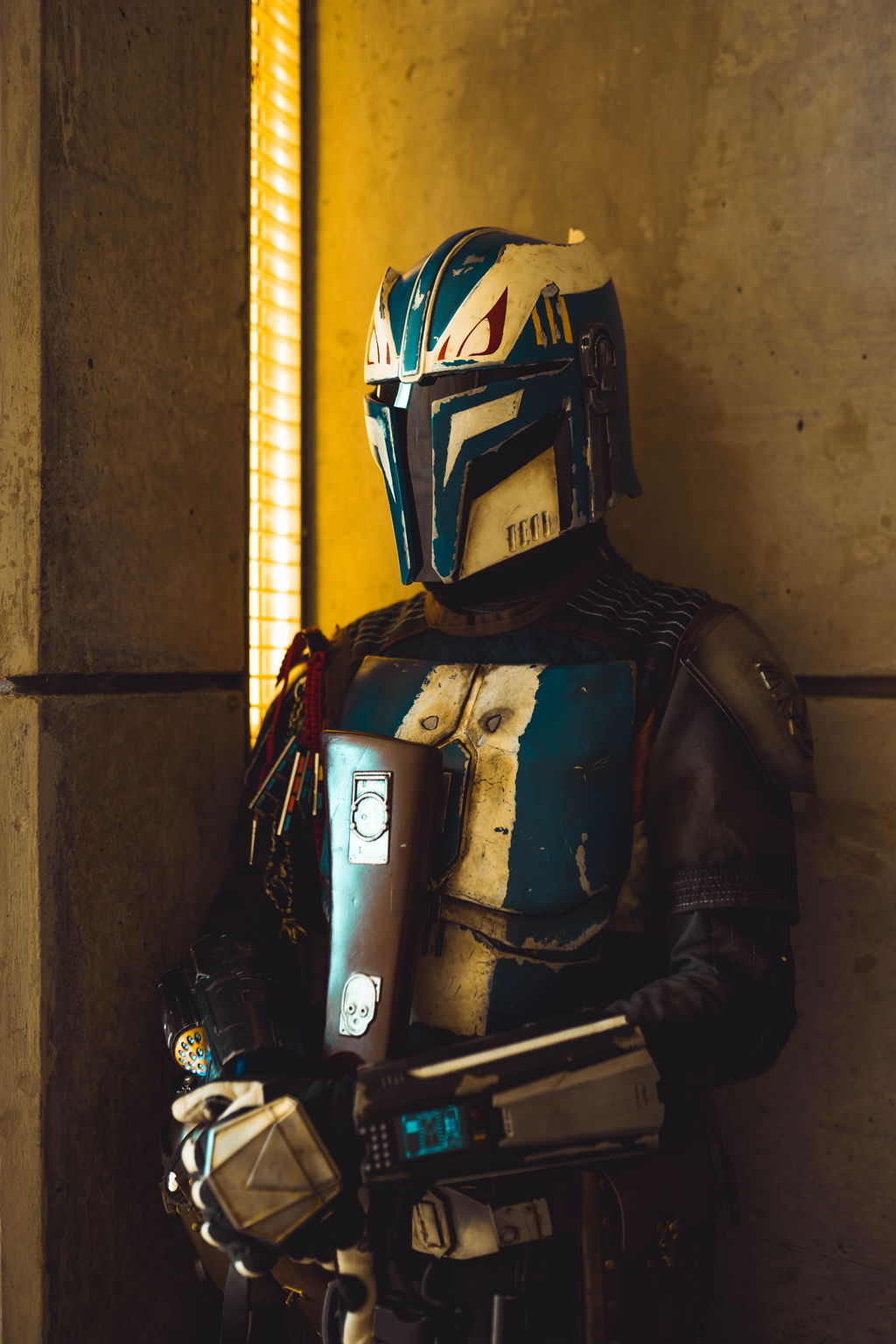
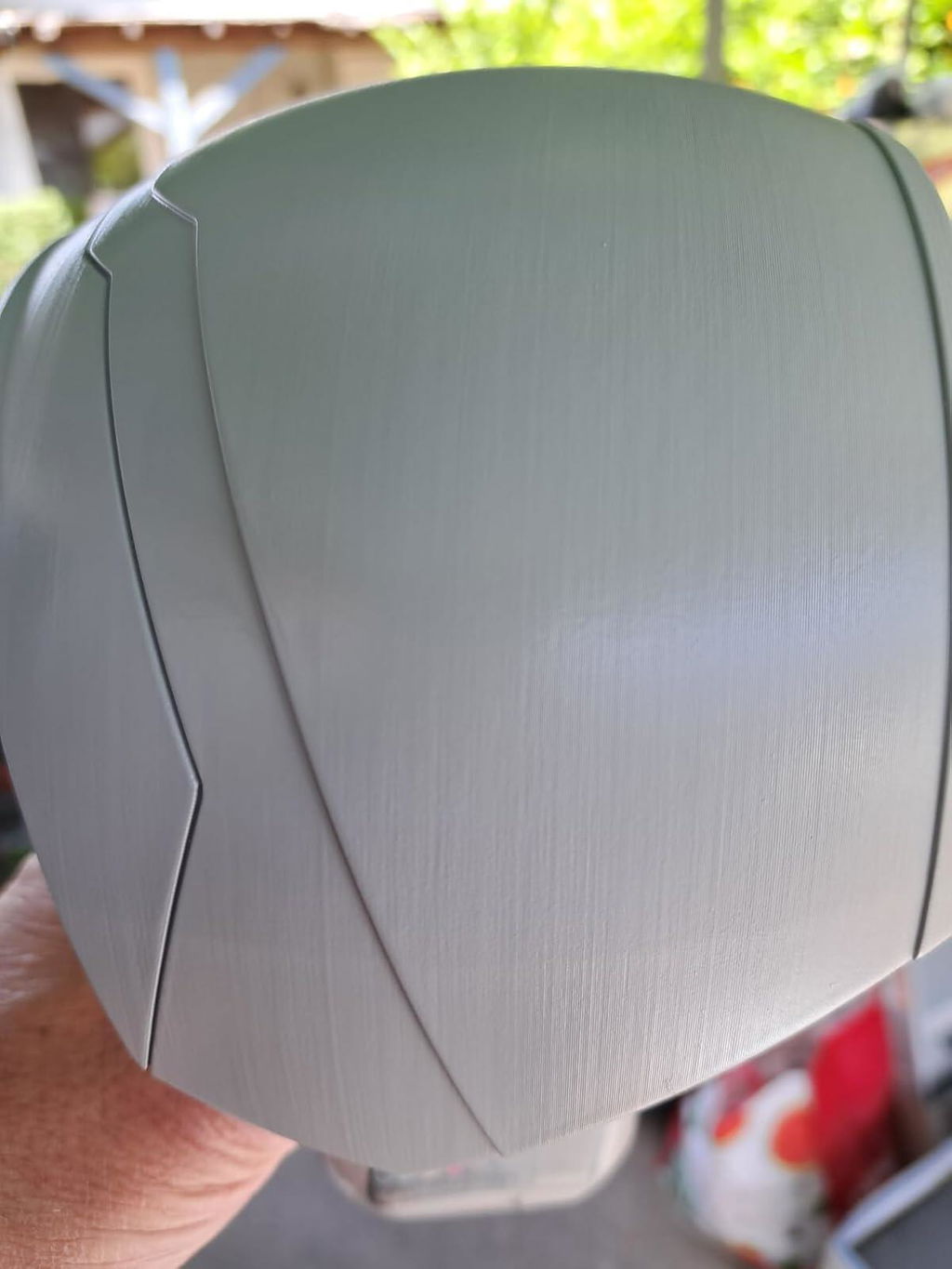
Ignore the naysayers this is fantastic filament shown above is printed then 5m of sanding and a fast prime. Please stock more asap
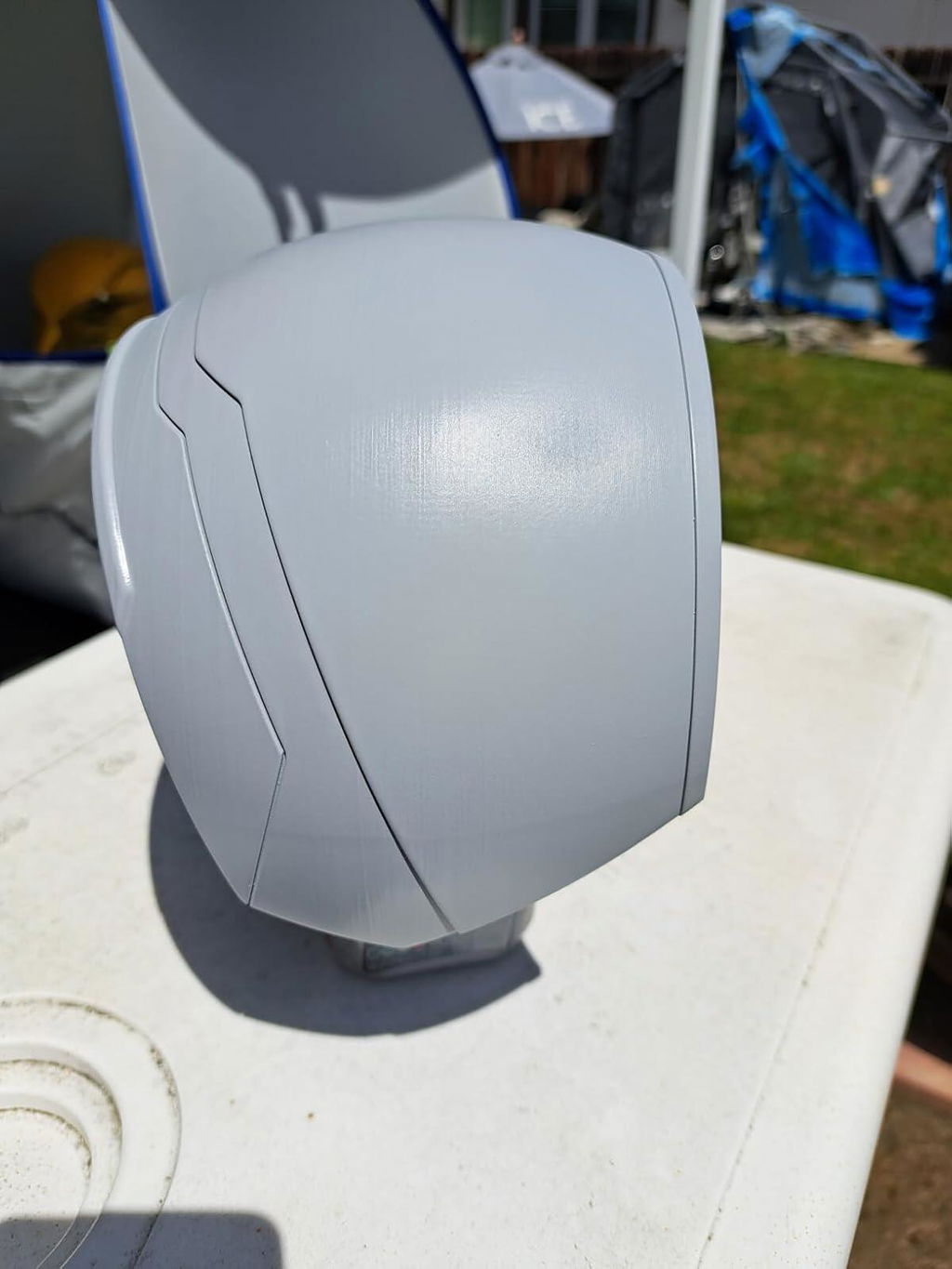
So I have not yet gotten to the finishing part so I can't speak for it's sandability, but I have never had a filament where the supports came off so easily! Normally I have to fight with them and end up with my fingers wrapped in Band-Aids. I have even put my scraper through my finger trying to pry them off... and yet with this filament they just came right off easily. No Band-Aids required afterward! I honestly wish I had caved and bought this filament a lot sooner because this would have saved me a lot of headache, but now I know that I am definitely going to be buying more so that I no longer shed blood over prints.
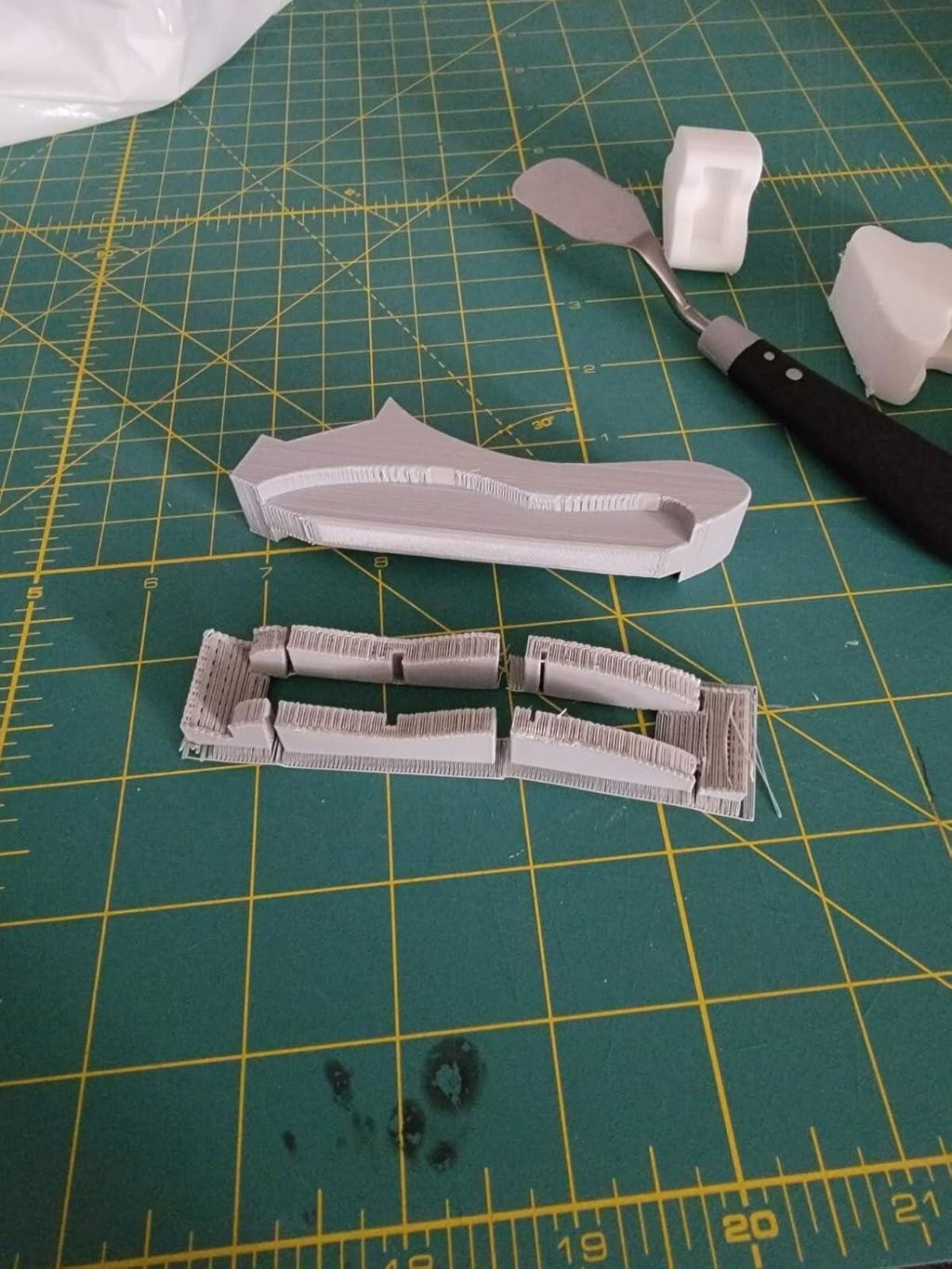
Pretty good.
Absolutely LOVE this filament. It's my "go-to" filament for printing my 3D models. It's easy to print, easy to sand/prep, and lightweight. Doesn't get any better.
Filament itself is sound, always have good prints and minimal errors. Does indeed sand pretty easily. Printing with5 walls or more and you will be able to drop your props without a worry.
This is definitely easier to sand to get rid of layer lines. A few minutes with a rougher grit, then filler primer, and you've got a completely smooth surface. Easy to print and overall excellent quality filament.
Great material for making Cosplay items. Prints flawlessly and is easy to sand and paint. Durable and somewhat flexable. Much easier to use comming from PETG. My number one choice for for most prints.
Great product to make alot of prints! No need to change filament mid print.
It is okay but not as strong…. Will NOT BUY THIS AGAIN
Prints well even at higher speeds, durable, easy to sand away any layer lines and takes paint easily. As advertised! Love it!
Great for cosplay items, smooth print, easy to sand
I really like this filament and will be ordering a lot more! I'm printing Mandalorian armor for the family with it! It is easy to sand, fill, and paint on and pretty strong.
Spool was nicely wound, filament diameter consistent, and print perfectly in my X1C. Smooth prints that sand super easy, layer adhesion feels great when stress testing and the plastic isn’t very brittle(as far as PLA goes). After printing with several kg of this it will be my new go to filament moving forward.
I love this filament. I'm currently working on some custom Mando armor and this has helped the sanding process.
I love this product. It is easier to sand, and with a few adjustments to extruder temp, flow rate and print speed it prints beautifully on my Anycubic MegaX and I3 Mega S.
Looks great and easy to work with. Would be nice if the price could come down
Prints perfectly
