


5-10 days
Payments
Description
Description
PolyLite™ PC: Translucent, Heat Resistant, and Stiff
Engineered Polycarbonate for 3D Printing
PolyLite™ PC is crafted from a polycarbonate resin specifically designed for 3D printing, ensuring reliable performance and ease of use. This formulation provides excellent stiffness and heat resistance, making it suitable for demanding applications.
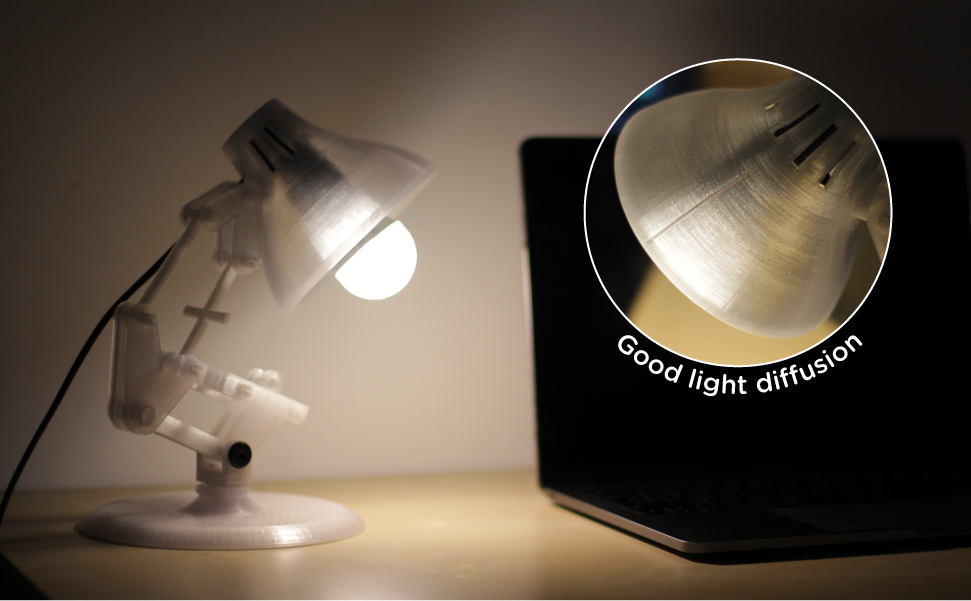
Light Diffusing and Translucent Properties
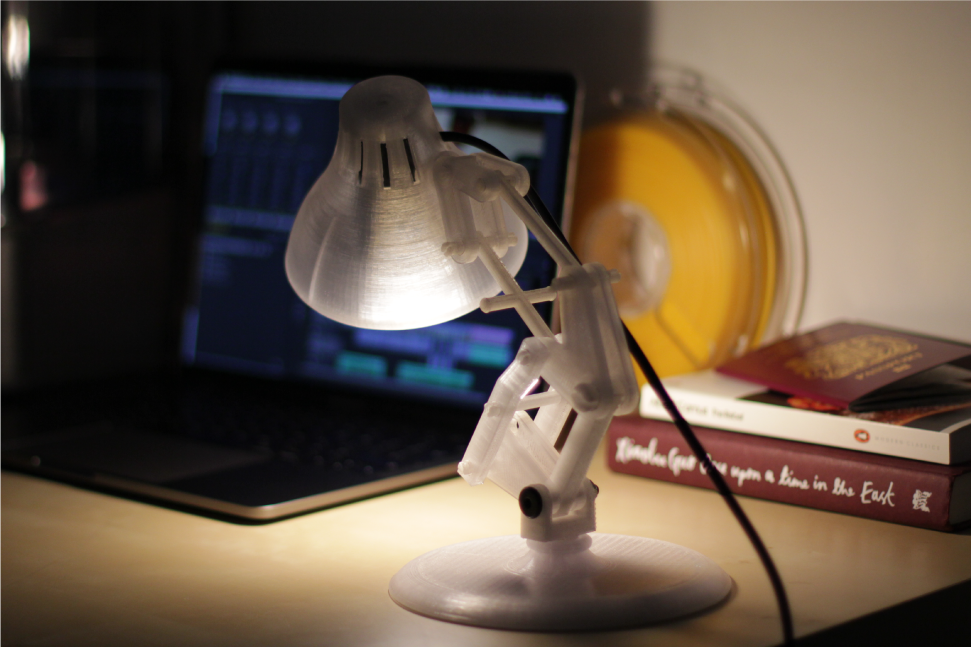
With its impressive translucency, PolyLite™ PC allows light to pass through, making it an excellent choice for projects that require light diffusion or aesthetic illumination effects.
Simple Printing with Enclosure
For best results, print PolyLite™ PC in an enclosure that traps ambient air. This helps maintain stable temperatures and produces stunning, high-quality prints with minimal warping.
Ideal for Functional and Aesthetic Parts
Choose PolyLite™ PC when you need a filament that combines stiffness, heat resistance, and beautiful translucency - perfect for both functional components and visually striking models.
Printing Requirements
Print Settings
Print Settings

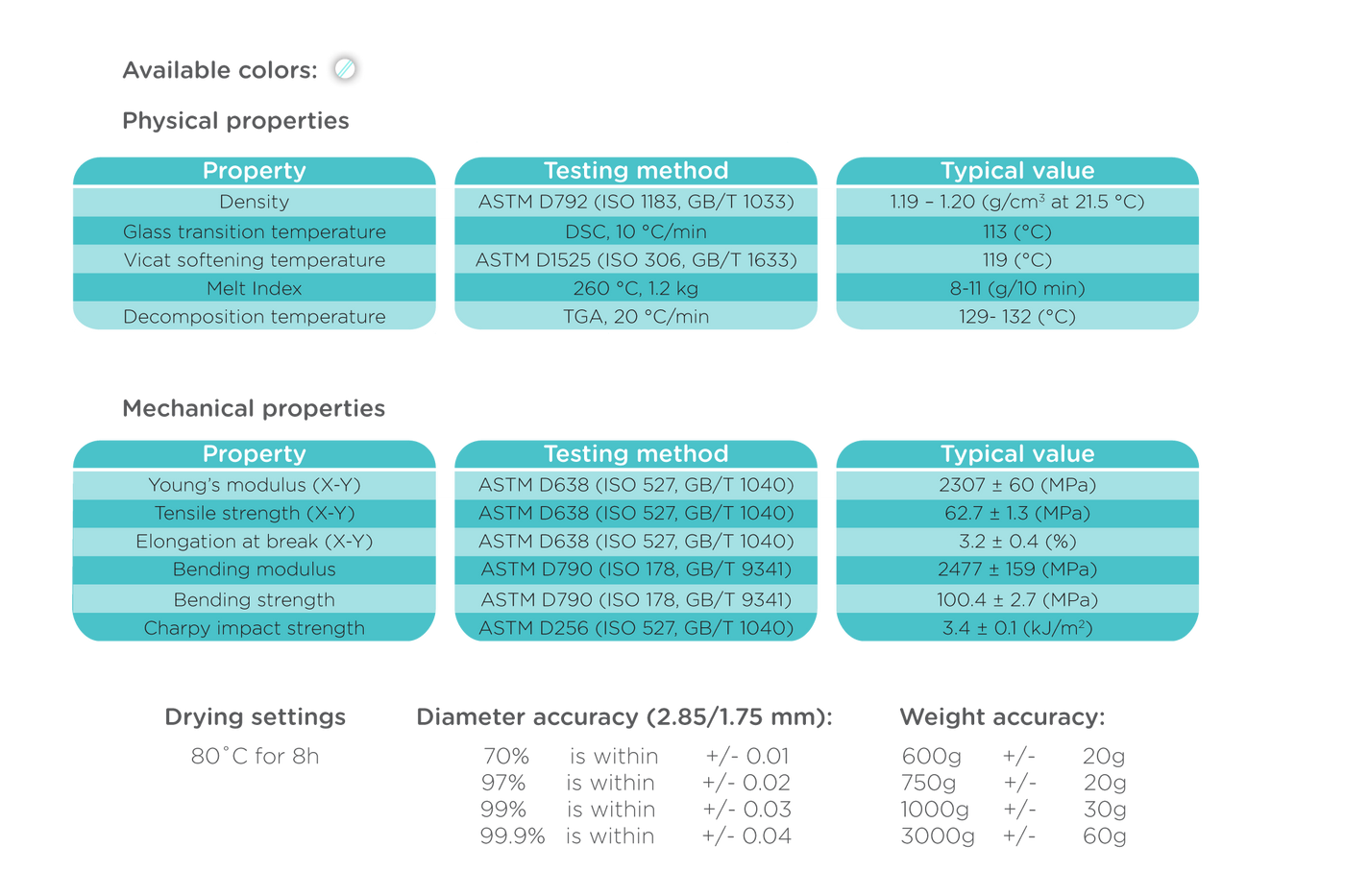
Technical Specifications
Everything you need before you hit print
- Keep the filament sealed and dry; use the listed 75°C / 6h drying cycle if moisture-related defects appear.
- Use an enclosure, avoid drafts, and maintain the recommended bed temperature to reduce warping and layer separation.
- Use an all-metal hotend and print from a dry box because this engineering material requires high temperature and strict moisture control.
- Start within the recommended 250 - 270°C nozzle and 90 - 105°C bed ranges, then make small adjustments for the printer and model.
- Use the recommended OFF cooling-fan setting and keep printing speed within 50 - 200 mm/s.
| Property | X-Y | Z | Value | Method |
|---|---|---|---|---|
| Density | — | — | 1.19 g/cm³ Important | ISO 1183 |
| Tensile strength | 69.1 MPa Important | 52.8 MPa Important | — | ISO 527 |
| Elongation at break | 4.8 % Important | 2.7 % Important | — | ISO 527 |
| Bending strength | 106.1 MPa Important | — | — | ISO 178 |
| Bending modulus | 2640 MPa Important | — | — | ISO 178 |
| Young's modulus | 2497 MPa Important | 2371 MPa Important | — | ISO 527 |
| Charpy, notched | 4.1 KJ/m² Important | — | — | ISO 179 |
| Glass transition temperature (Tg) | — | — | 113 °C Important | ISO 11357 |
| Vicat softening temperature | — | — | 120 °C Important | ISO 306 |
| HDT (0.45 MPa) | — | — | 111 °C Important | ISO 75 |
| HDT (1.8 MPa) | — | — | 107 °C Important | ISO 75 |
Tested on 100% infill specimens. X-Y = across the layers, Z = between the layers (layer adhesion).
Frequently Asked Questions
Got questions? We've got answers. From choosing the right material to caring for your spools, here's everything you need to know in one spot.
