5-10 days
Payments
Description
Description
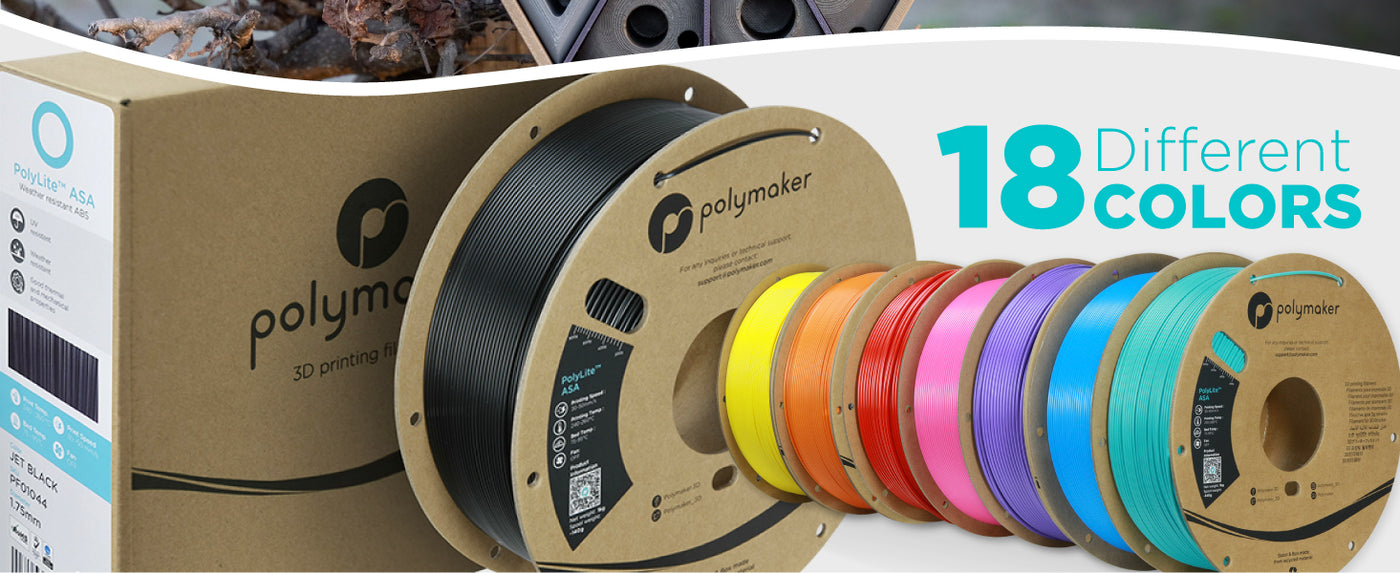
Polymaker™ ASA Filament: UV Resistant, Outdoor-Ready Performance
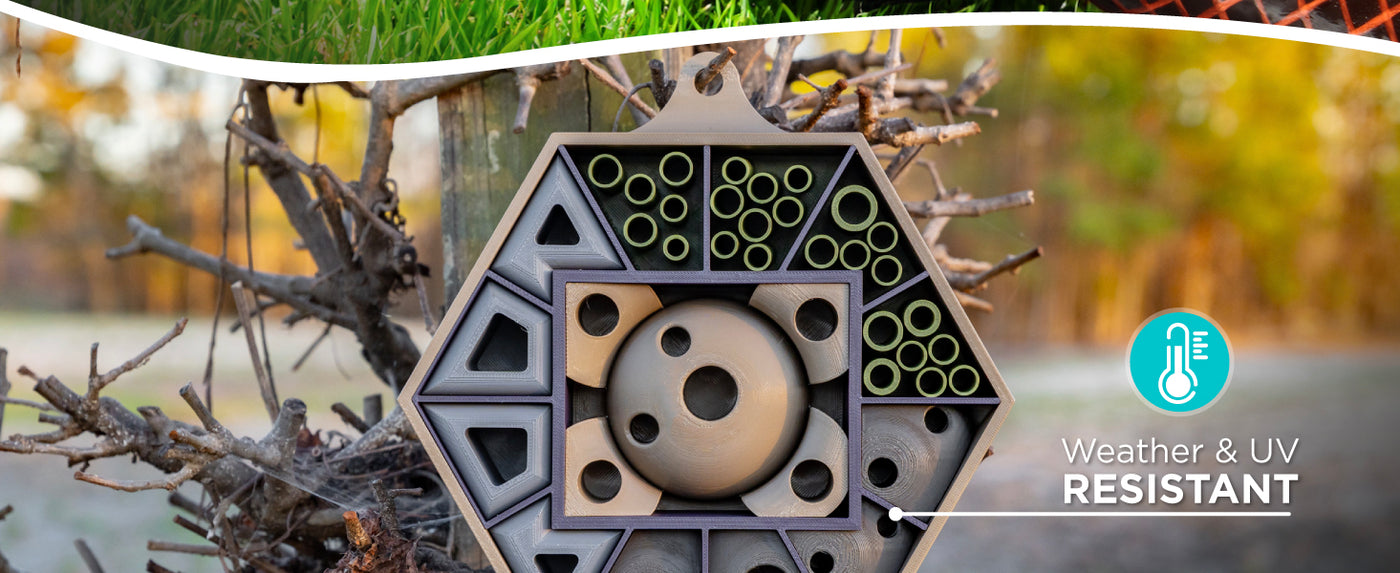
Superior Weather and UV Resistance
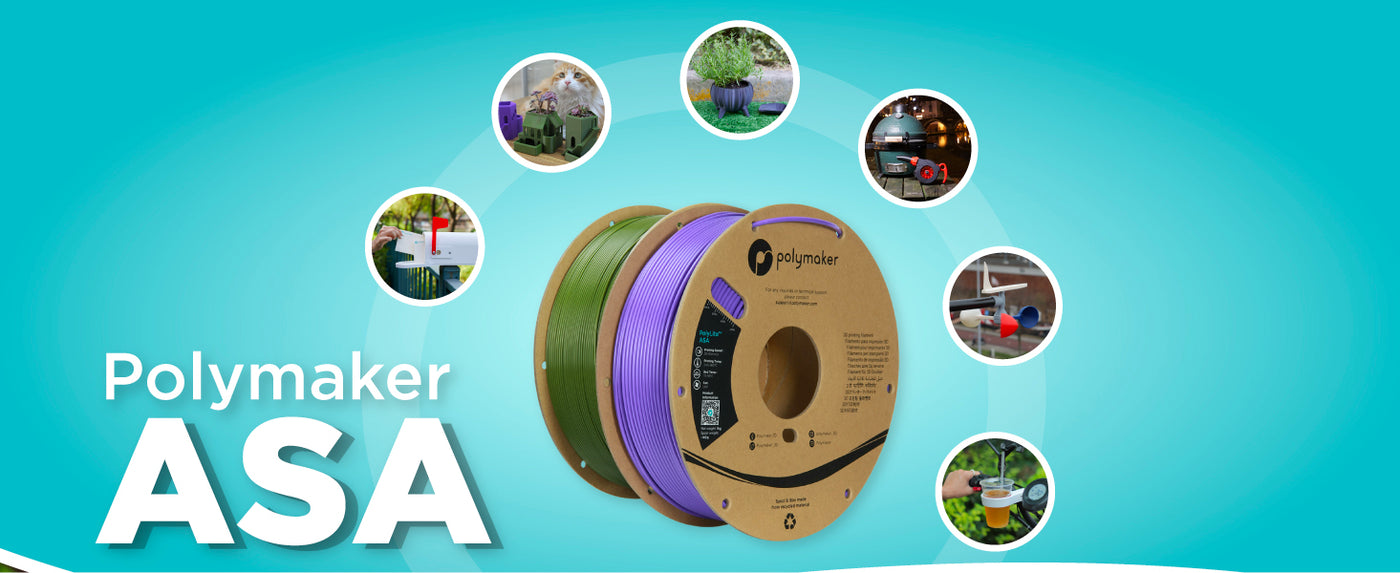
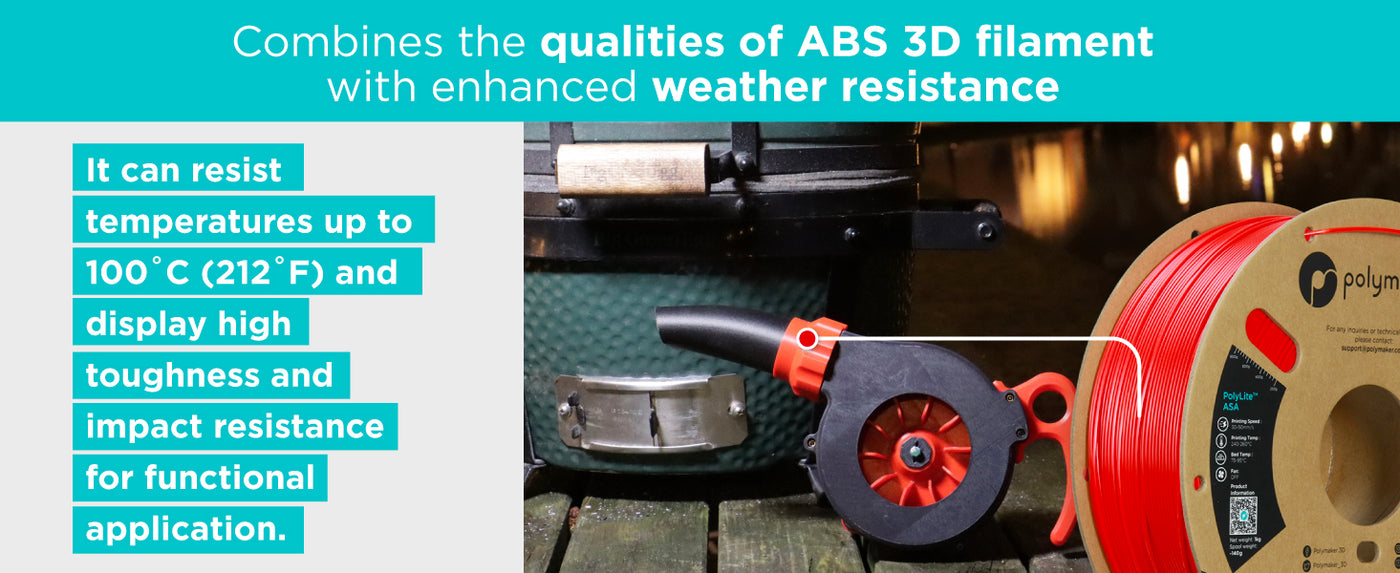
Polymaker™ ASA is engineered as an advanced alternative to ABS, offering improved weather resistance and excellent UV stability. This makes it the ideal filament for outdoor applications where exposure to sunlight and the elements is a concern.
Robust Mechanical Properties
With mechanical strength and durability comparable to ABS, Polymaker™ ASA delivers reliable performance for functional parts, enclosures, and prototypes that need to withstand real-world conditions.
Easy Transition from ABS
Polymaker™ ASA prints with settings very similar to ABS, making it easy to switch for users familiar with ABS printing. Simply use an enclosed 3D printer to ensure optimal temperature control and minimize warping.
Perfect for Outdoor and Functional Parts
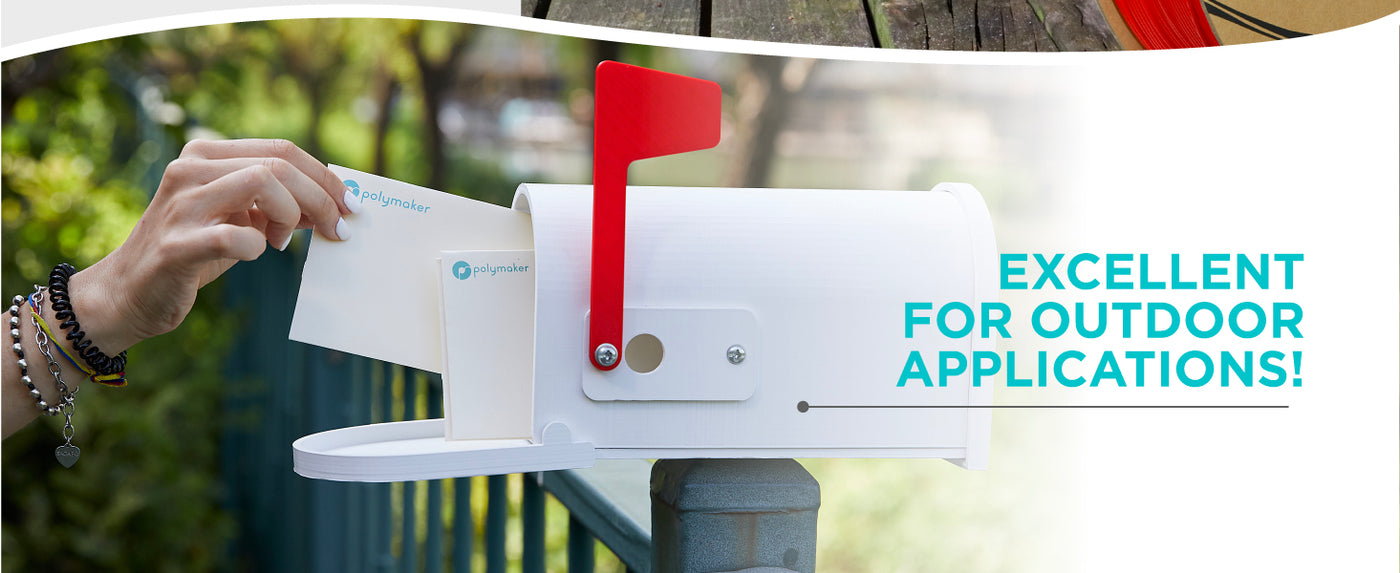
Choose Polymaker™ ASA for any project that demands UV resistance, weather durability, and strong mechanical properties- perfect for outdoor use and long-lasting results.
Note: PolyLite ASA is now Polymaker ASA. You may still receive the old packaging as we transition.
Printing Requirements
Print Settings
Print Settings
Polymaker™ ASA Filament
- UV Resistant
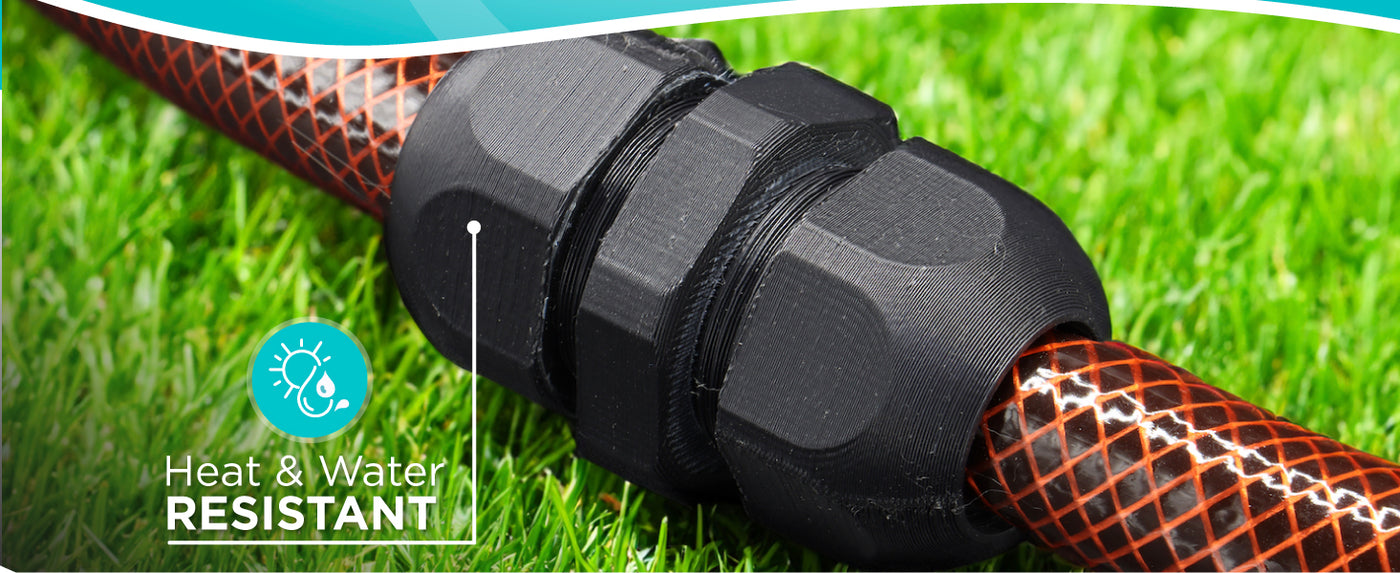
- Heat Resistant
- Strong & Durable
- Chemical Resistant
- Post-Processing
Polymaker™ ASA Filament - Black / 1kg is backordered and will ship as soon as it is back in stock.

Technical Specifications
Everything you need before you hit print
- Drying: ASA has low moisture uptake. If the filament has only been exposed briefly under normal conditions, drying at 70°C for 4 hours is typically sufficient. Use the TDS-recommended setting of 70°C for 7 hours after extended exposure or when moisture-related print defects appear.
- Build Plate: Apply a suitable adhesive as a release layer, and let the build plate cool before removing the print.
- Temperature and Speed: Use a nozzle temperature of 230-260°C, a bed temperature of 75-95°C, and a print speed of 50-200 mm/s. For faster printing or improved layer adhesion, use 240-260°C.
- Warping and Layer Adhesion: Use an enclosure, avoid drafts, and keep the cooling fan off. Print in a well-ventilated area.
Frequently Asked Questions
Got questions? We've got answers. From choosing the right material to caring for your spools, here's everything you need to know in one spot.
What is the difference between ASA and ABS?
Do you have test results for UV resistance with ASA?
Can Polymaker™ ASA be post-processed with Acetone?
Will the spools work in an AMS?
Is this material food safe?
Do you sell refills?
Customers praised this ASA filament for exceptional print quality, describing it as "top notch" with excellent repeatability and minimal warping. Many noted it "prints flawlessly" and is easier than PETG. Shoppers highlighted outstanding outdoor durability, UV resistance, and vibrant colors. Some mentioned minor warping with Pop Green and occasional filament tangling.
3kg spool of blue ASA.
This 3kg spool has been fantastic for printing. After some initial drying, the material has performed wonderfully with no clogs or other issues. The ASA sands and vapor smooths very well, with a really pleasing look afterwards.
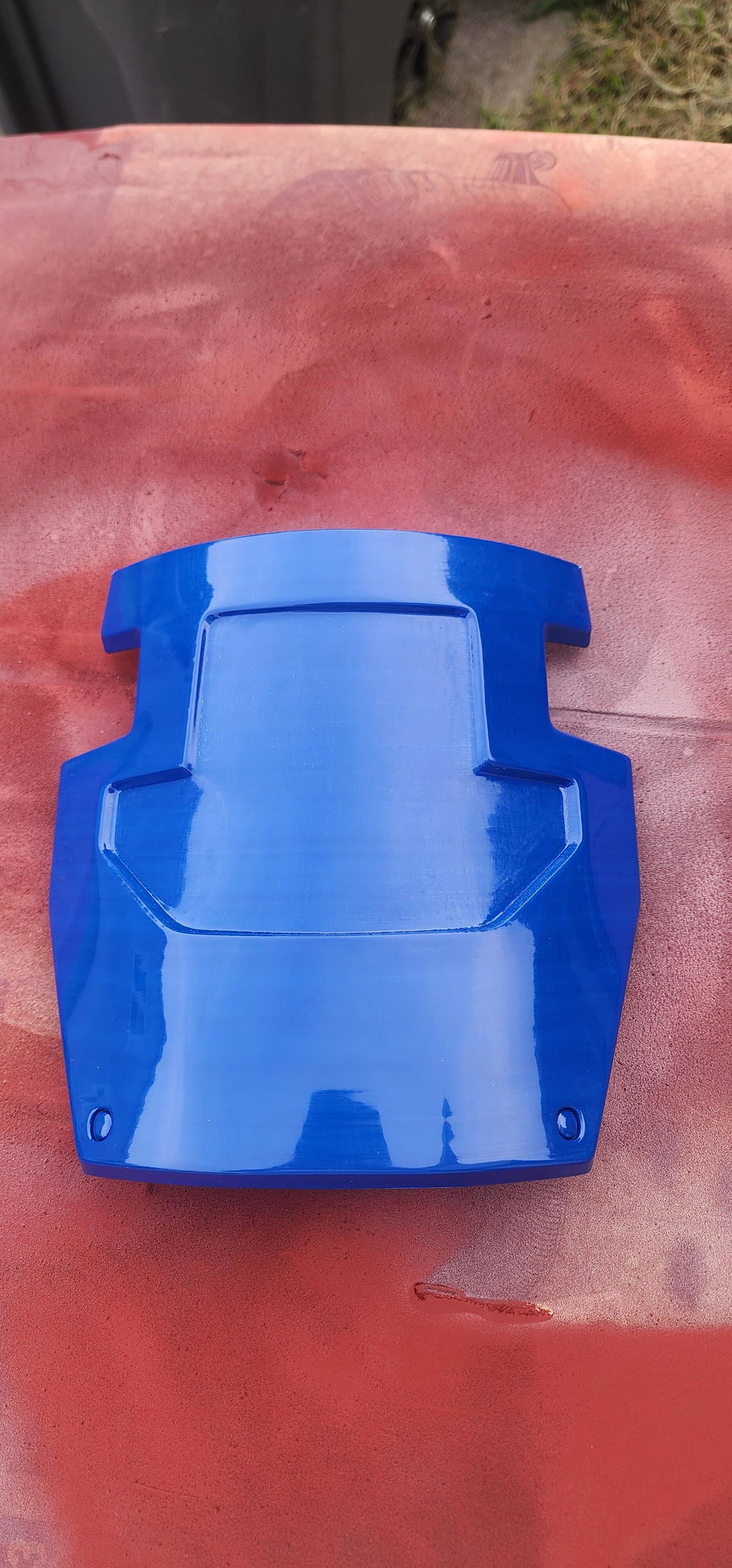
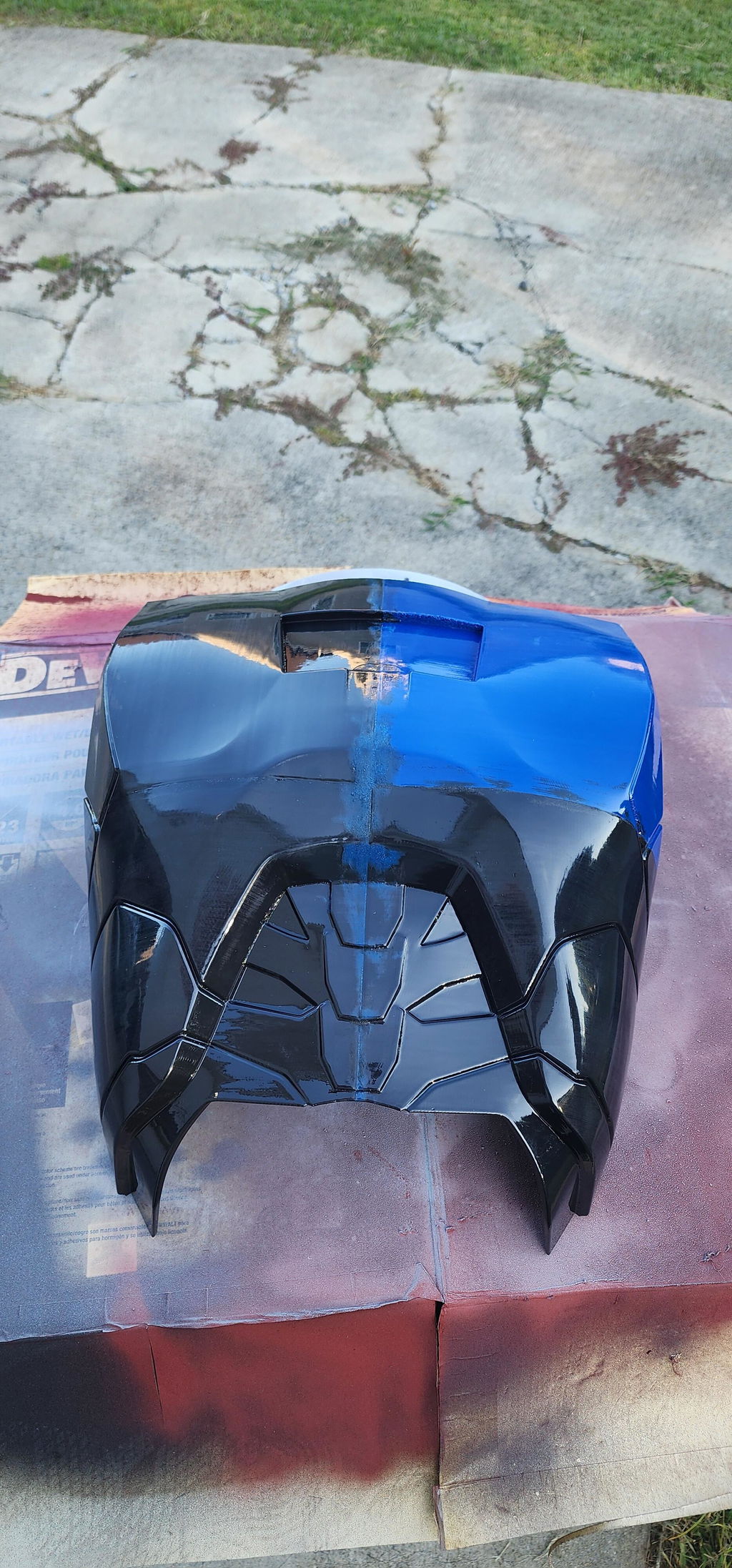
I've been using Polymaker ASA to make a variety of auto interior and exterior pieces and the quality and repeatability of the filament is top notch.
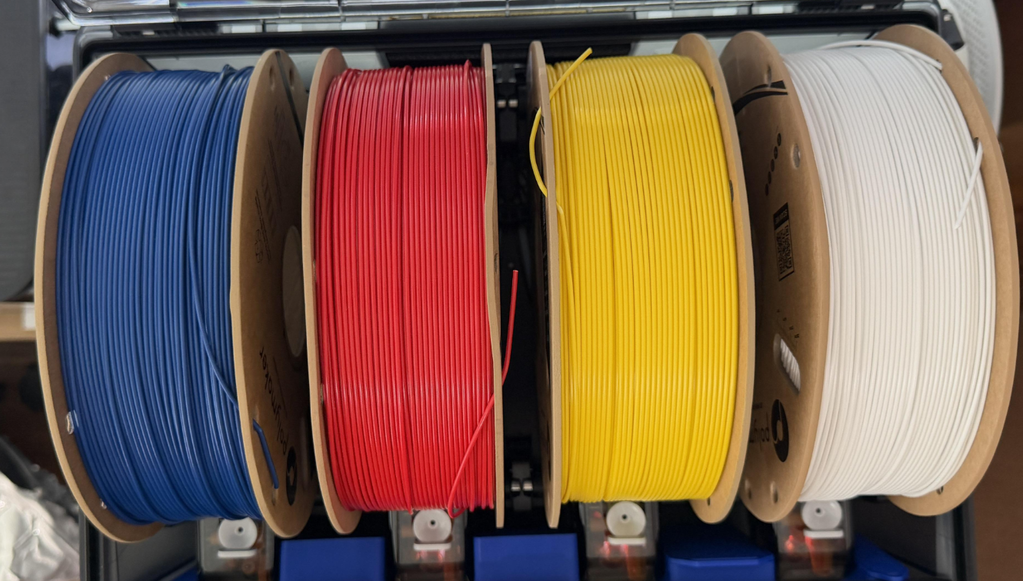
Great product for printing large large free prints on Bambu P1S's. I reguarly print 250mm large options over 12h and this ASA is faultless, thankyou!
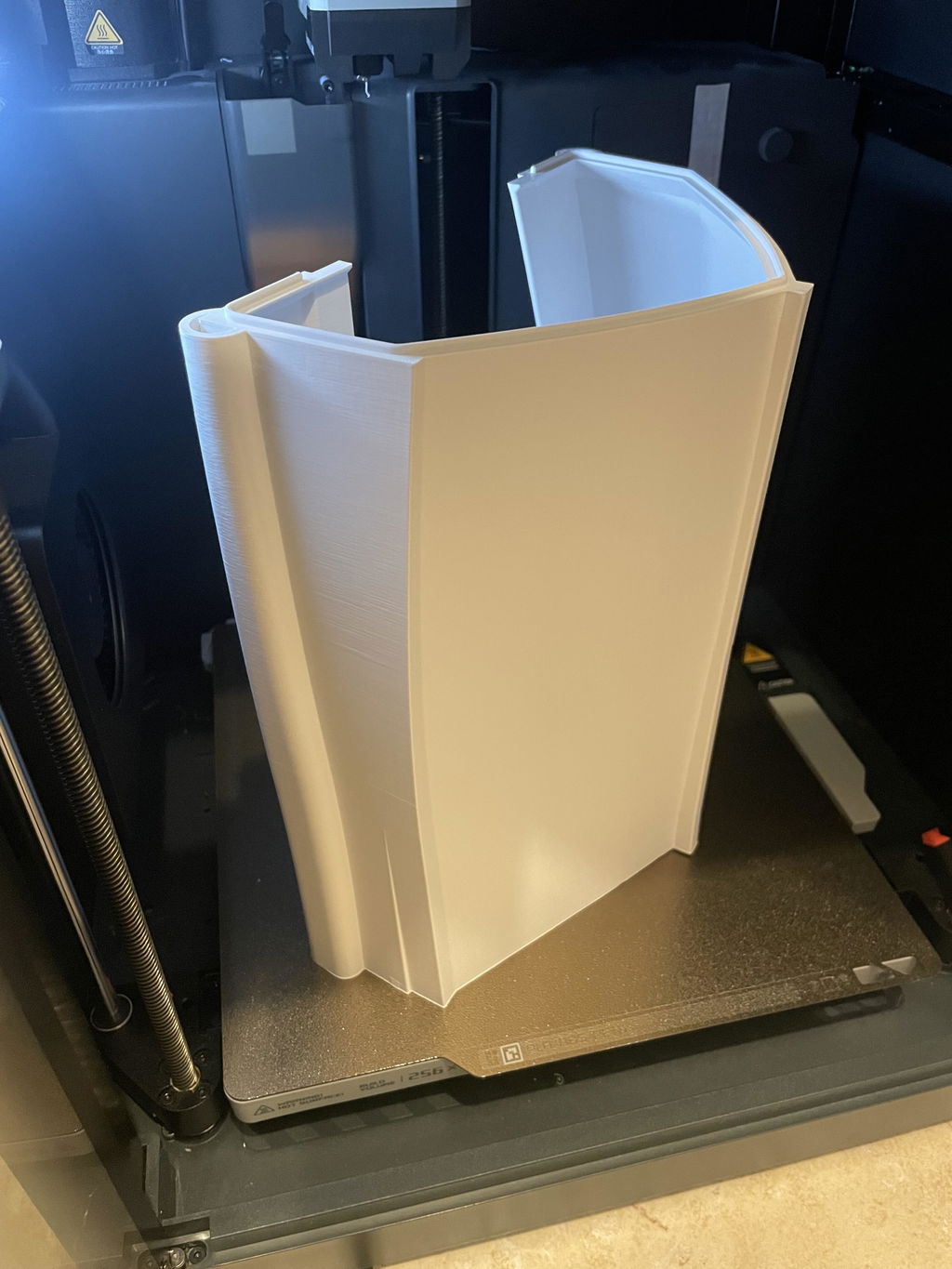
Always an easy print with Polymaker ASA. Lays down smooth. Prefer to print with this over PETG.
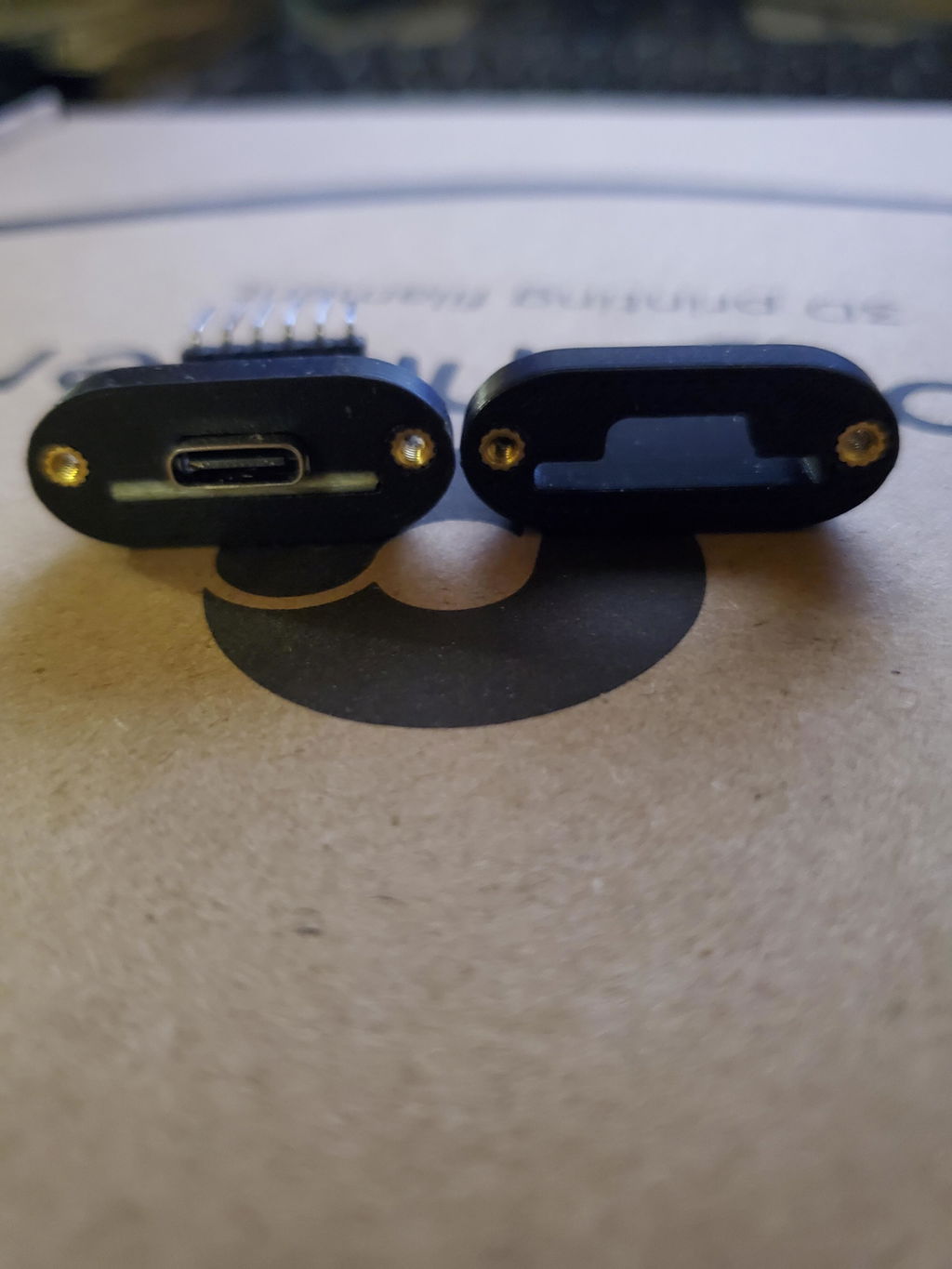
Love the color and material, 100% recommend
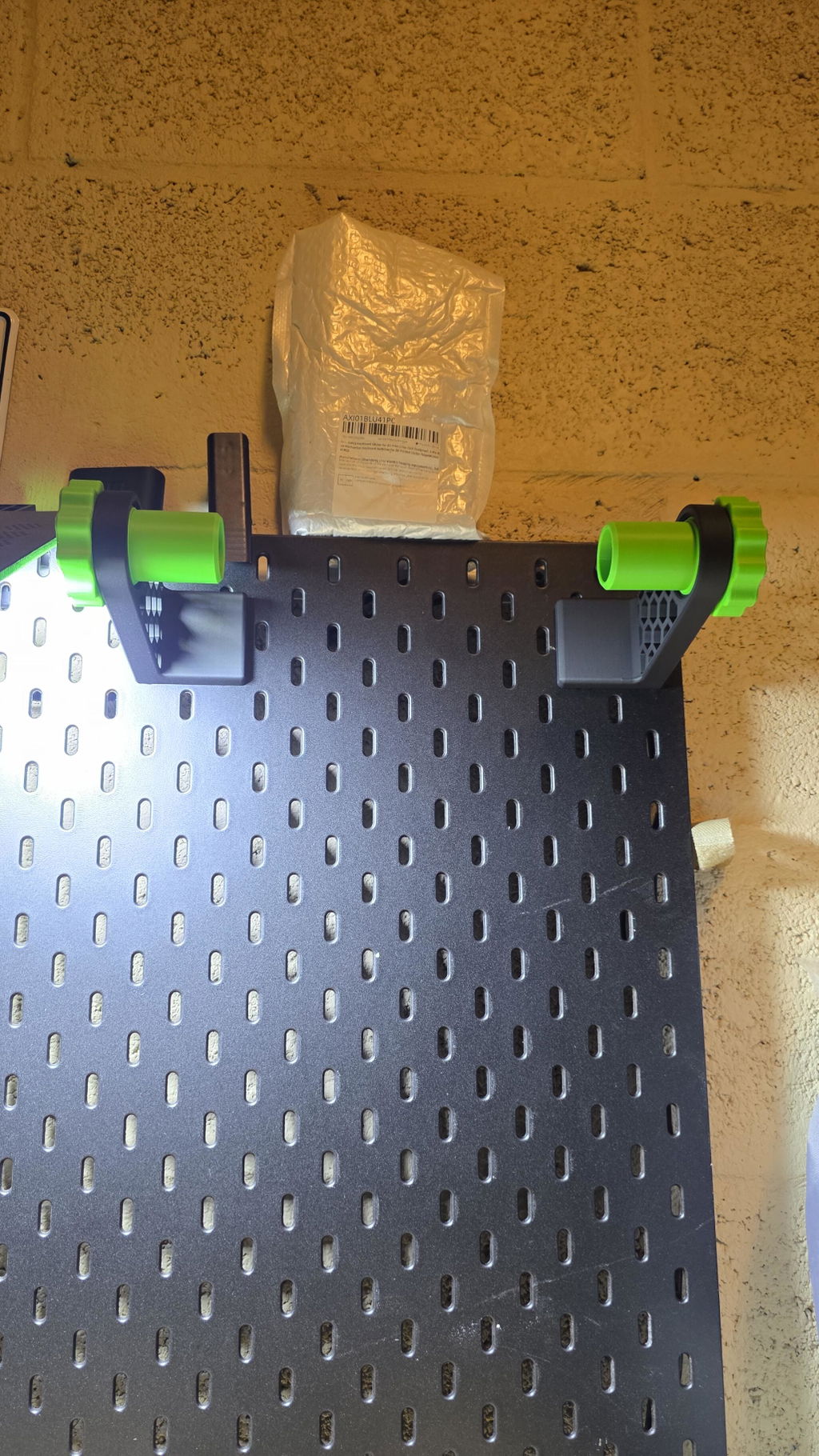
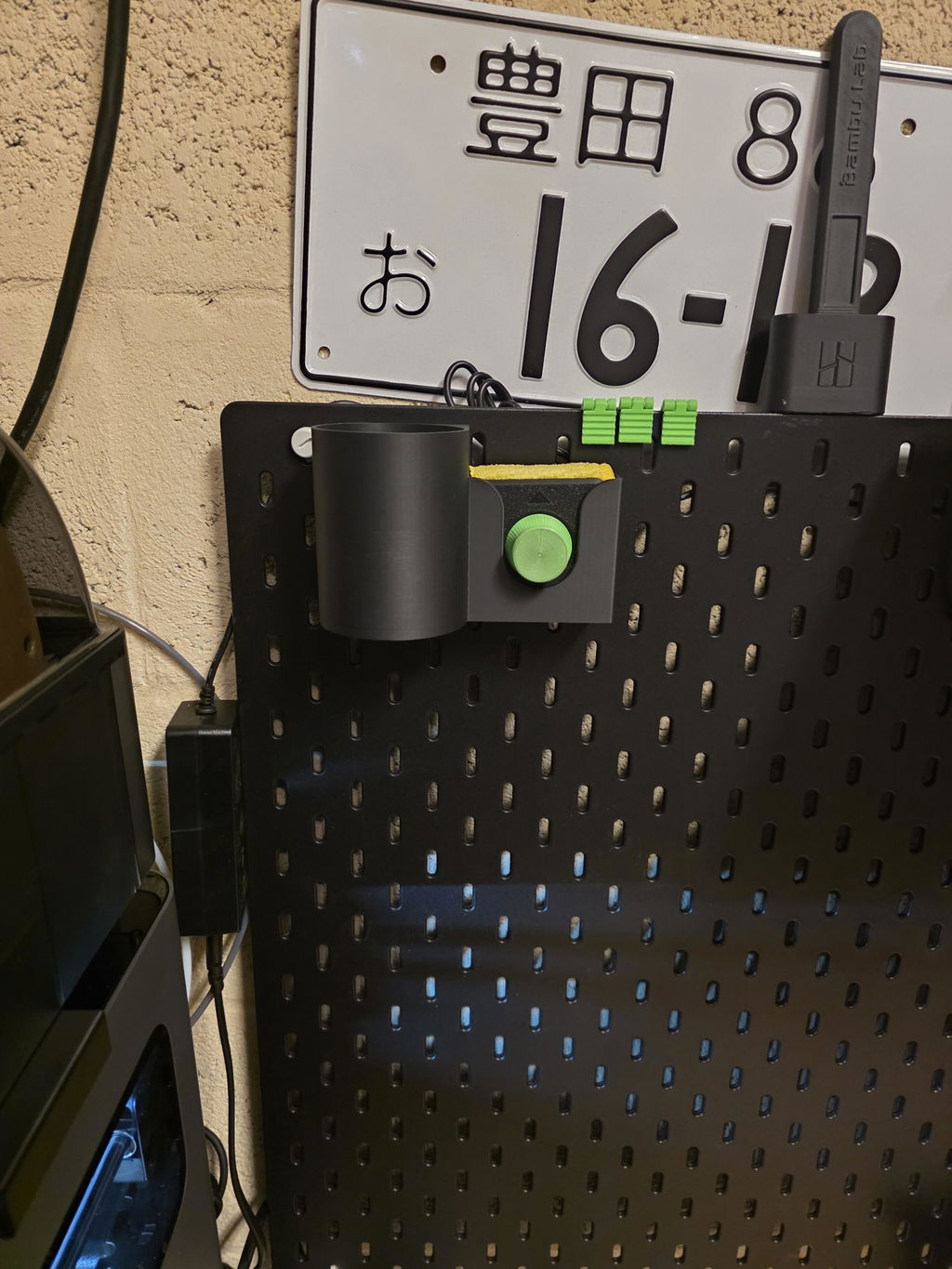
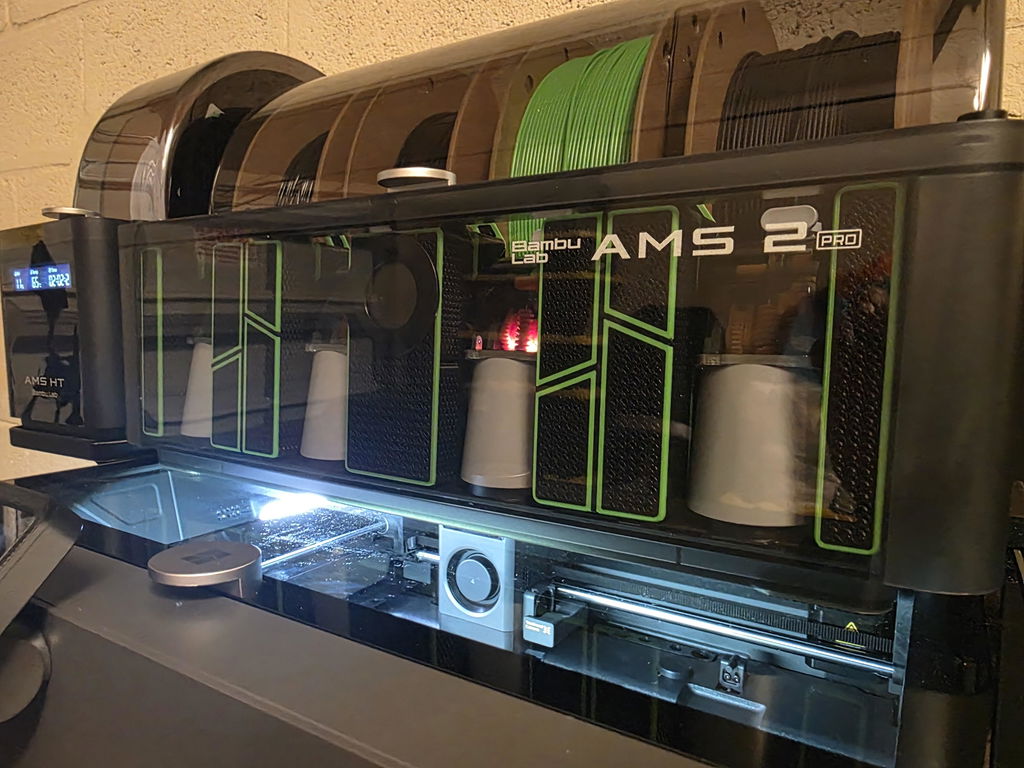
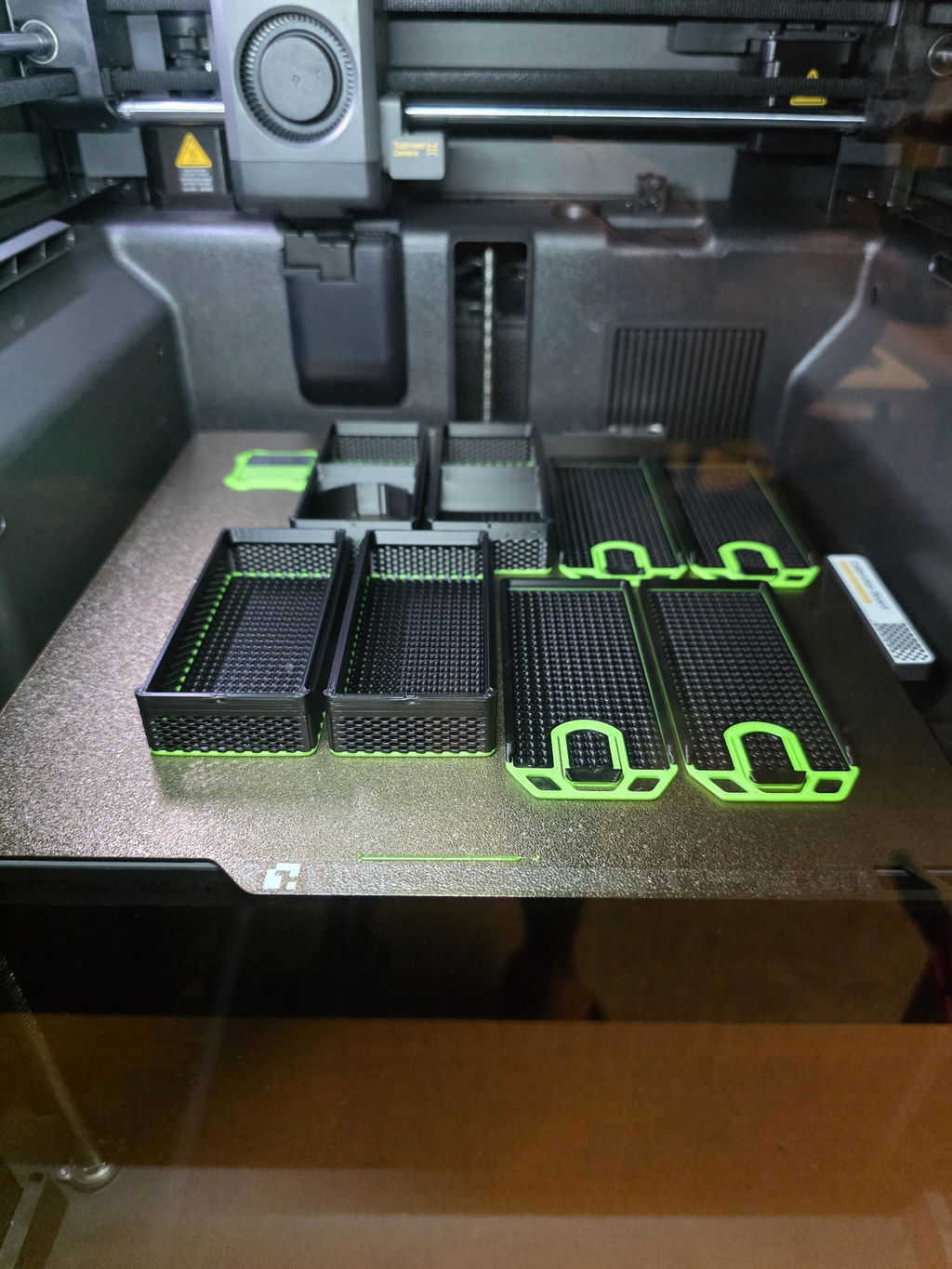
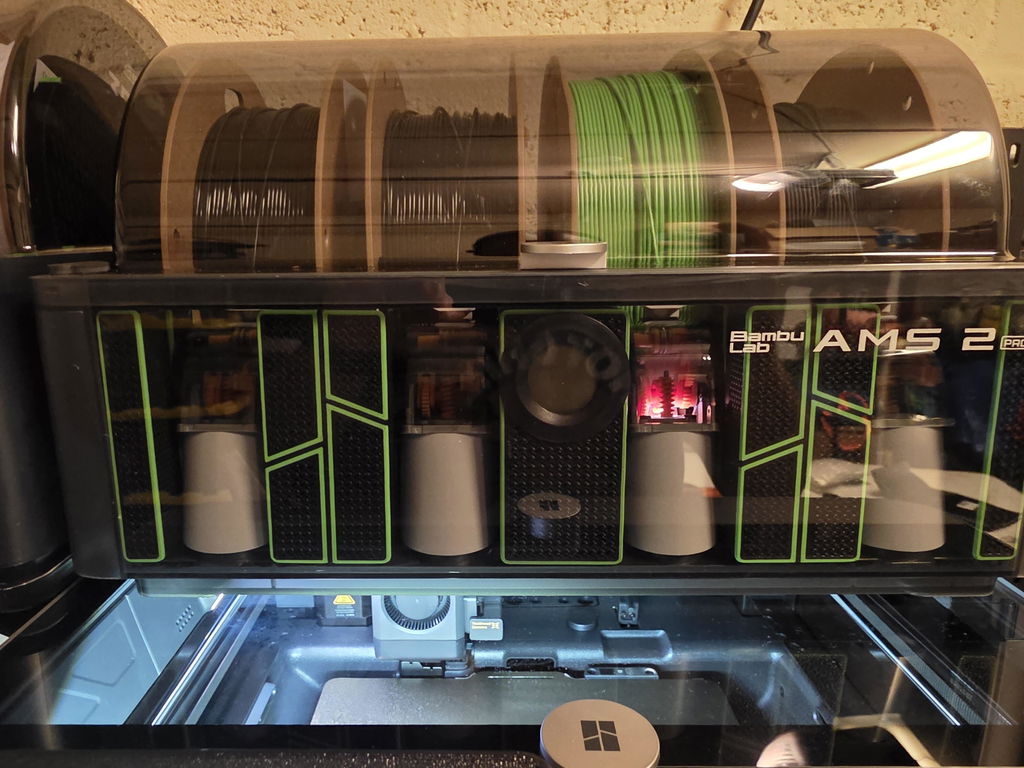
Highly recommend this ASA. Super durable and virtually weatherproof in static strength applications. Awesome colors too.
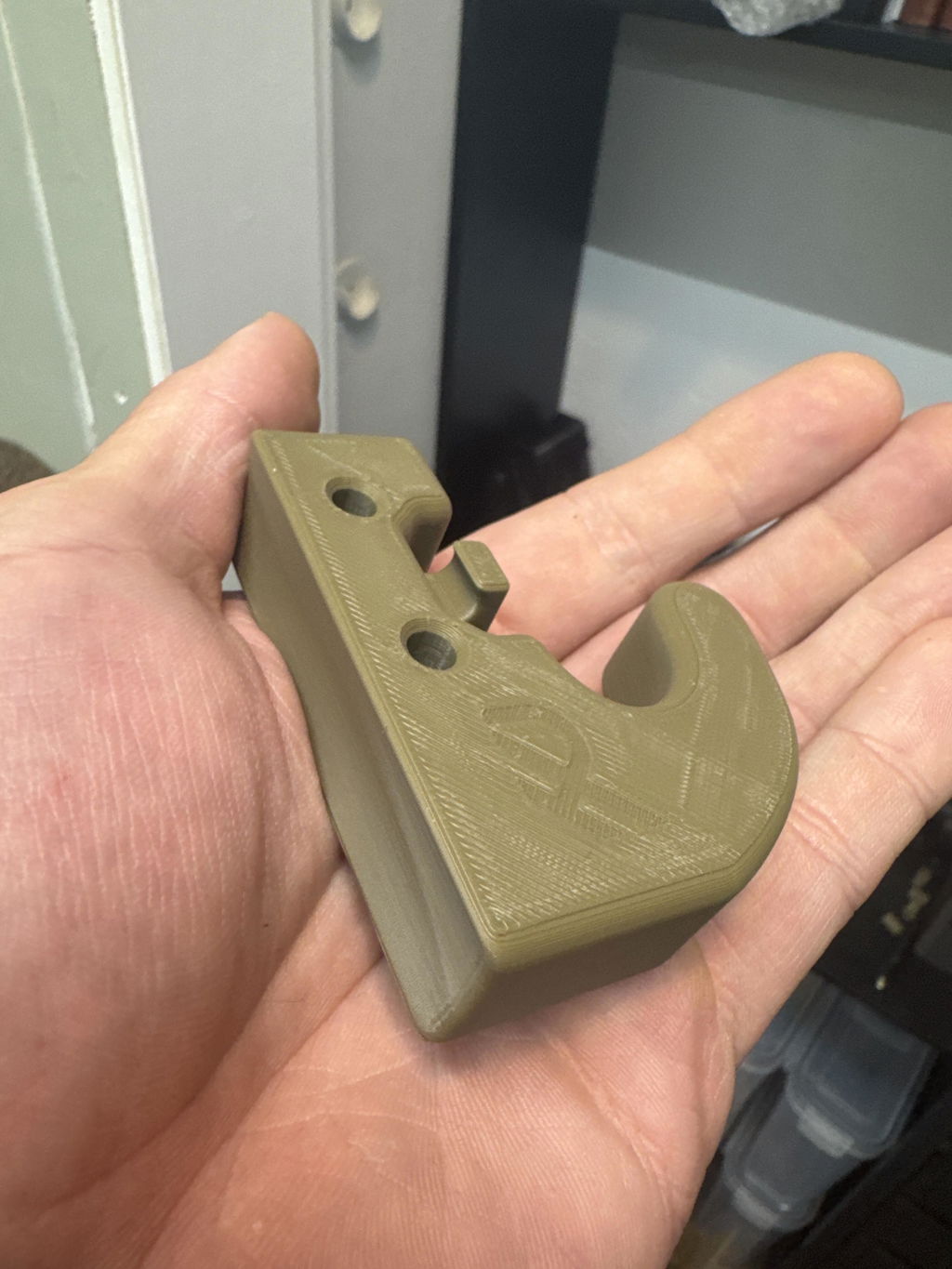
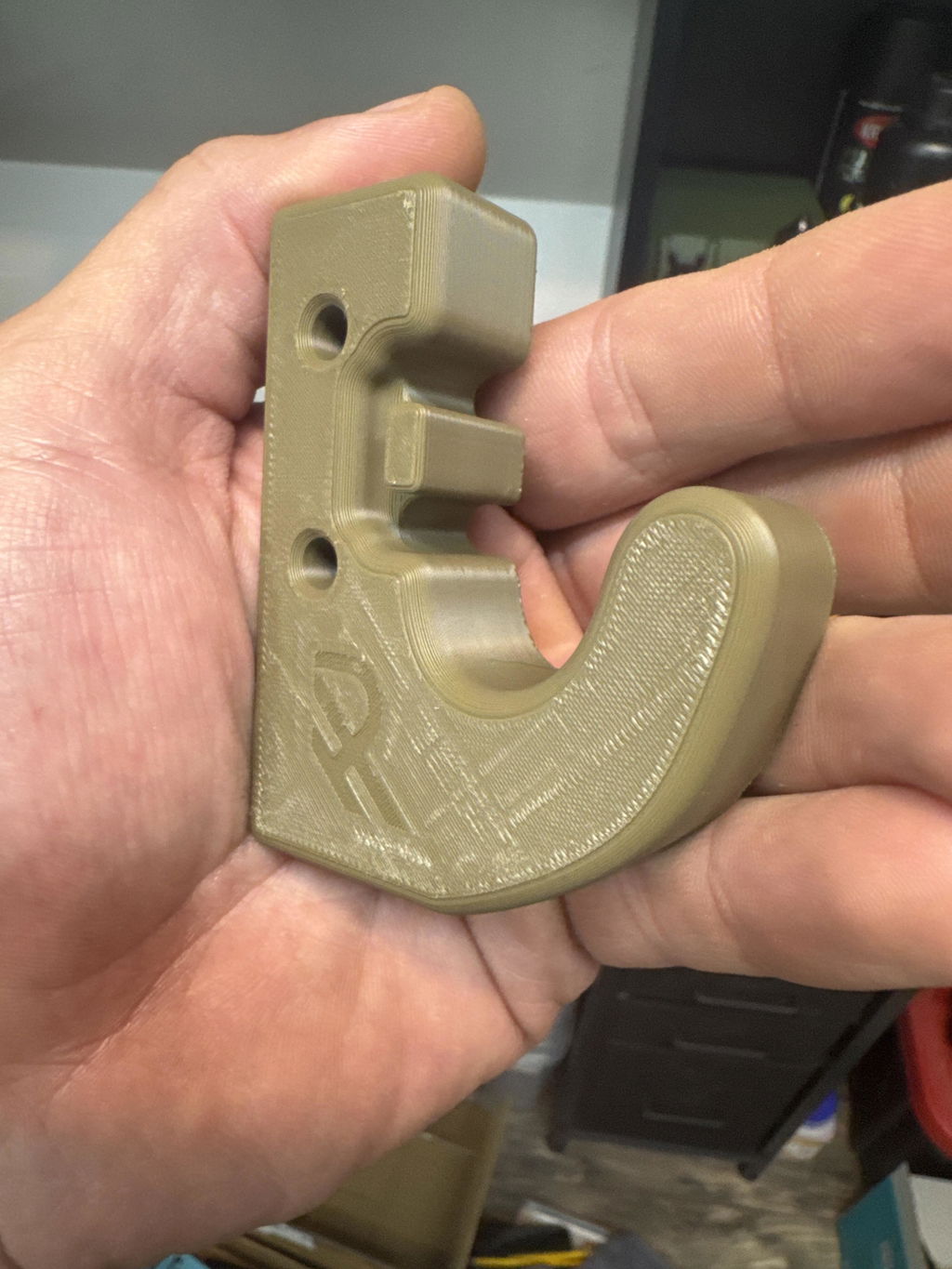
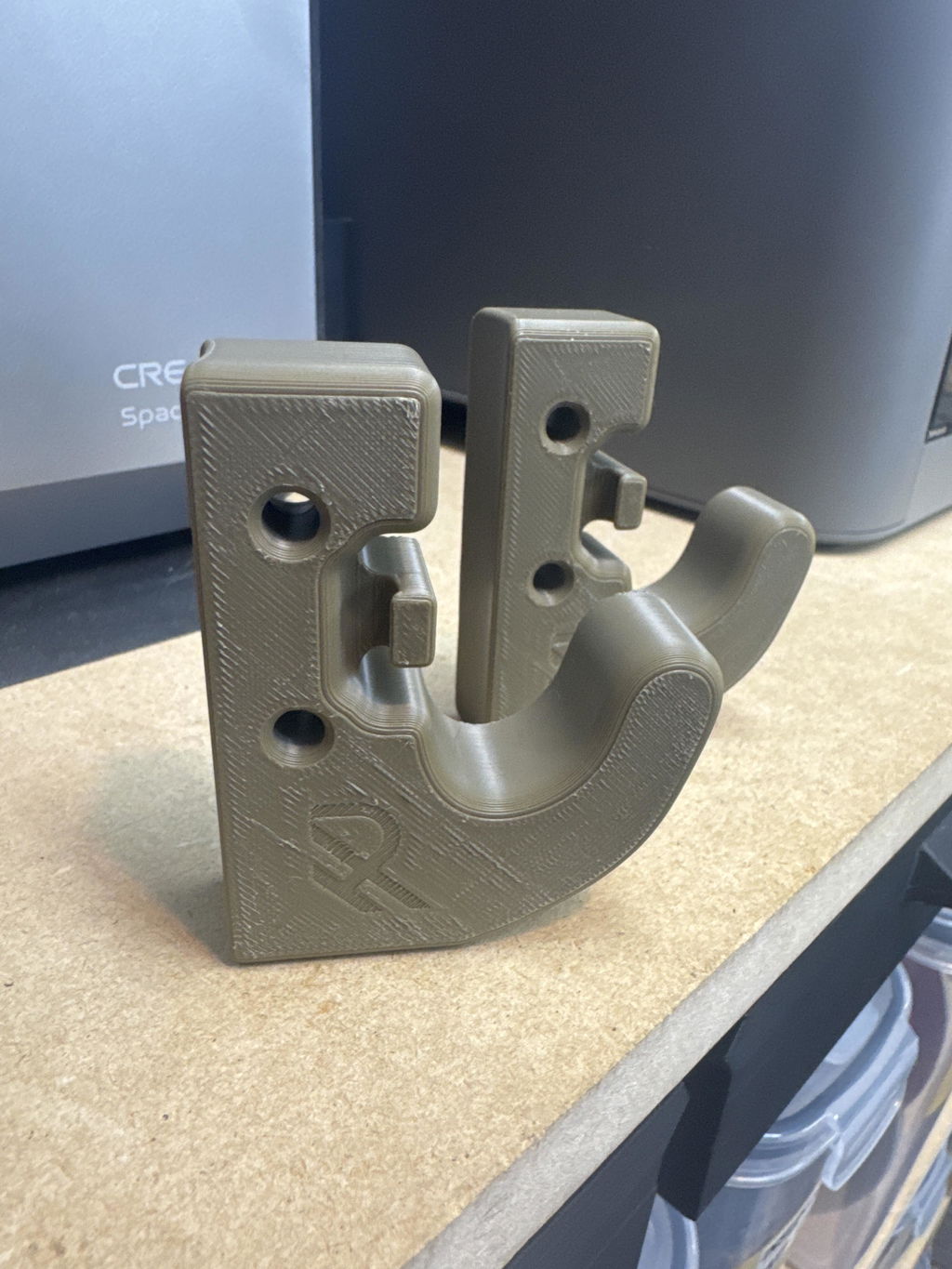
So far this is working very well. I tried some other ASA from Elegoo and it wouldn’t print right no matter what I tried and this has completely flipped my bad experience on its head. I read a bunch of other reviews and people only had good things to say about Polymaker so I’ve officially found my new filament source!
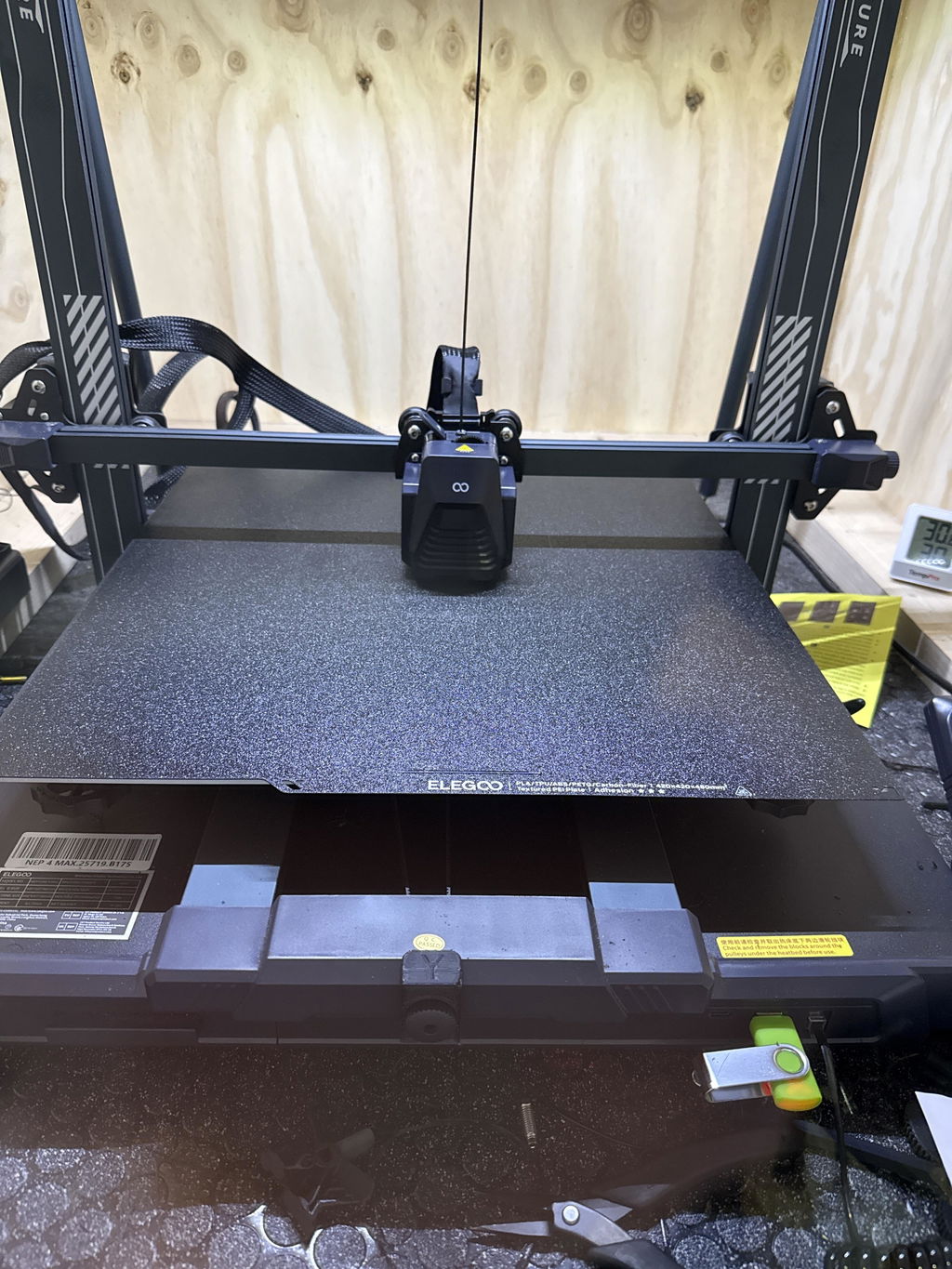
I've finally found a red that suits my wants. I've bought countless spools of red filament in various materials but the color has never been a deep red. This all changed with this ASA, it's for me the best red on the market as far as I know. Also it's super easy to print ! I had always been used to only printing PLA and PETG, and found ASA to be easier to print than PETG (given you have an enclosure of course).
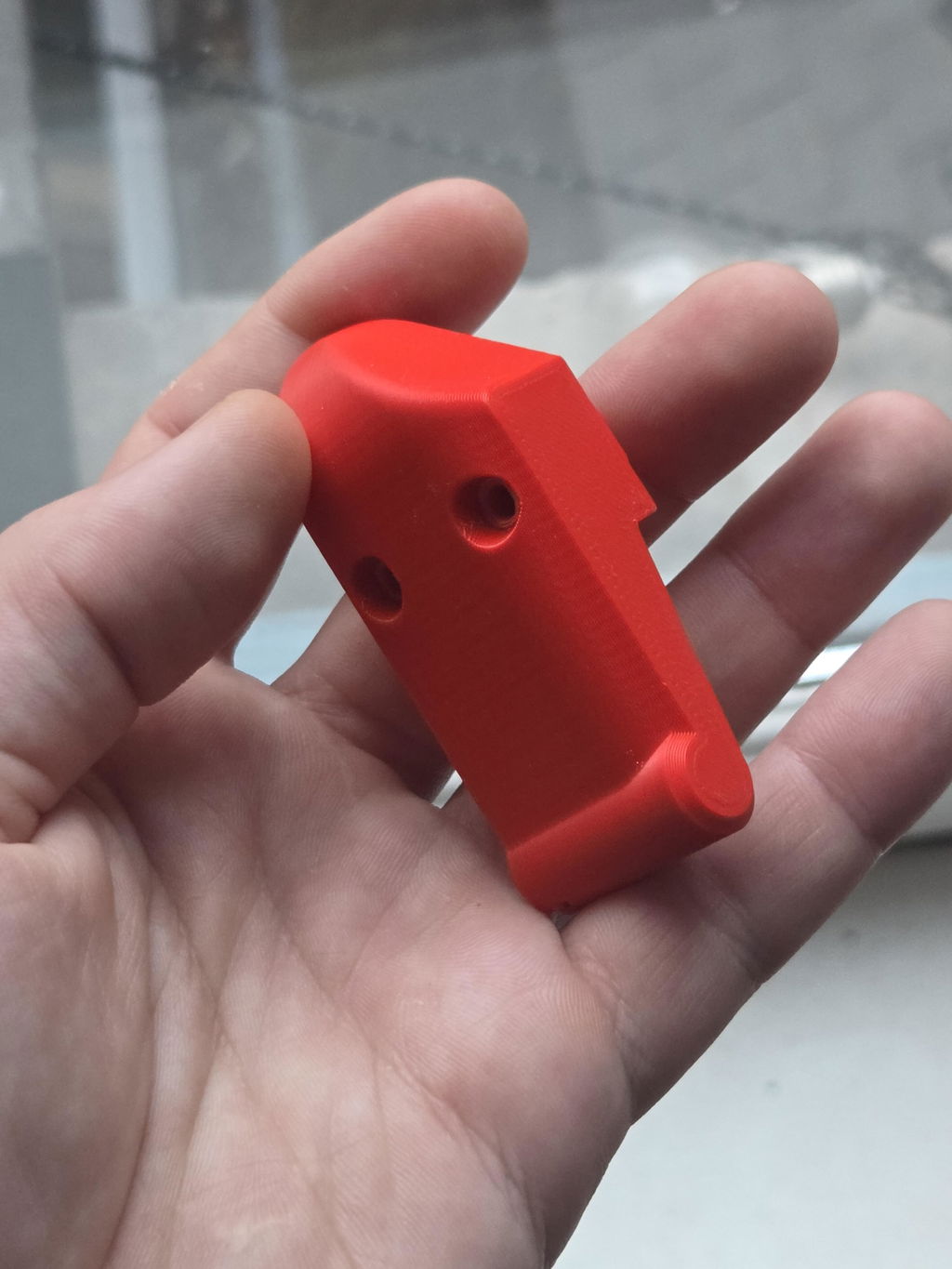
Ordered in July and received today, July 18. Very well packaged with internal protection and vacuum-sealed film. Can't wait to start printing with this filament.
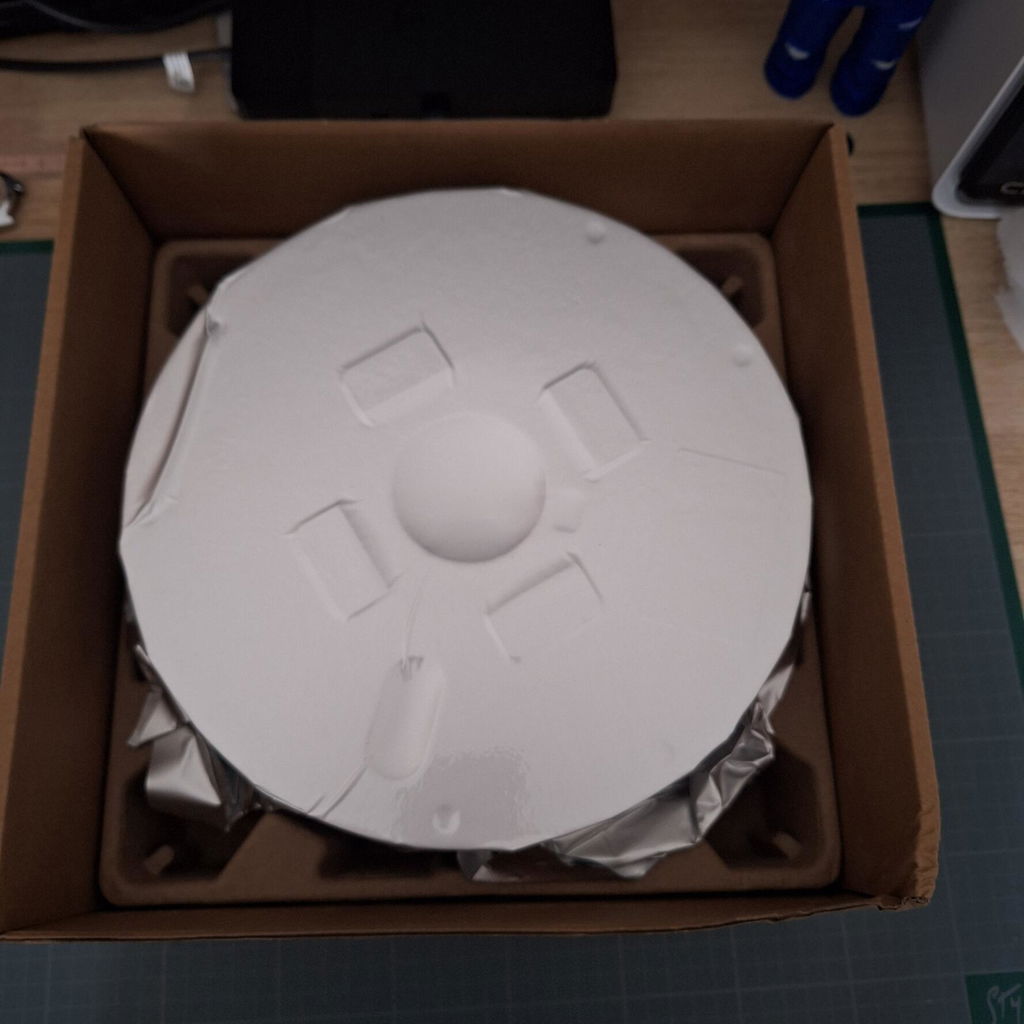
PLA Pro and ASA are our go-to filaments. Prints well. Love that it comes with profiles.
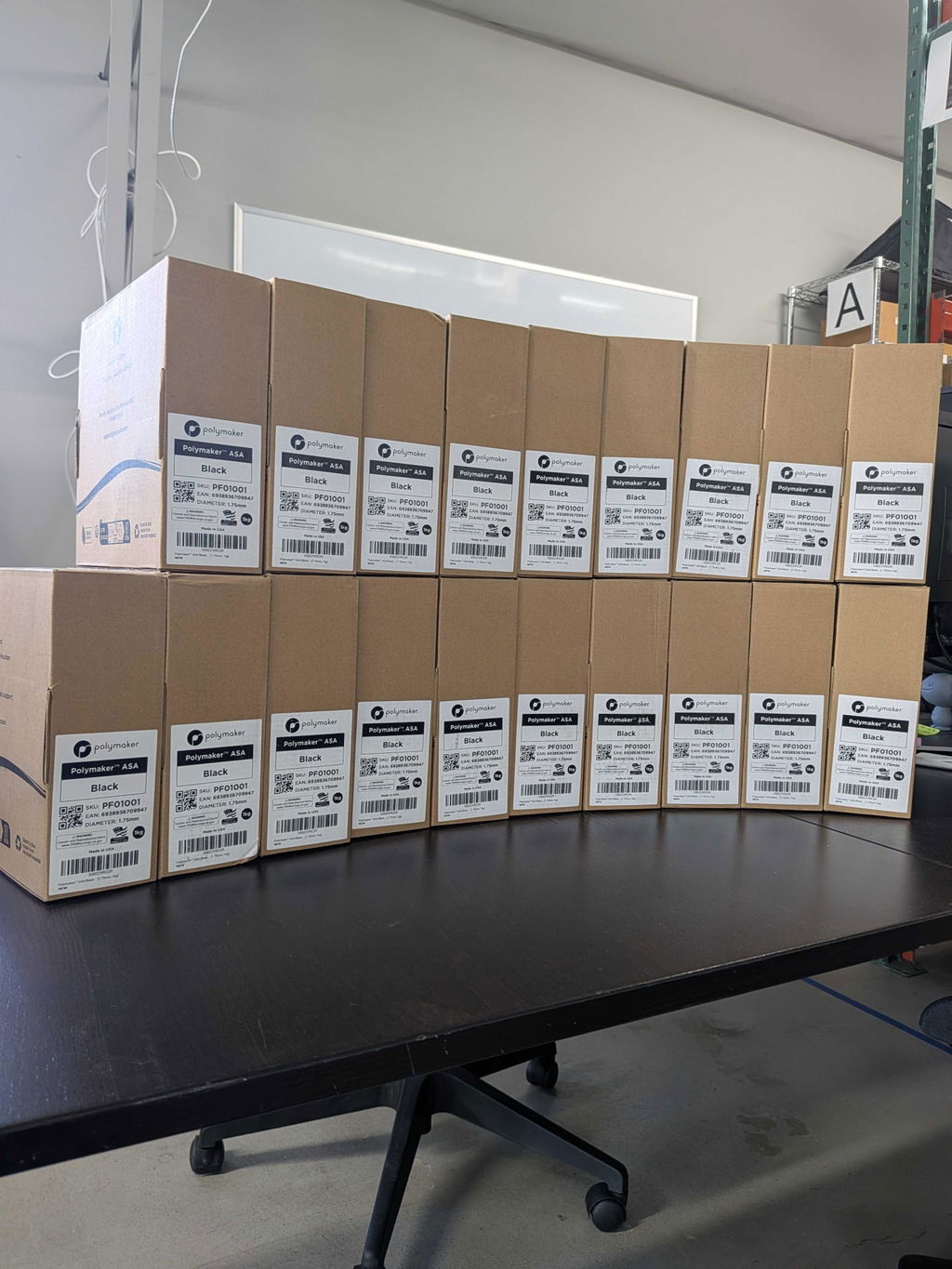
This is great ASA, prints extremely well, warps less than other ASA's I've used and the colors are perfect. Will be buying more in the future.

I only print ASA and your natural is the best I've ever used!
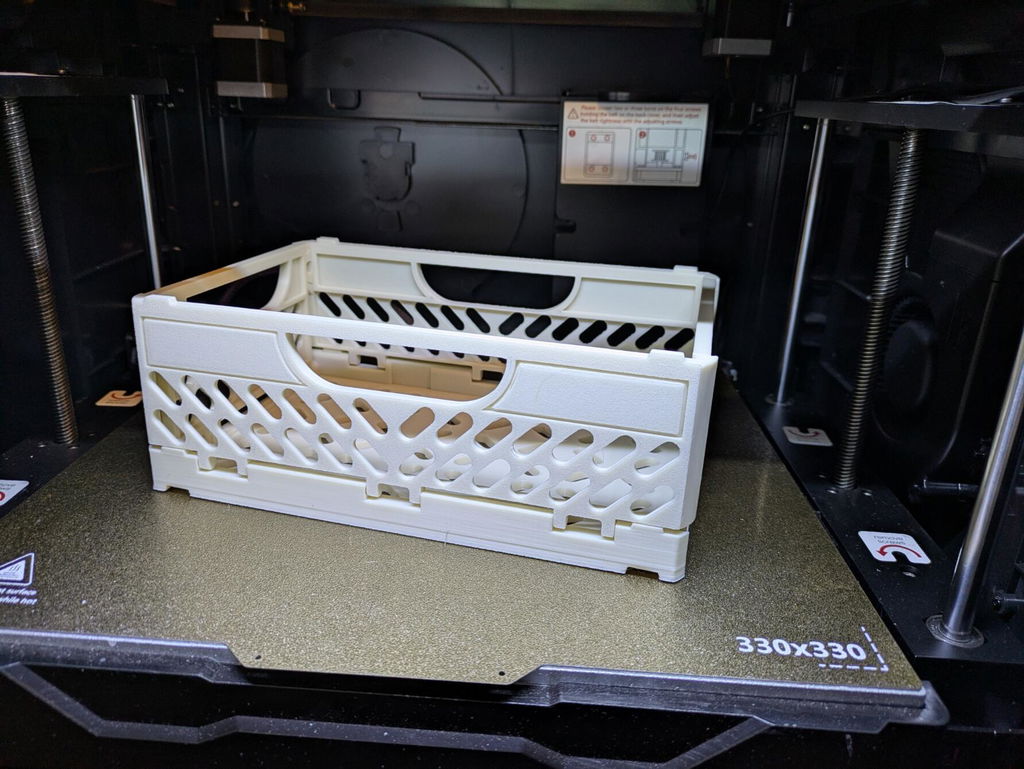
This ASA prints just as well as any PETG or PLA that I have tried. This is quickly becoming the default filament for me for anything that needs durability.
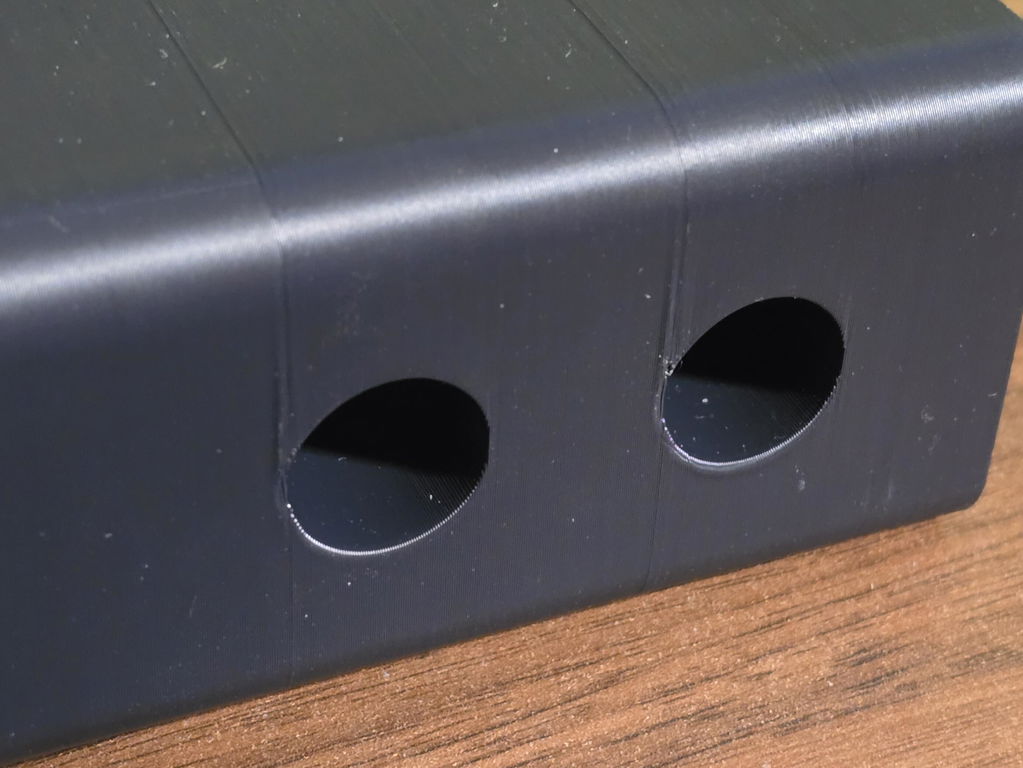
This asa filament printed perfectly and I have had 0 issues so far on my bambulab x2d.

Perfect for outdoor products
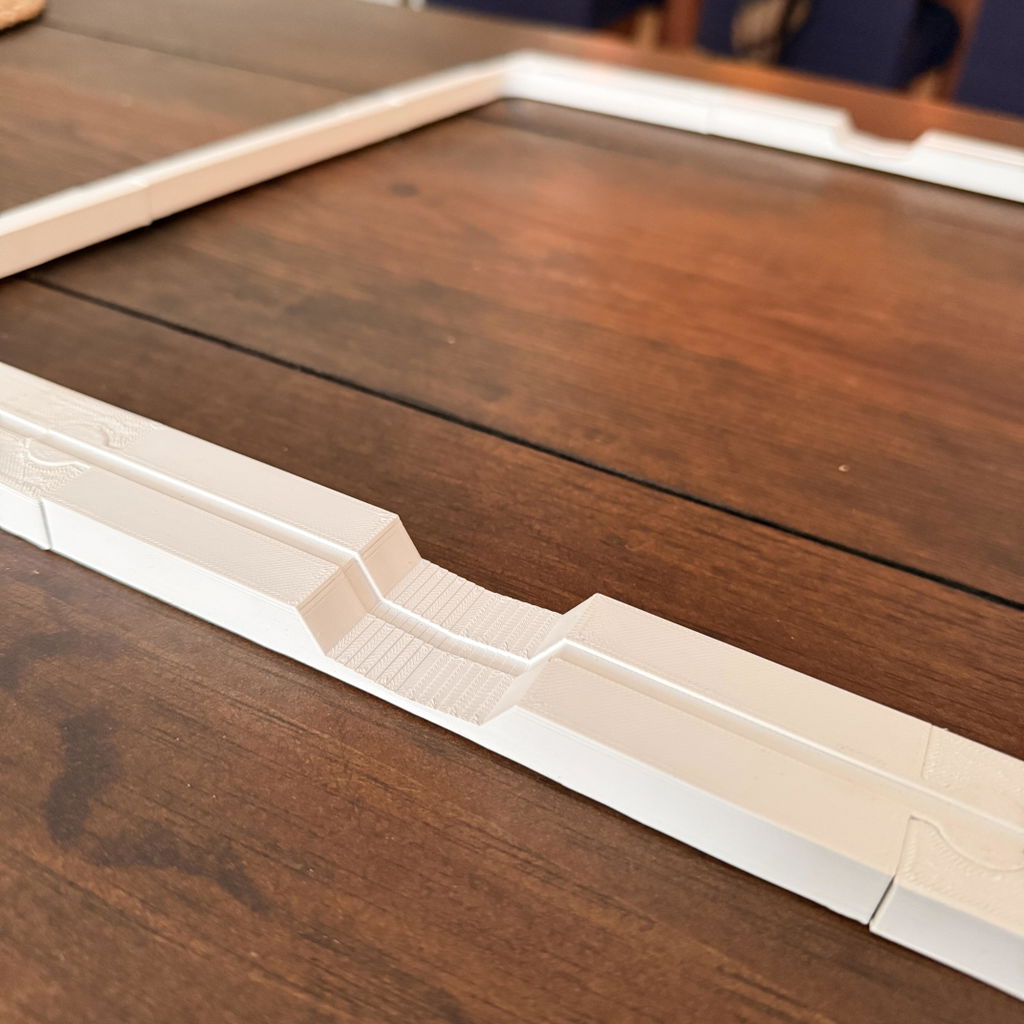
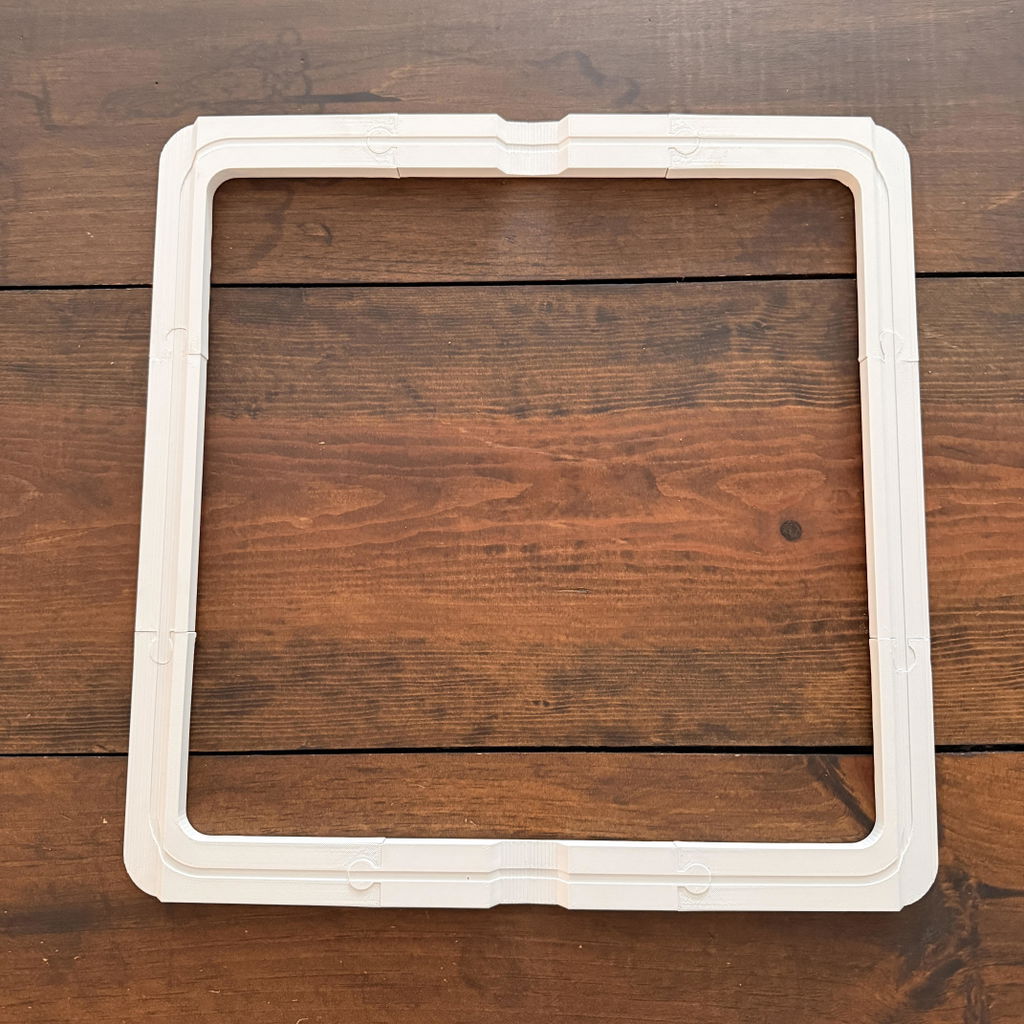
I was a bit terrified of using ASA filament for the first time, but I’m through 2 rolls of polymaker now and overall the experience was quite enjoyable. I had pretty good bed adhesion- using mouse ears on sharp corners with a 0mm gap. Easy to clean up post print. Very happy with the results.
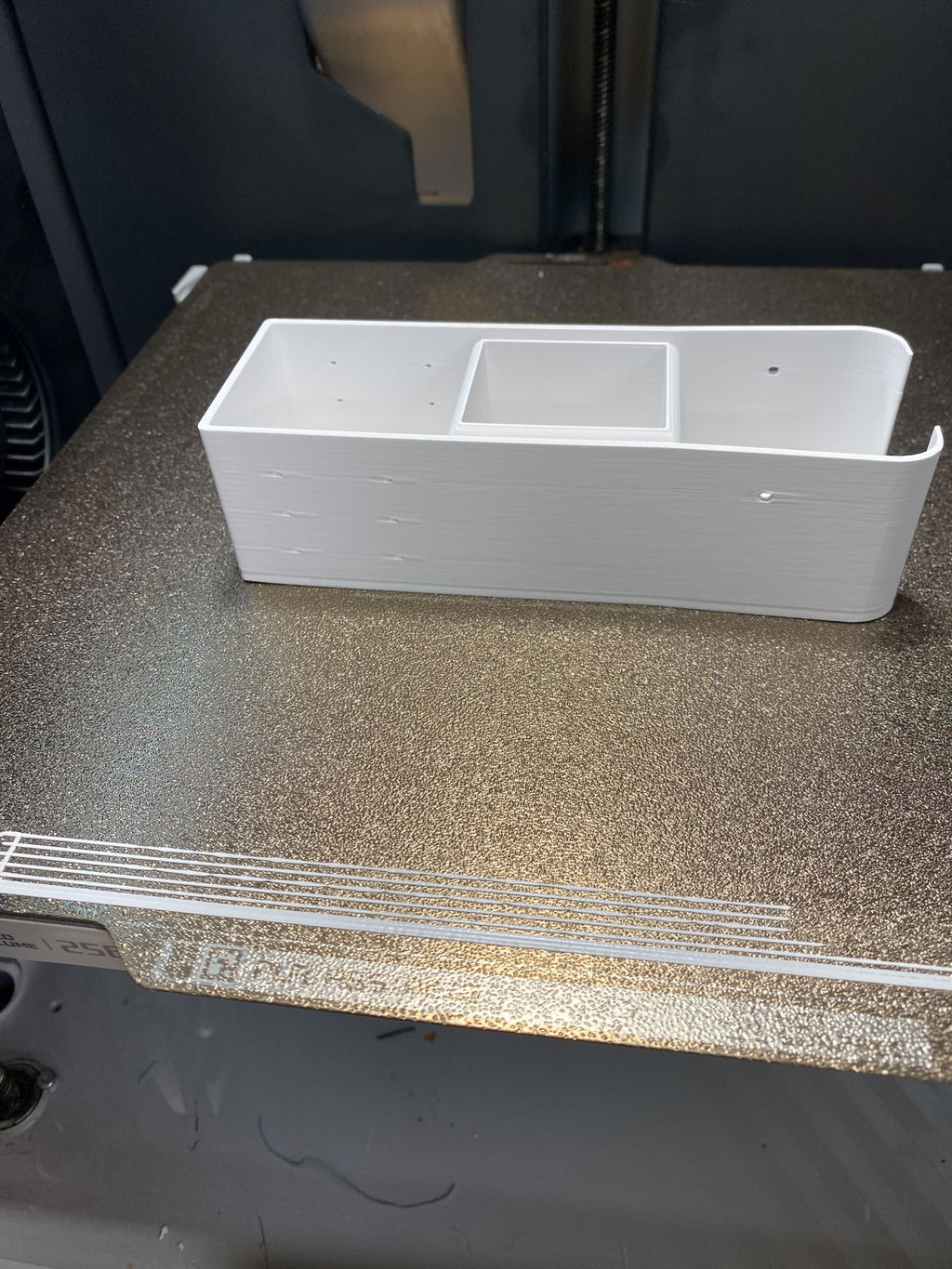
When I first built a Voron r2, I had the parts printed in gray and yellow polymaker ABS, so when I printed spares, the yellow ABS did not match my printer. After a bit of messing around, it turned out the printer used ASA Yellow. I've been hooked on ASA yellow ever since!
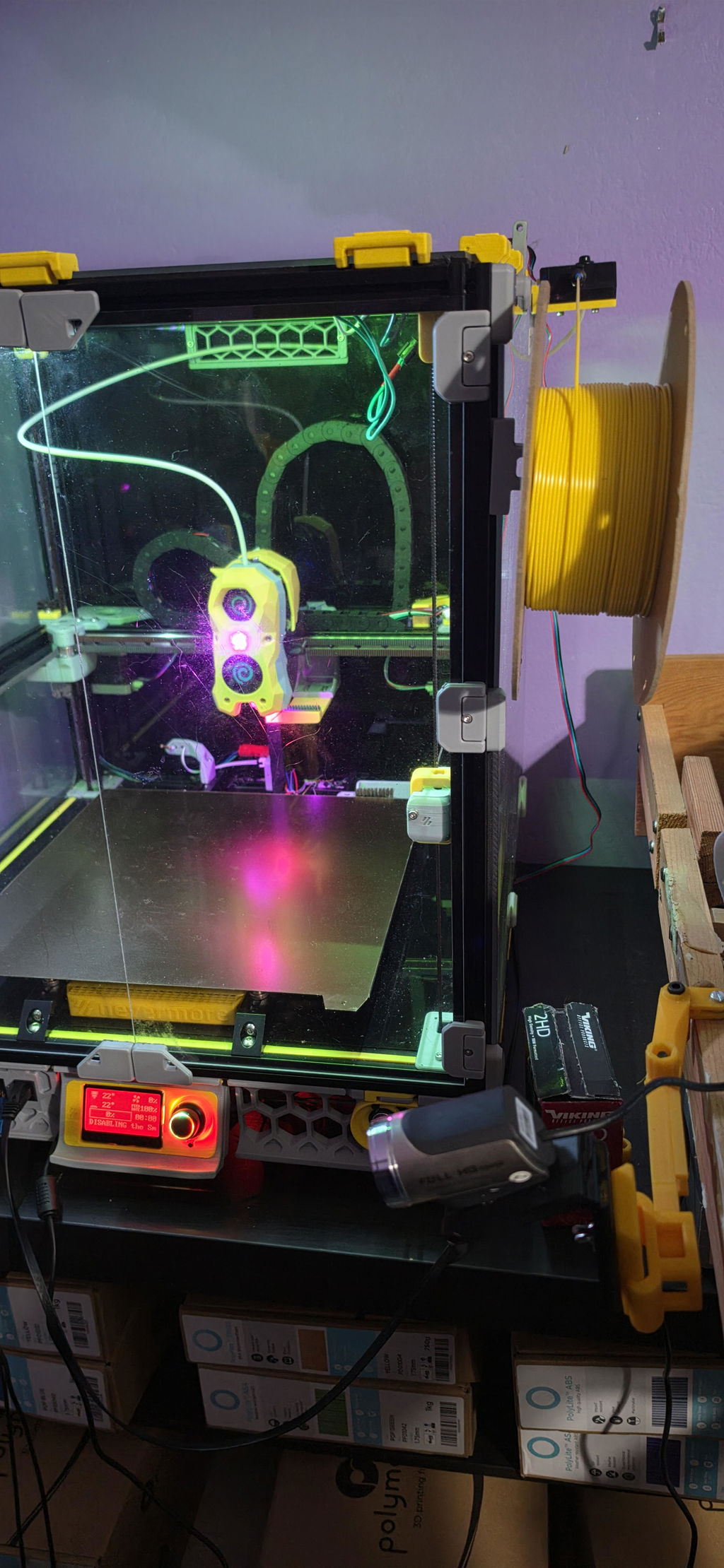
I recently switched my PLA filaments supplier to Polymaker due to stringing issues I had with that supplier. I was very please with the result and I decided to try the ASA from Polymaker against the other supplier. Well, also here I am impressed. No more testing: Polymaker is now my go-to filaments supplier.
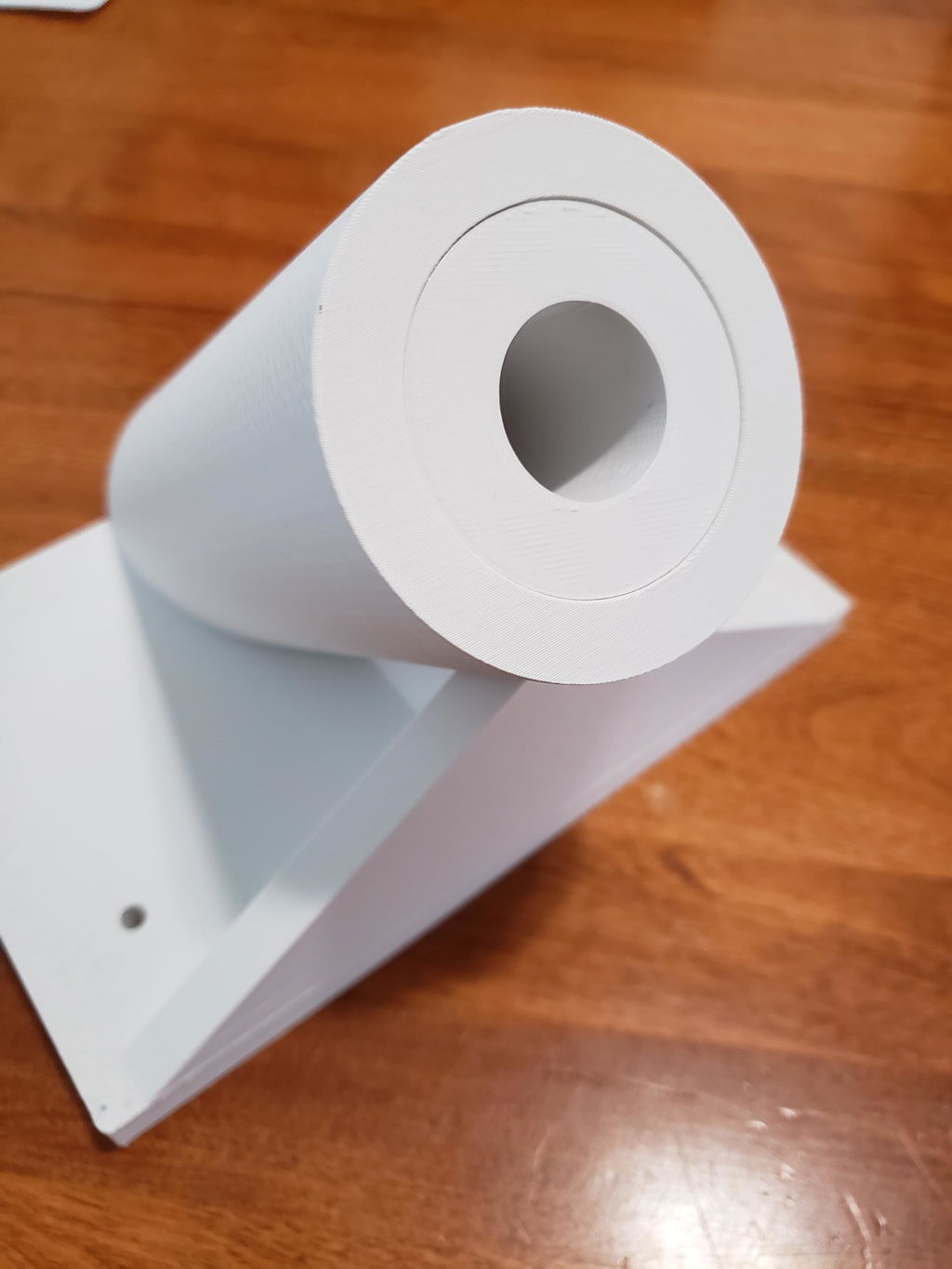
Bought the ASA pop green and it looks amazing! It printed cleaner with smoother layer lines than some of my PETG. Very impressed!
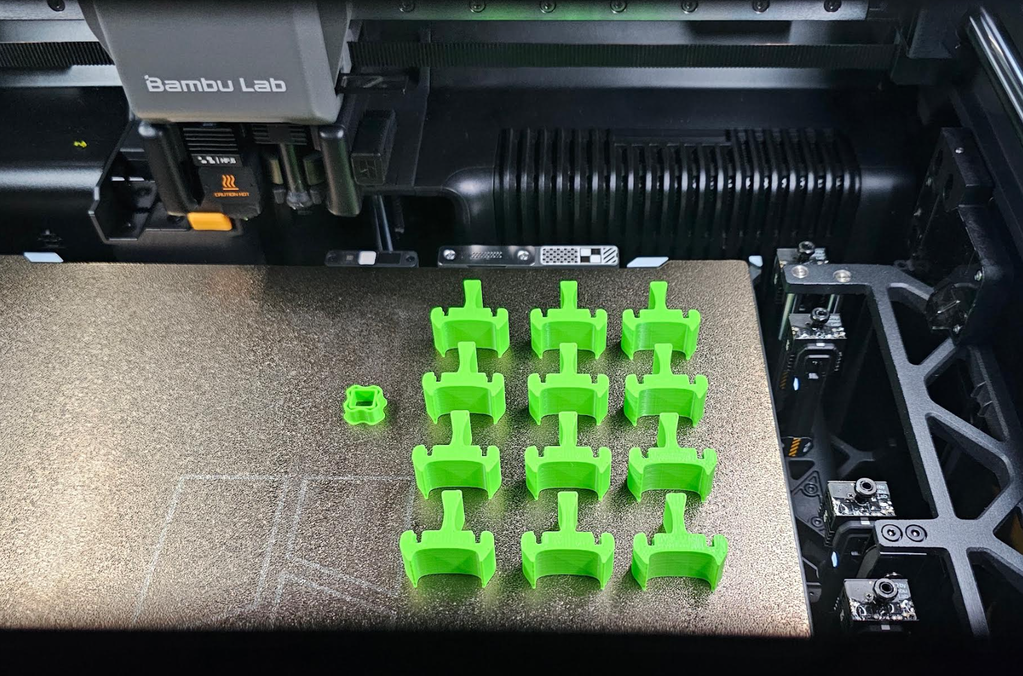
Used other ASA… keep coming back to Polymaker. The consistency and reliability is astounding.
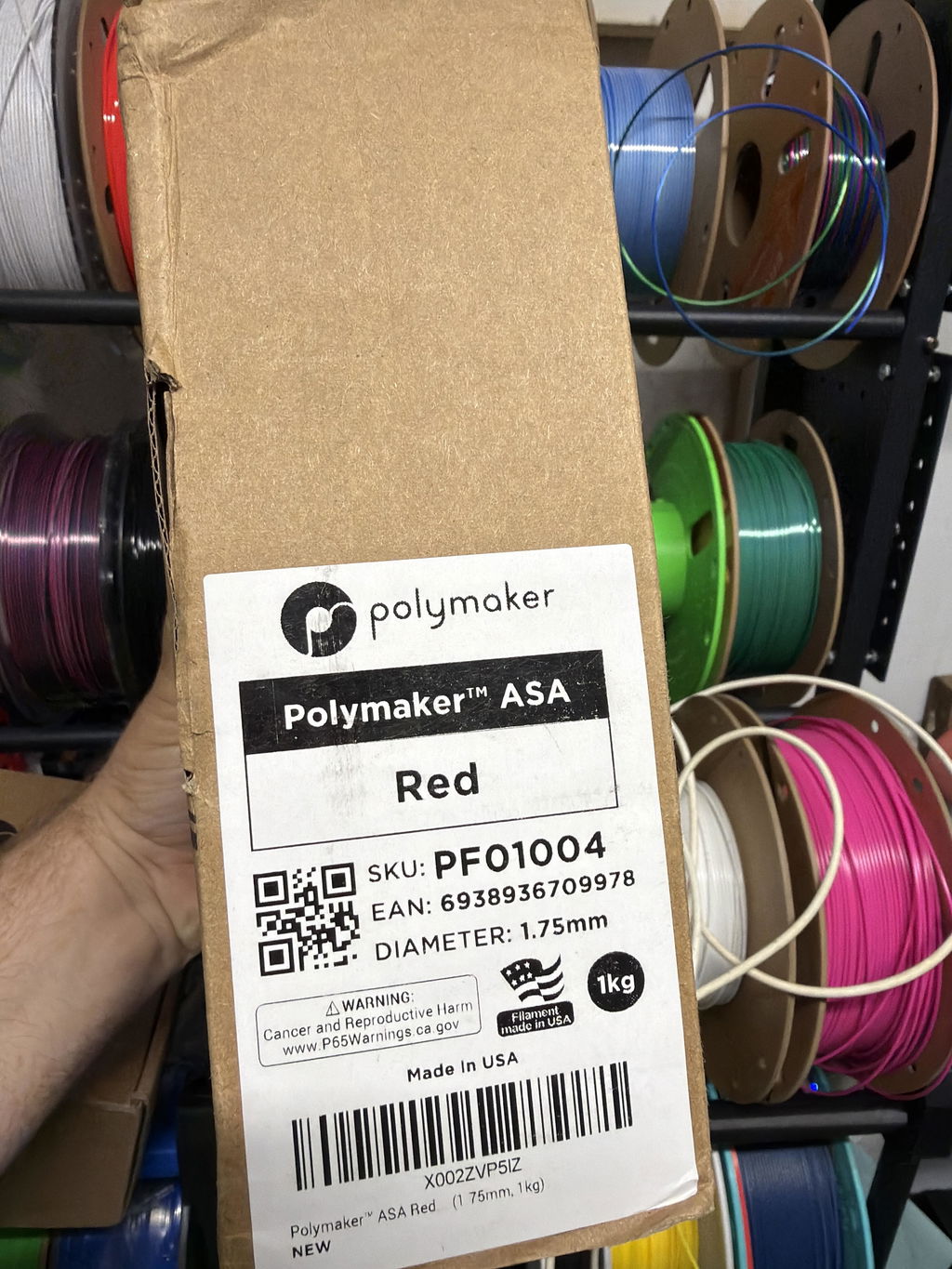
Loving this color! Needed to make a design with my logo and needed ASA for high temps. Of course I used Polymaker!