


5-10 days
Payments
Description
Description
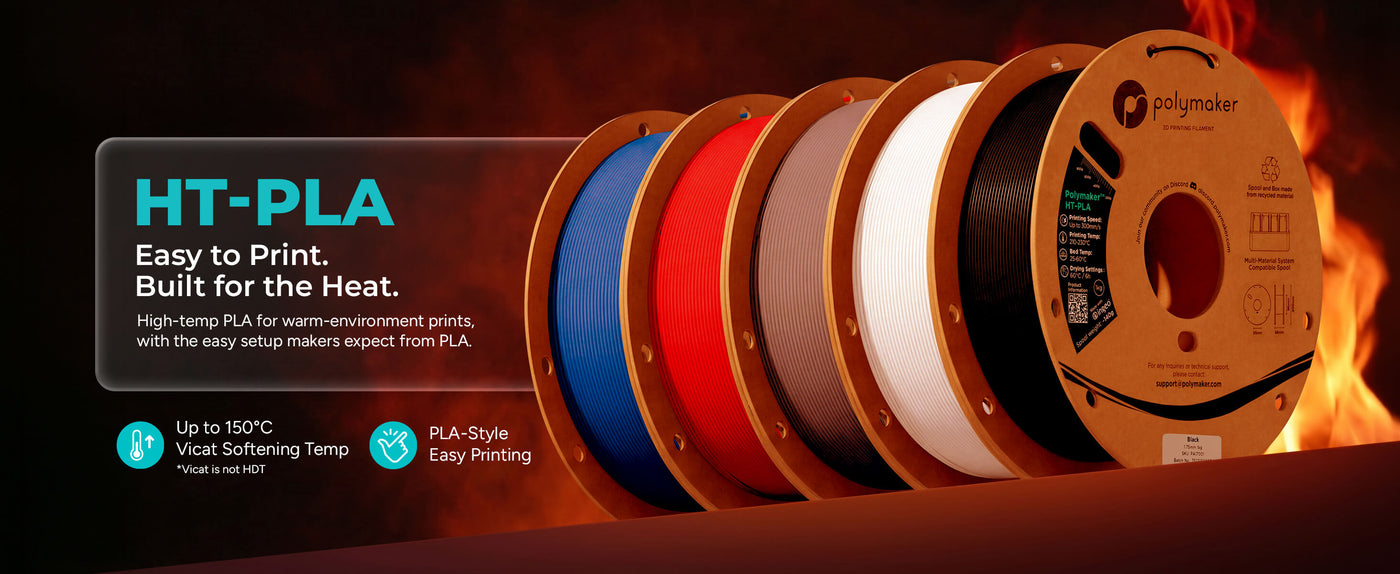
Take your prints to the next level with Polymaker™ HT-PLA
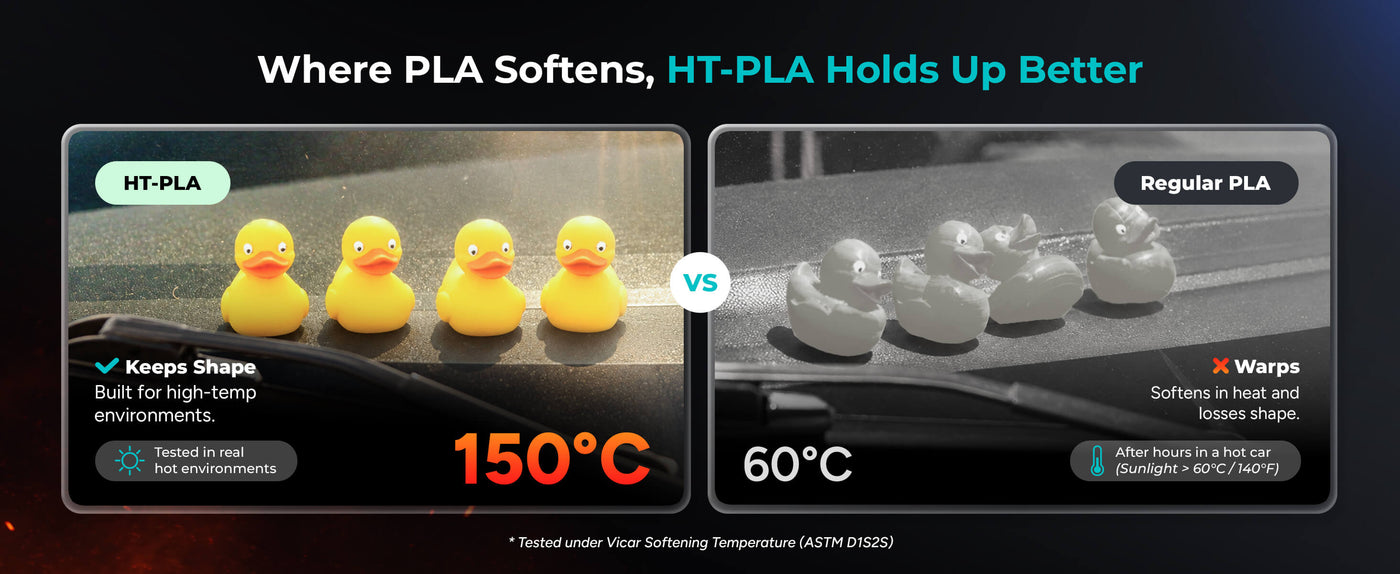
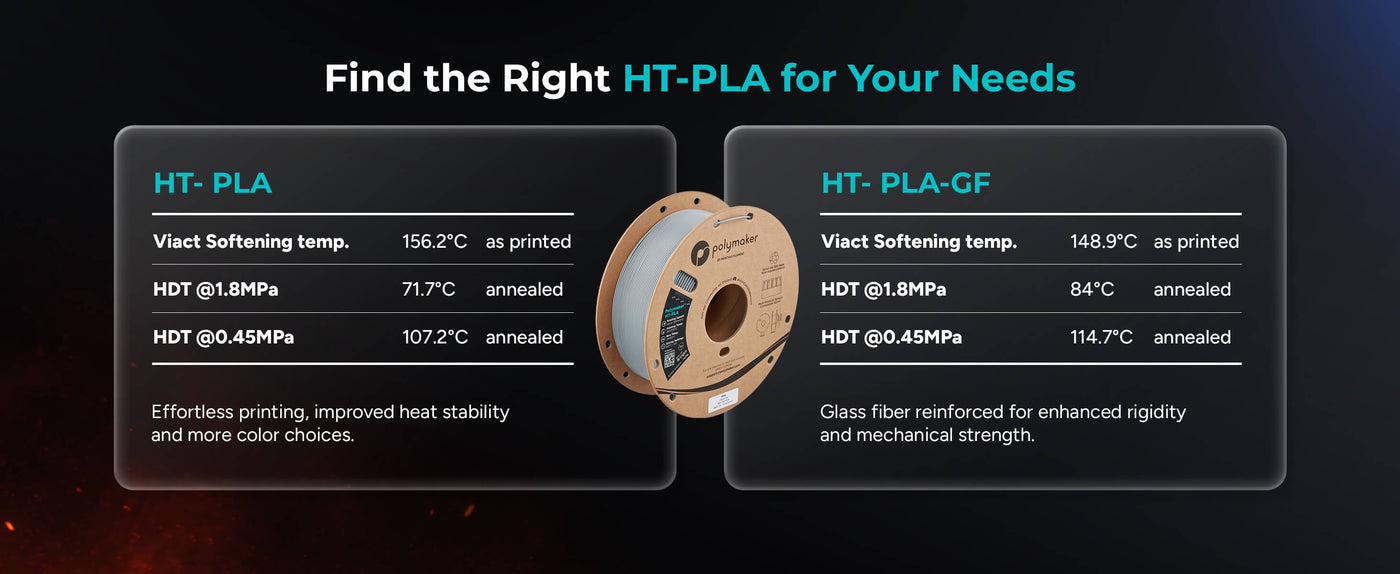
Engineered for creators who demand performance without the hassle. Designed to withstand temperatures up to 150°C, this next-gen PLA keeps its shape—even under extreme heat—no warping, no sagging, no compromises. Learn More About the Product
Prints Like a Dream
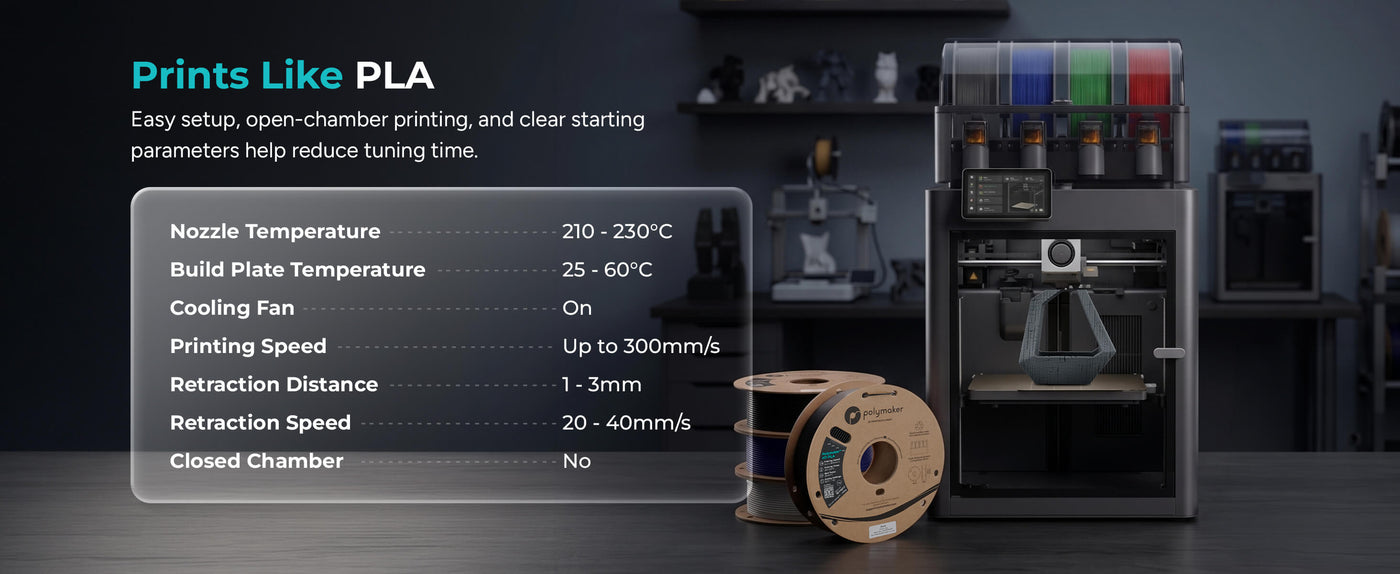
HT-PLA runs flawlessly on most FDM printers using standard PLA settings—no upgrades or tuning needed. And with print speeds up to 300mm/s, you’ll get pro-quality results faster than ever.
Eco-Friendly Meets Engineering-Grade
Get the reliability and sustainability of PLA with the heat stability of advanced materials. No post-processing required—just print and go.
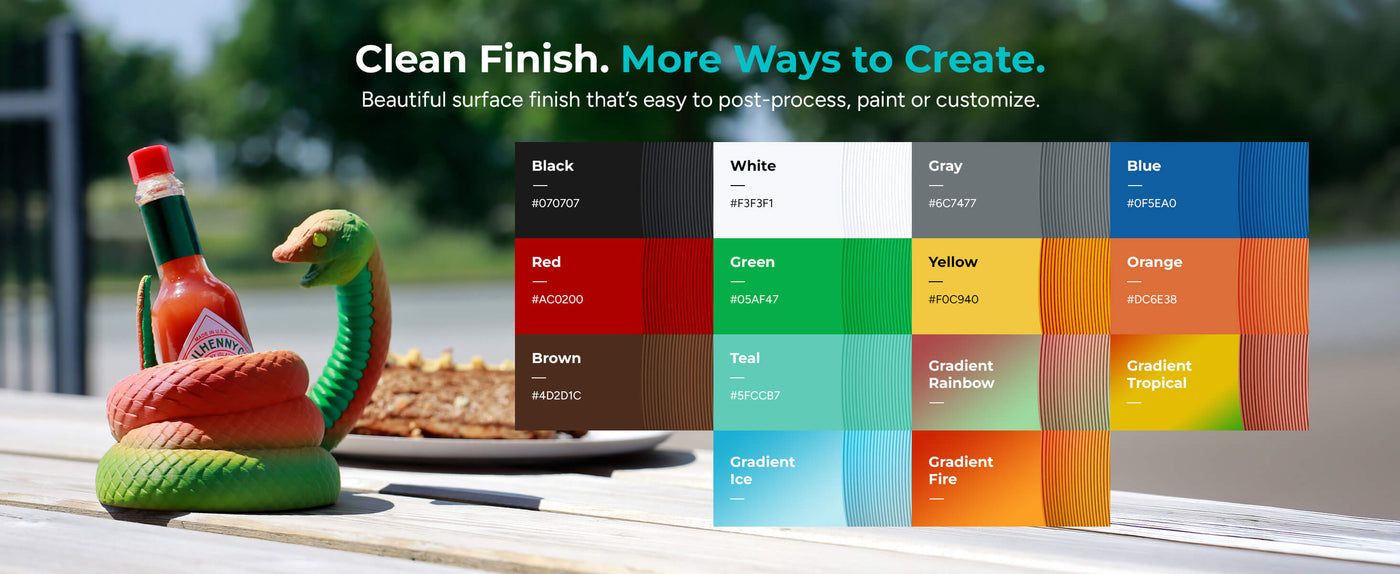
14 Bold, Vibrant Colors
From prototypes to final products, match your vision with 14 rich, eye-catching colors that make every print stand out.
Need Even More Strength?
For next-level mechanical performance, check out Polymaker HT-PLA-GF —a glass fiber-reinforced version built for serious strength.
Gradient Cycle Time:
Rainbow - 200g
Fire - 120g
Ice - 100g
Tropical - 120g
Printing Requirements
Print Settings
Print Settings
Polymaker™ HT-PLA
- High Heat Resistance
- High-Speed Printing
- Easy to Print
- No Post-Processing Required
Polymaker™ HT-PLA - Black / 1.75mm / 1kg is backordered and will ship as soon as it is back in stock.

Technical Specifications
Everything you need before you hit print
- Use an enclosure, avoid drafts, and maintain the recommended bed temperature to reduce warping and layer separation.
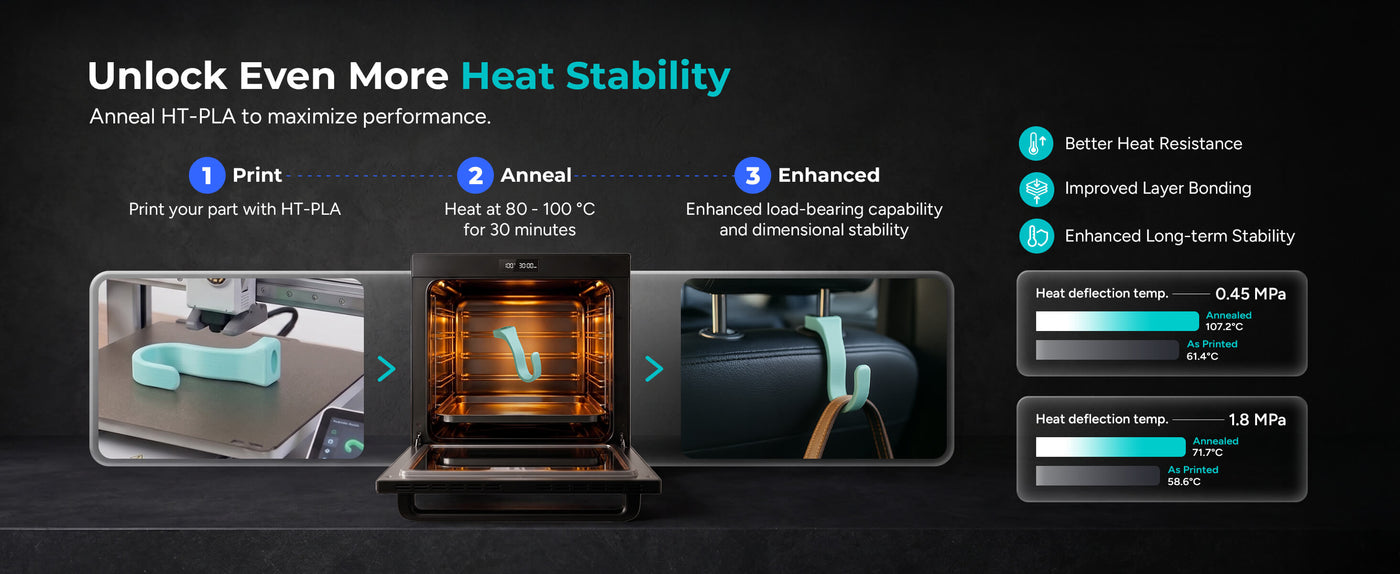
- Anneal for 30 minutes at 80°C - 100°C (100°C recommended) when higher heat stability is required.
- Start within the recommended 210 - 230°C nozzle and 25 - 60°C bed ranges, then make small adjustments for the printer and model.
- Use the recommended ON cooling-fan setting and keep printing speed within Up to 300 mm/s.
| Property | X-Y | Z | Value | Method |
|---|---|---|---|---|
| Density | — | — | 1.287 g/cm³ Important | ISO 1183 |
| Tensile strength | 42.86 MPa Important | 20.83 MPa Important | — | ISO 527 |
| Elongation at break | 2.8 % Important | 0.97 % Important | — | ISO 527 |
| Bending strength | 74.04 MPa Important | 29.39 MPa Important | — | ISO 178 |
| Bending modulus | 2893.46 MPa Important | — | — | ISO 178 |
| Young's modulus | 2945.75 MPa Important | 2596.43 MPa Important | — | ISO 527 |
| Charpy, unnotched | 21.49 KJ/m² Important | — | — | ISO 179 |
| Charpy, notched | 4.67 KJ/m² Important | — | — | ISO 179 |
| Melting temperature | — | — | 177.23 °C Important | ISO 11357 |
| Glass transition temperature (Tg) | — | — | 59.8 °C Important | ISO 11357 |
| Vicat softening temperature | — | — | 156.2 °C Important | ISO 306 |
| HDT (1.8 MPa) | — | — | 58.6 °C Important | ISO 75 |
Tested on 100% infill specimens. X-Y = across the layers, Z = between the layers (layer adhesion).
Frequently Asked Questions
Got questions? We've got answers. From choosing the right material to caring for your spools, here's everything you need to know in one spot.
Can you anneal Polymaker™ HT-PLA’s?
What is Heat Stability?
Are Polymaker™ HT-PLA’s hygroscopic?
Are Polymaker™ HT-PLA’s UV / Weather resistant?
What is the shrinkage rate?
Are Polymaker™ HT-PLA’s dishwasher safe? (Food safety, water steam)
Can it print with PLA settings?
Are Polymaker™ HT-PLA’s abrasive?
Can you print Polymaker™ HT-PLA’s with a smaller nozzle?
What is the highest speed you can print at?
Does all the colors have the same heat resistance?
Is it biodegradable?
What is in HT-PLA?
Is it strong?
Does it have fumes when printing?
Can I anneal HT-PLA in boiling water?
Is this PLA also based on NatureWorks?
Does HT-PLA have similar chemical resistance as regular PLA?
What percentage of glass fiber (GF) is in the HT-PLA-GF composition?
Why do we choose to not put the fiber content % in the name similar to Fiberon?
Could CoPE work well as a support material?
down in the oven after annealing?
Customers praised this heat-resistant filament for printing "like a dream" with "barely any layer lines" and smooth finishes. Most found it as easy to print as regular PLA while offering superior heat tolerance for outdoor/automotive applications. Some reported layer adhesion issues under heat, warping concerns, and color inconsistencies (yellows appearing dull/greenish).
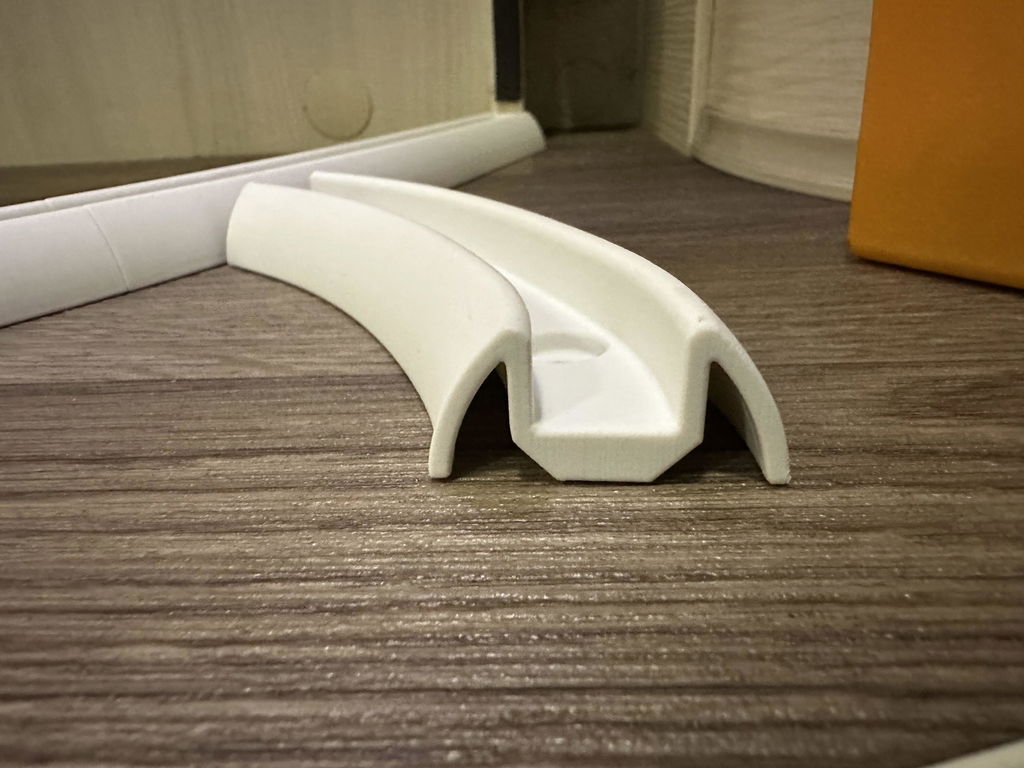
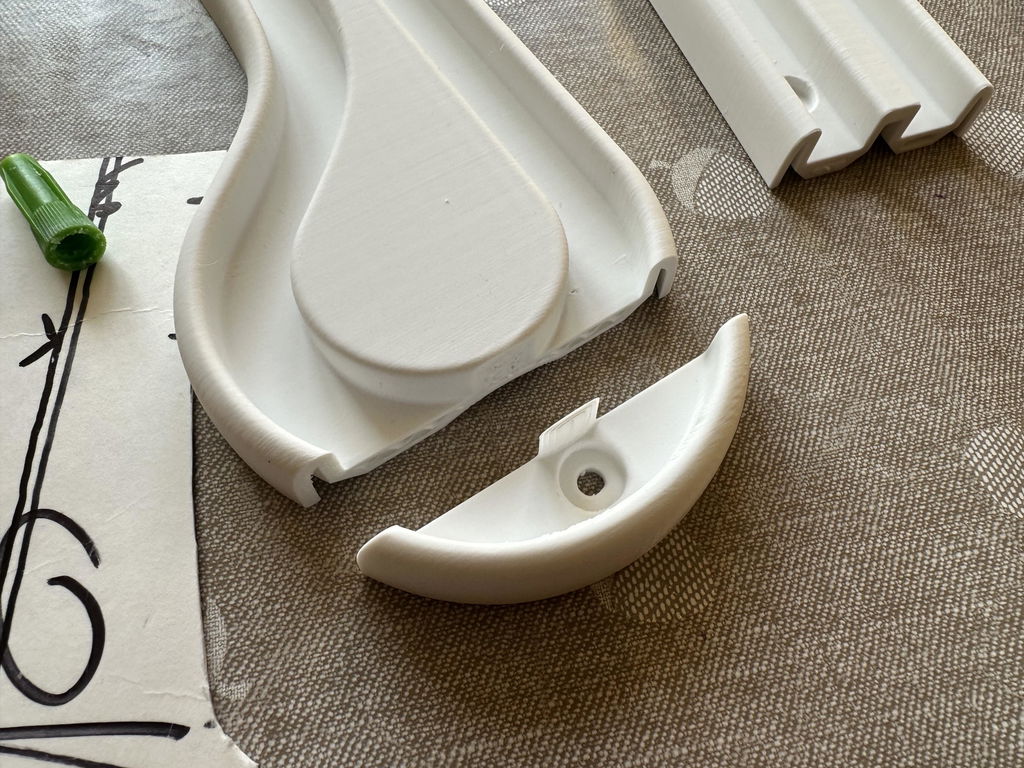
prints as easy as PLA, but significantly better heat resistance. It has a really nice matte finish. I’ve used it for functional parts that are exposed to pretty hot temperatures inside our motorhome and they’ve held up very well.
great filament and doesn’t seem to cause any issues on my a1 mini!
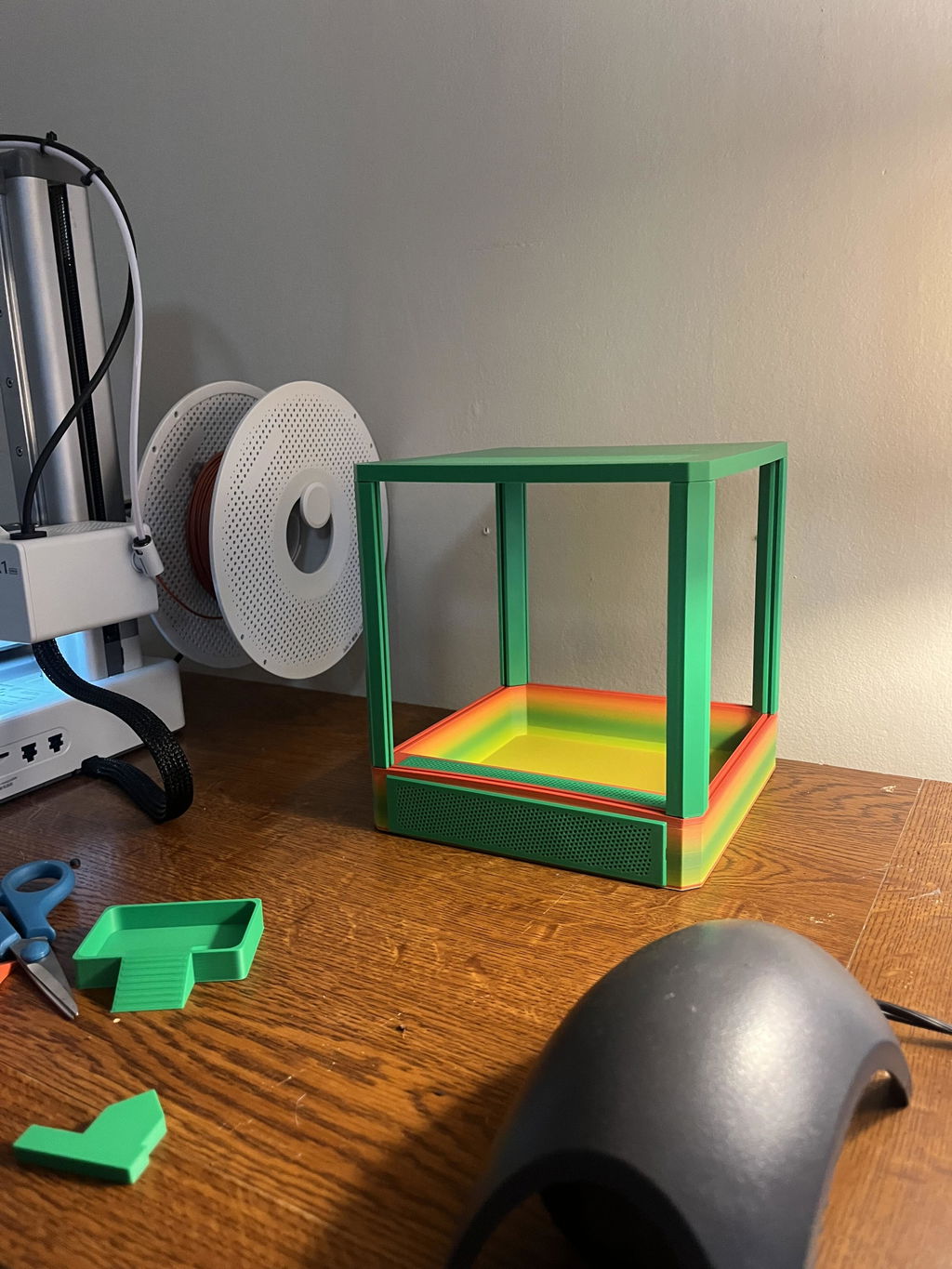
It prints beautifully but failed in a hot car in less than an hour while the identical model in PETG didn't deform at all. I'm terribly disappointed in it.
Edited to add: per Polymaker's suggestion I repeated the print and annealed it at 100C for 30 minutes before testing it again. This time it performed the same as the PETG. The second photo shows the same model/same setting in PETG (far), HT PLA (middle) and annealed HT PLA (closest). I'm satisfied now, as the extra annealing step really isn't that big of a deal.
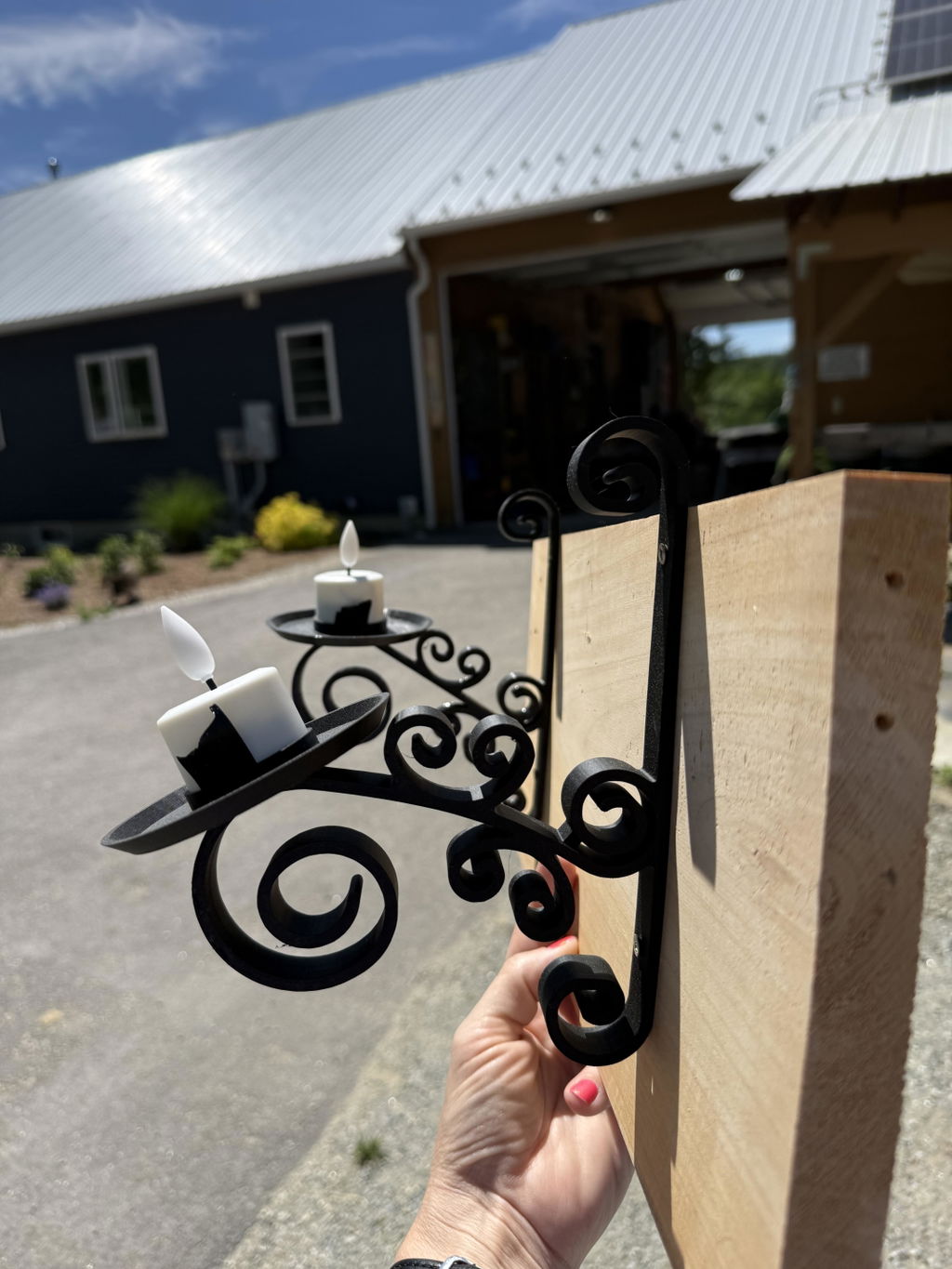
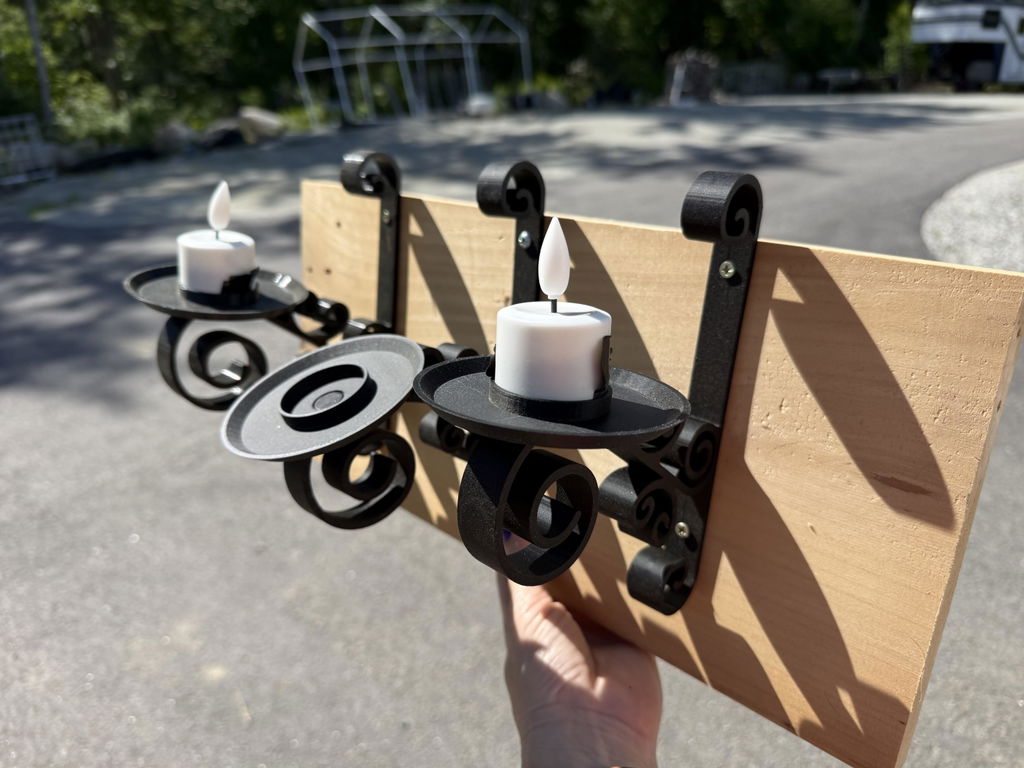
We are very sorry about this experience! HT-PLA will have heat stability under it's own weight up to 150C with no annealing required. But if the part is under weight/stress - it can deform closer to the 60C mark. Annealing can improve this but will only bring it to around PETG levels.
But unfortunately under weight like from this candle - I assume HT-PLA might not be the best bet. But we always stand behind our products so please reach out to the email listed on the spool with your order info and a photo of the spool where the batch number is located and we can certainly help further!
Prints great and looks great!! Used the blue it for my first nerf blaster!
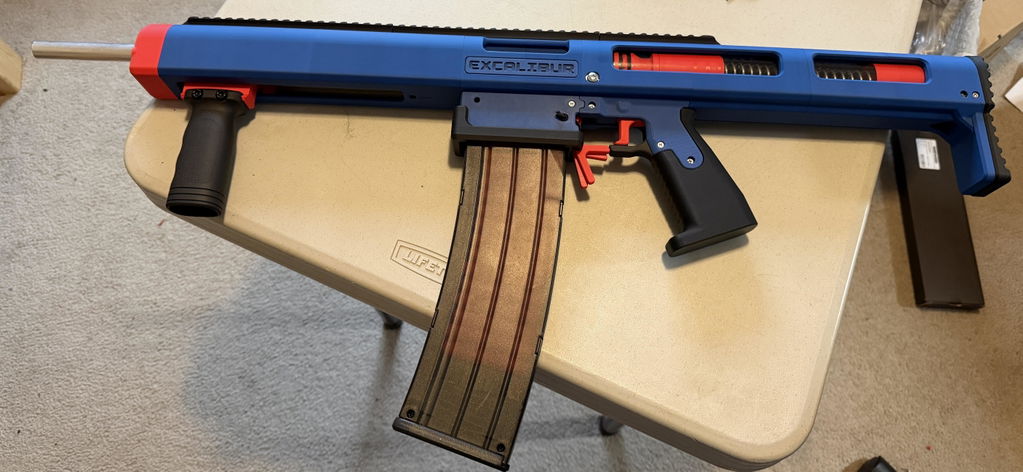
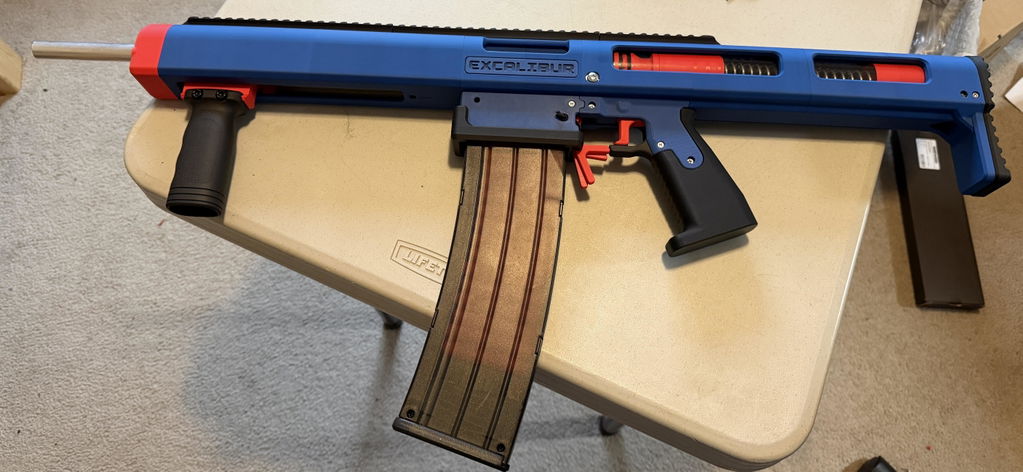
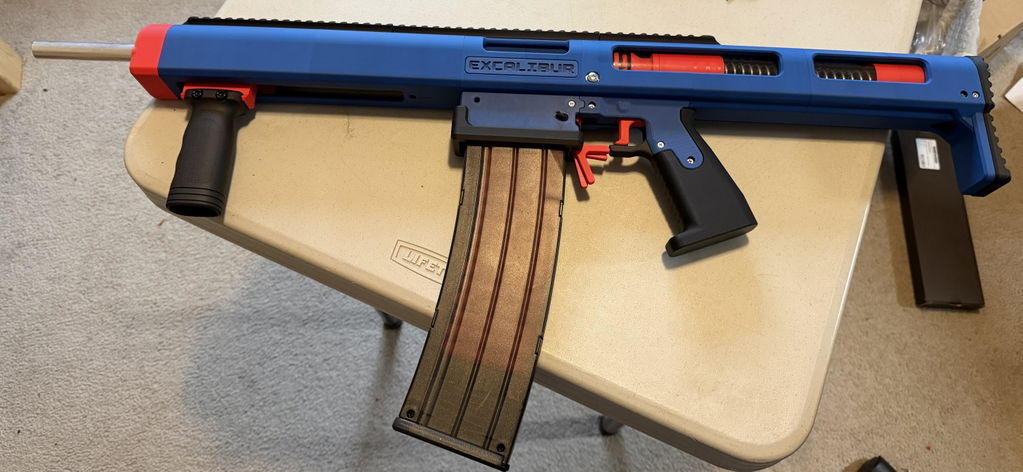
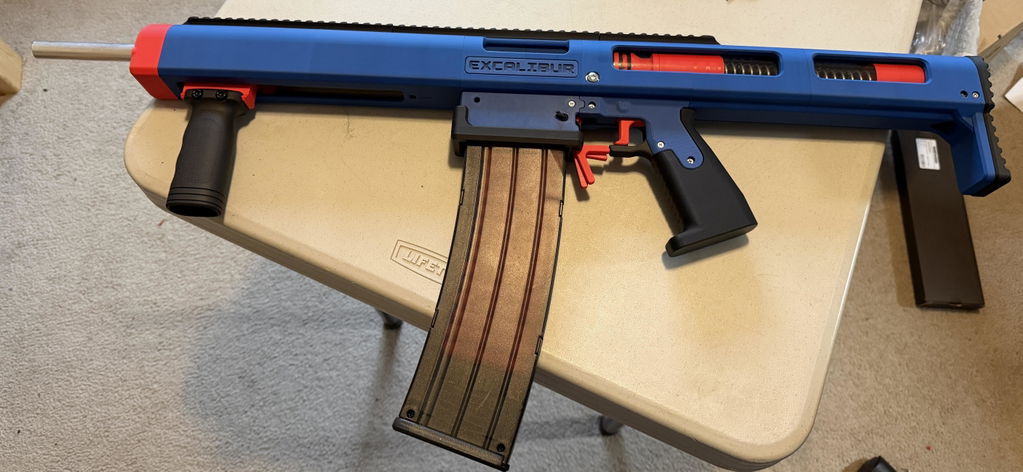
Excellent quality
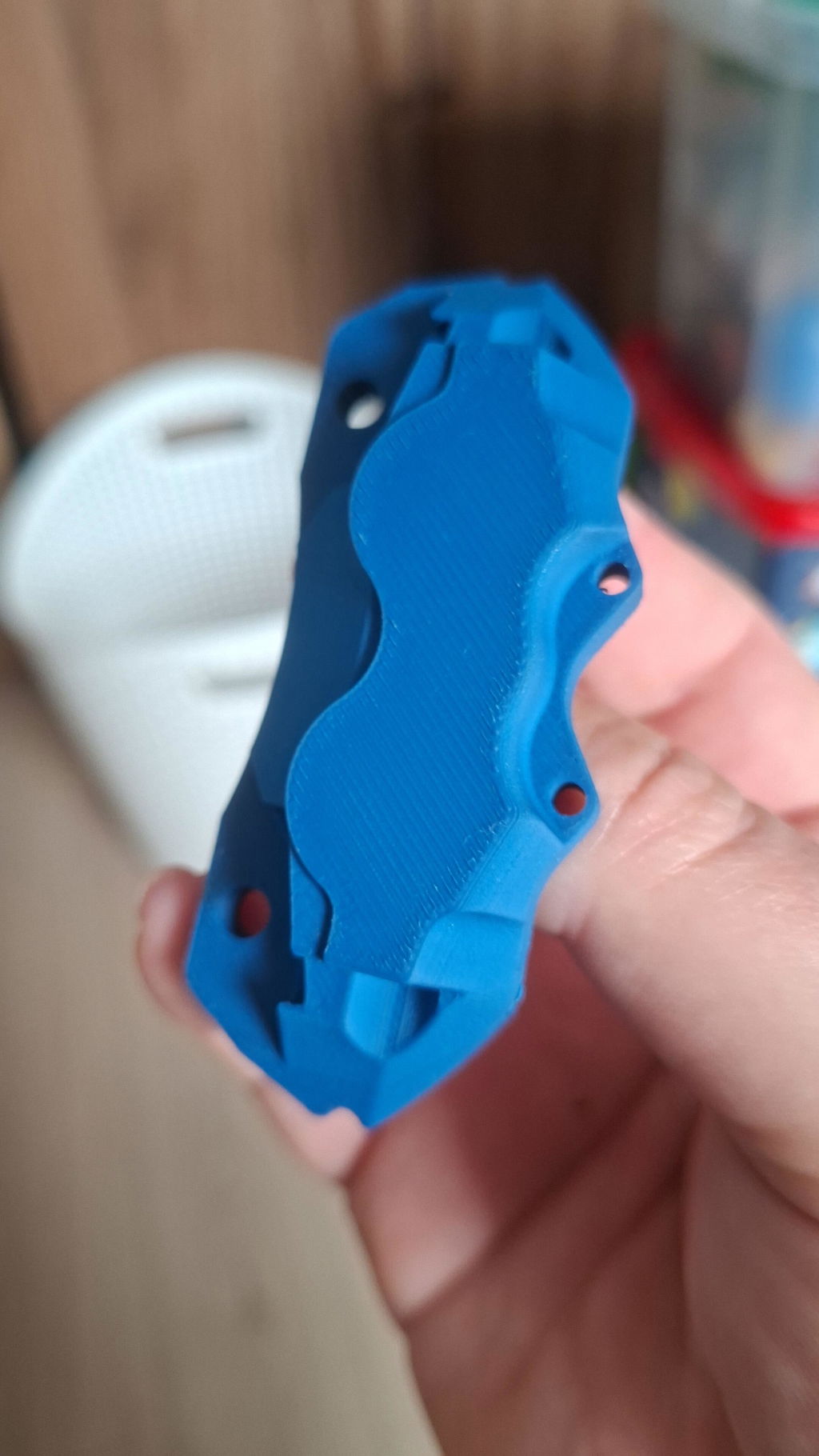
I printed a rather thin part and heated it to 65c, after an hour of this the parts snapped very easily along the layer lines. I will update if need be as I continue to print with it, but right now it is not what I was anticipating.
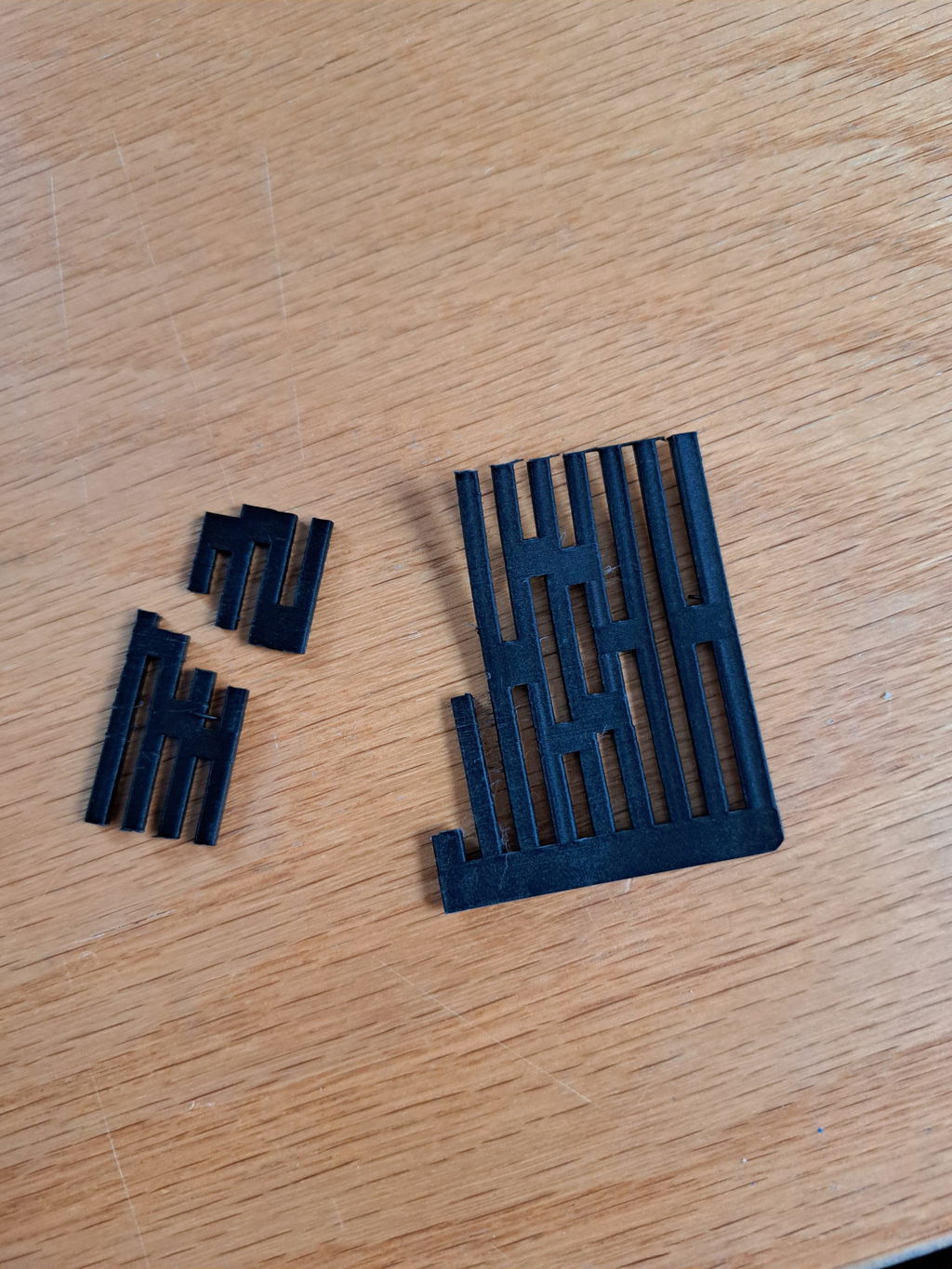
I'm using this for RC models and it's fantastic! Prints easily, barely any layer lines and so smooth. Performance matches appearance. I have ordered more for body parts as well.
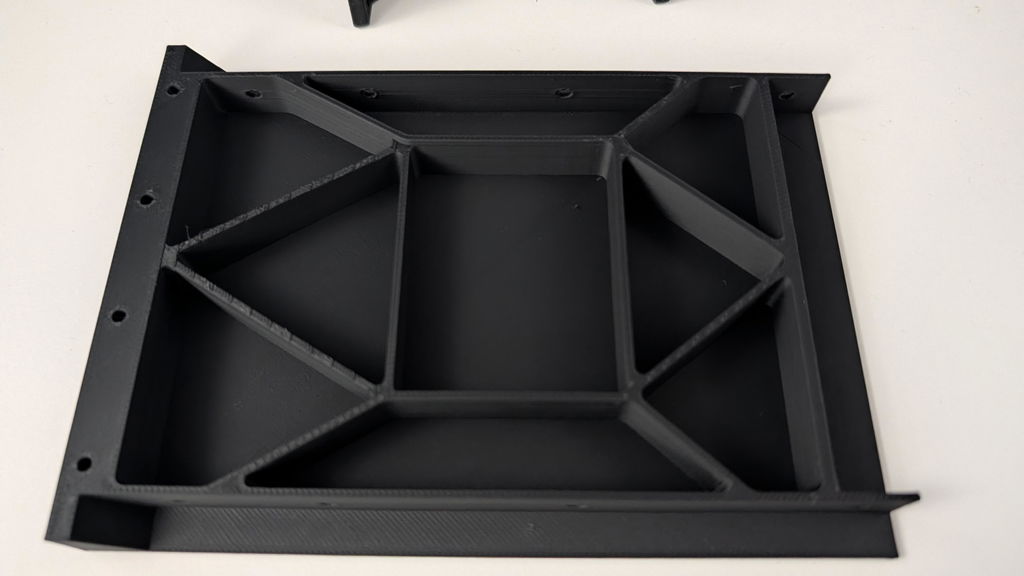
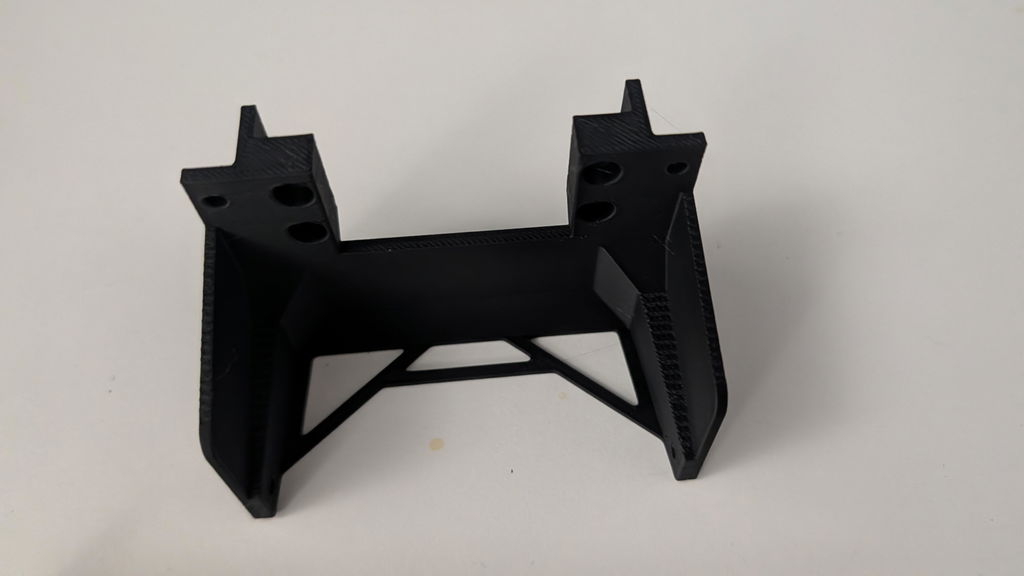
Prints like a dream! I normally use PETG for outdoor/heat resistant projects but don't care for the print quality/shine of PETG. Love how PLA prints but ofcourse it won't survive the heat. Gave this HTPLA a try and so far so good. My only complaint is that the yellow is rather dull and almost has a light greenish hue to it, it's not as vibrant as I had hoped for coming from Polymaker.
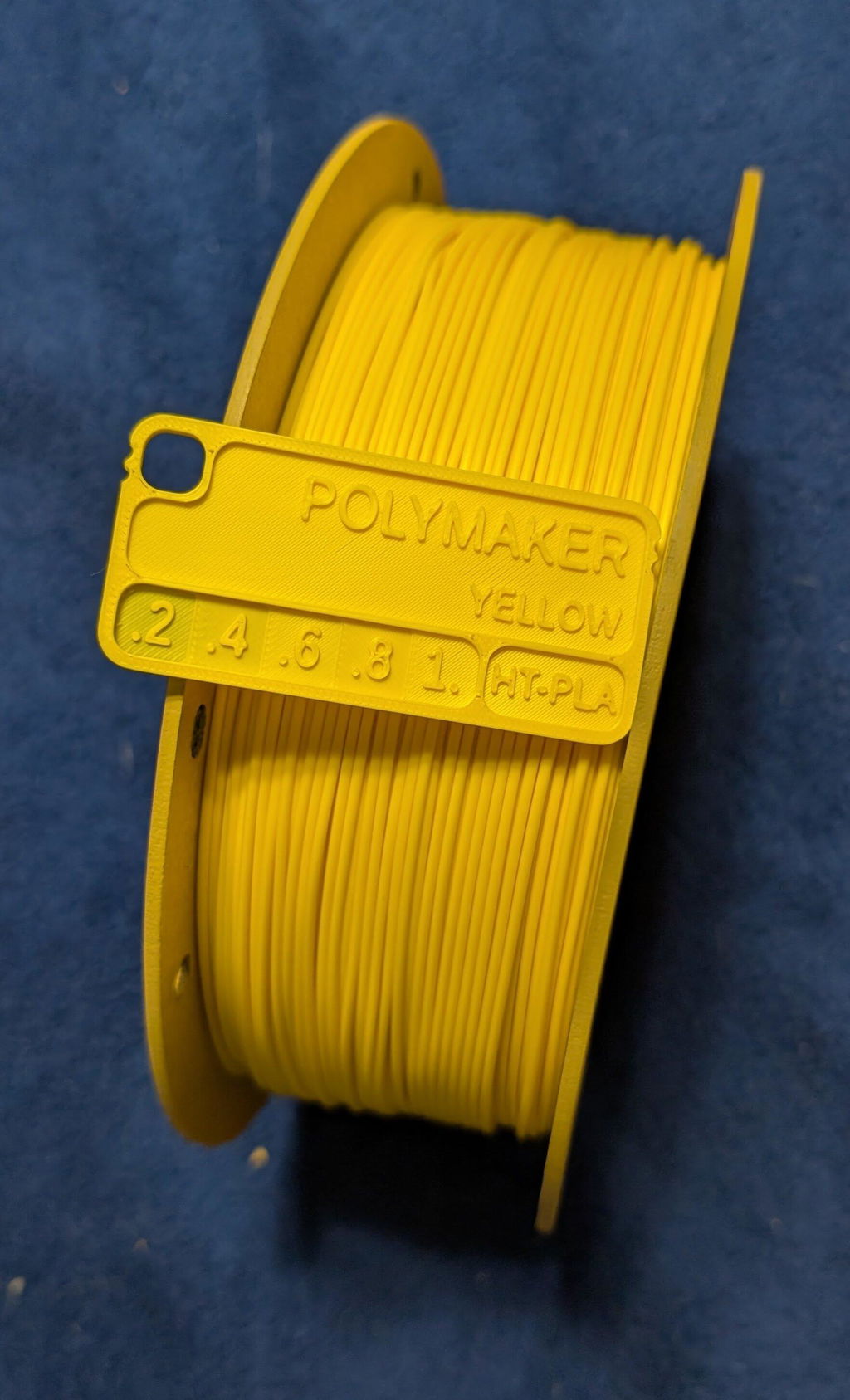
Prints easier than PETG, ASA, PC, or ABS just as strong, with a comparable heat tolerance.
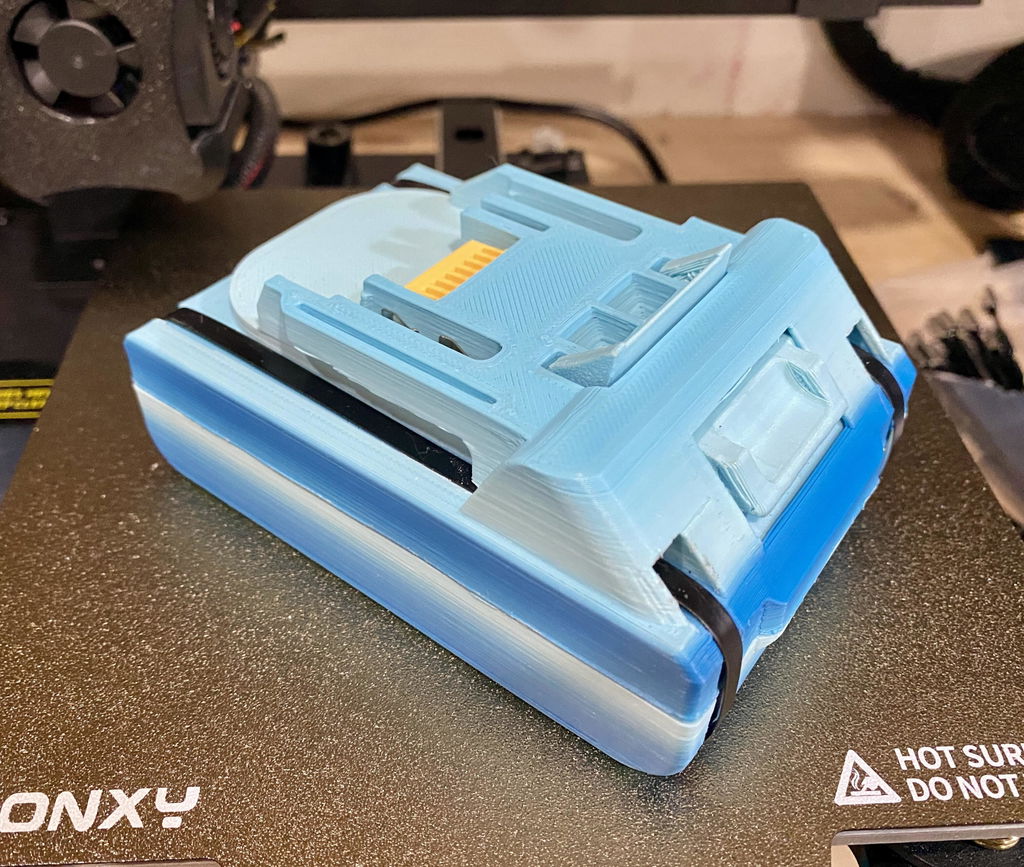
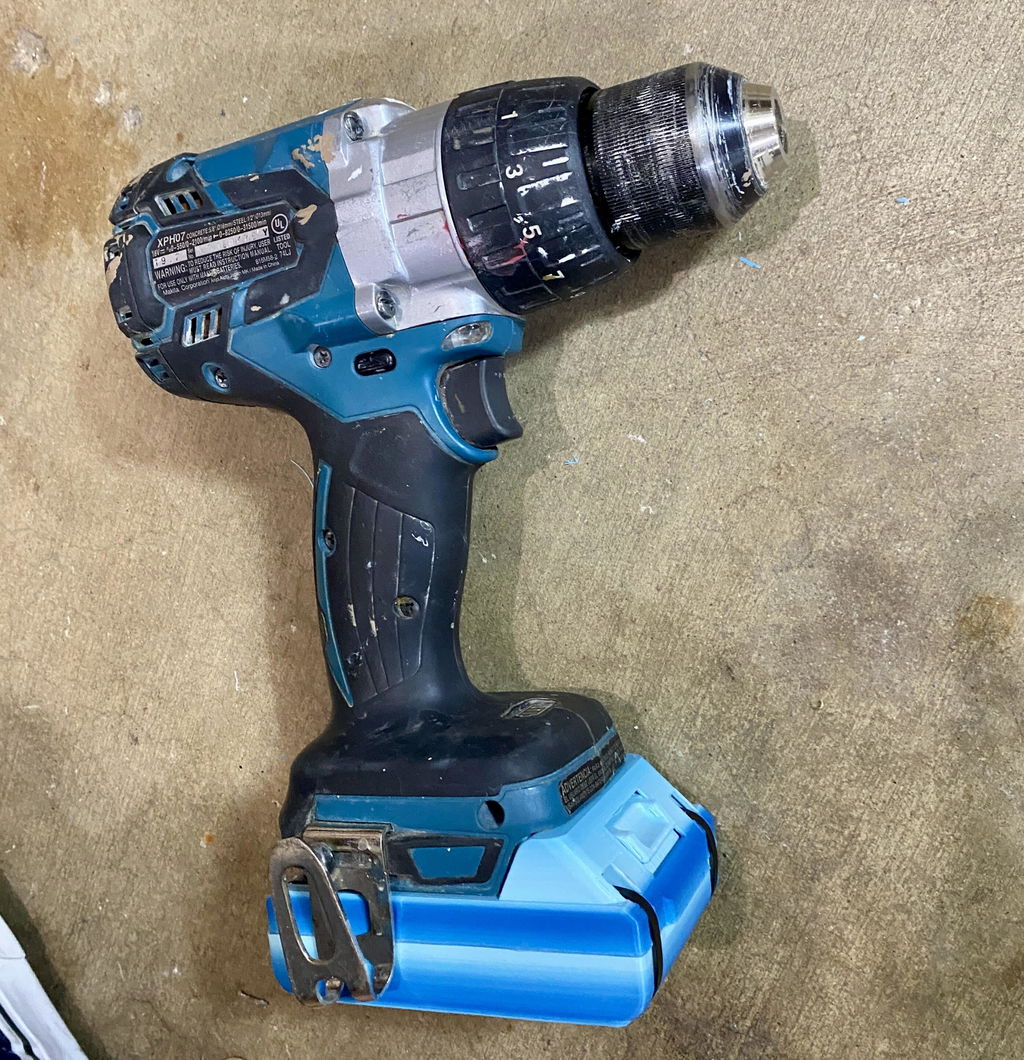
The color is rich and vibrant — a beautiful, true teal that looks great on finished prints. It feeds smoothly, layers cleanly, and I had zero stringing or clogging issues. The added heat resistance compared to standard PLA is a real bonus for functional parts. Highly recommend to anyone looking for a reliable, gorgeous filament!
Tangles on the roll, poor adhesion and warping using the recommended settings. Does not print just like pla.
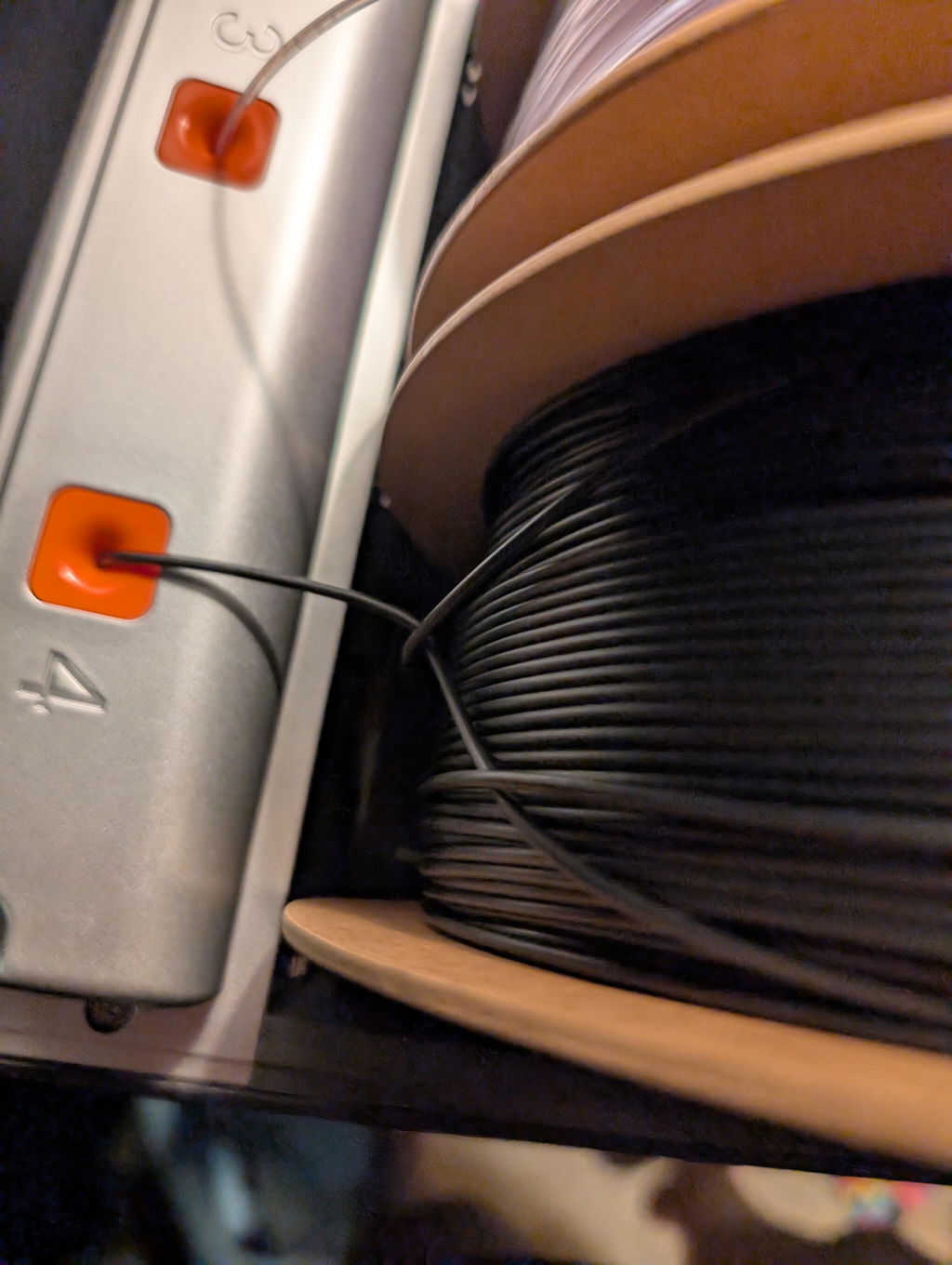
Hey Ash!
We are sorry you are having a negative experience with our HT-PLA! We use auto winding without human interference so tangling should not be possible but we will still always stand behind our products and replace if this occurs. Please reach out to support@Polymaker.com with your order information and a photo of the spool where the batch number sticker is located.
Our HT-PLA should also print just like PLA without warping or having worse layer adhesion than standard PLA so that is odd! We can not only help to replace but also help to troubleshoot here.
HT-PLA is great.
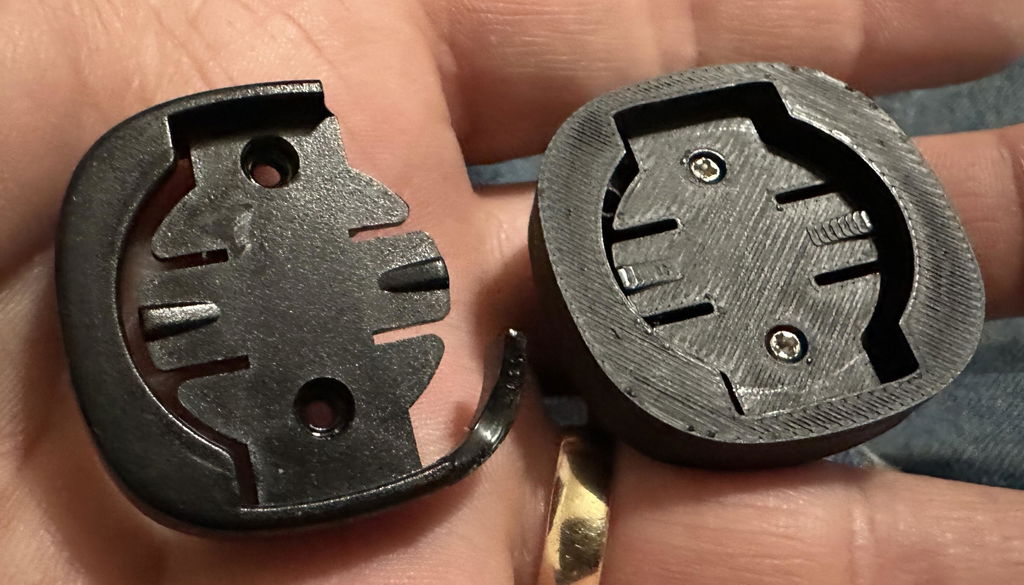
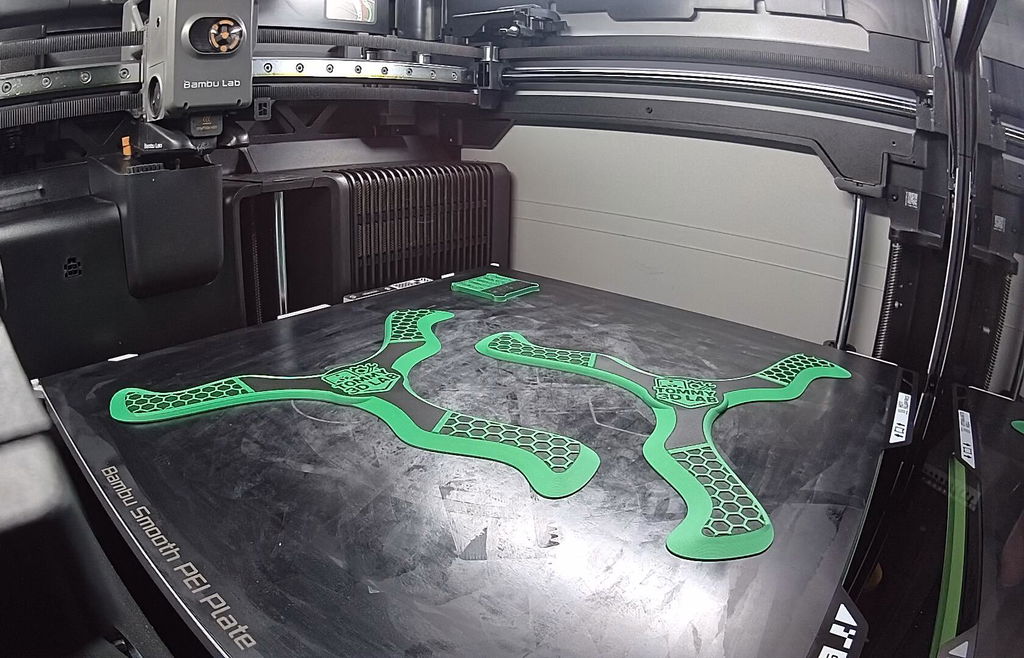
The filament was very good. It printed smoothly and didn’t require very much change to the printing set up I had for regular PLA.
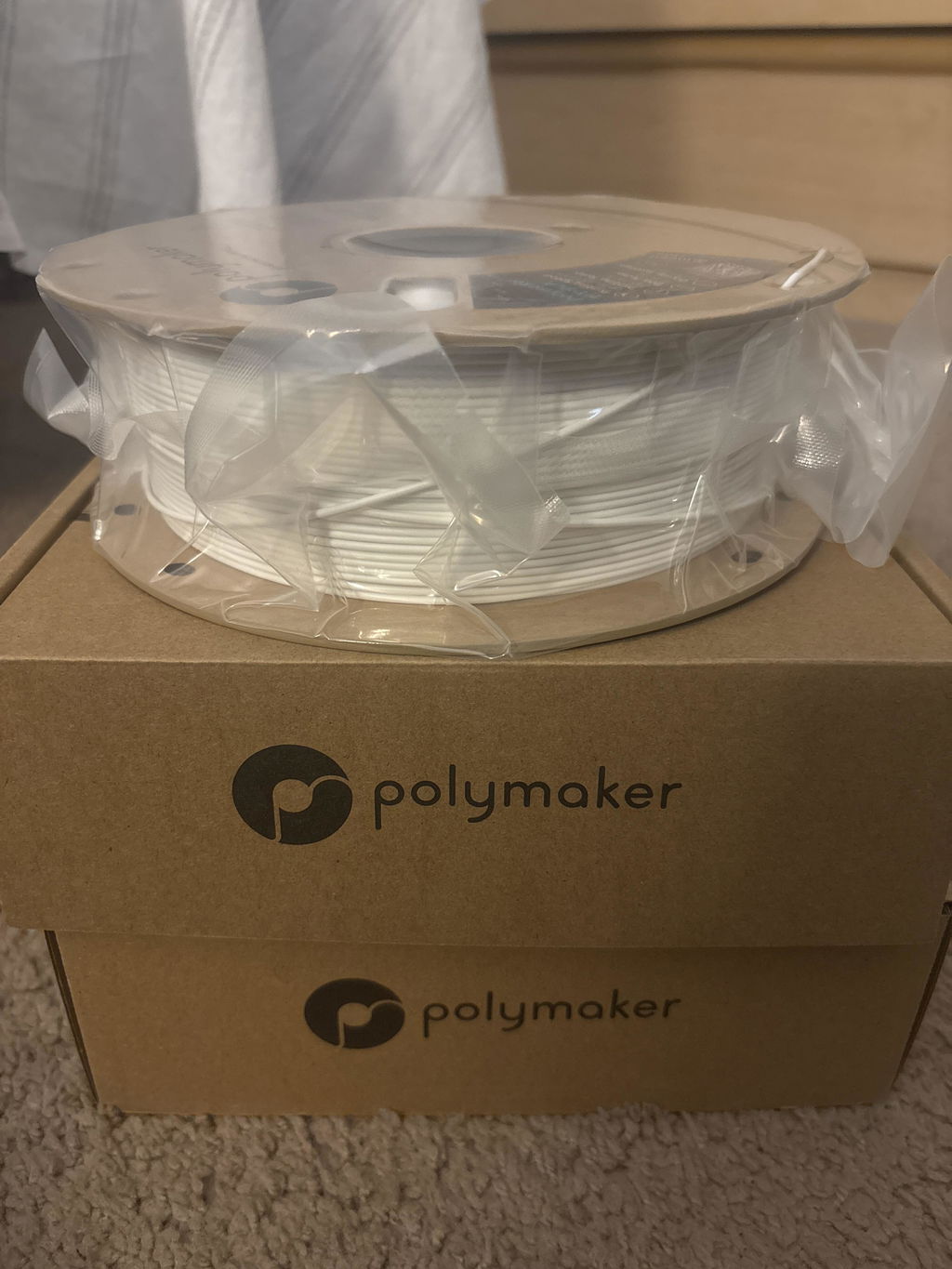
Extremely clean prints with great temperature stability.
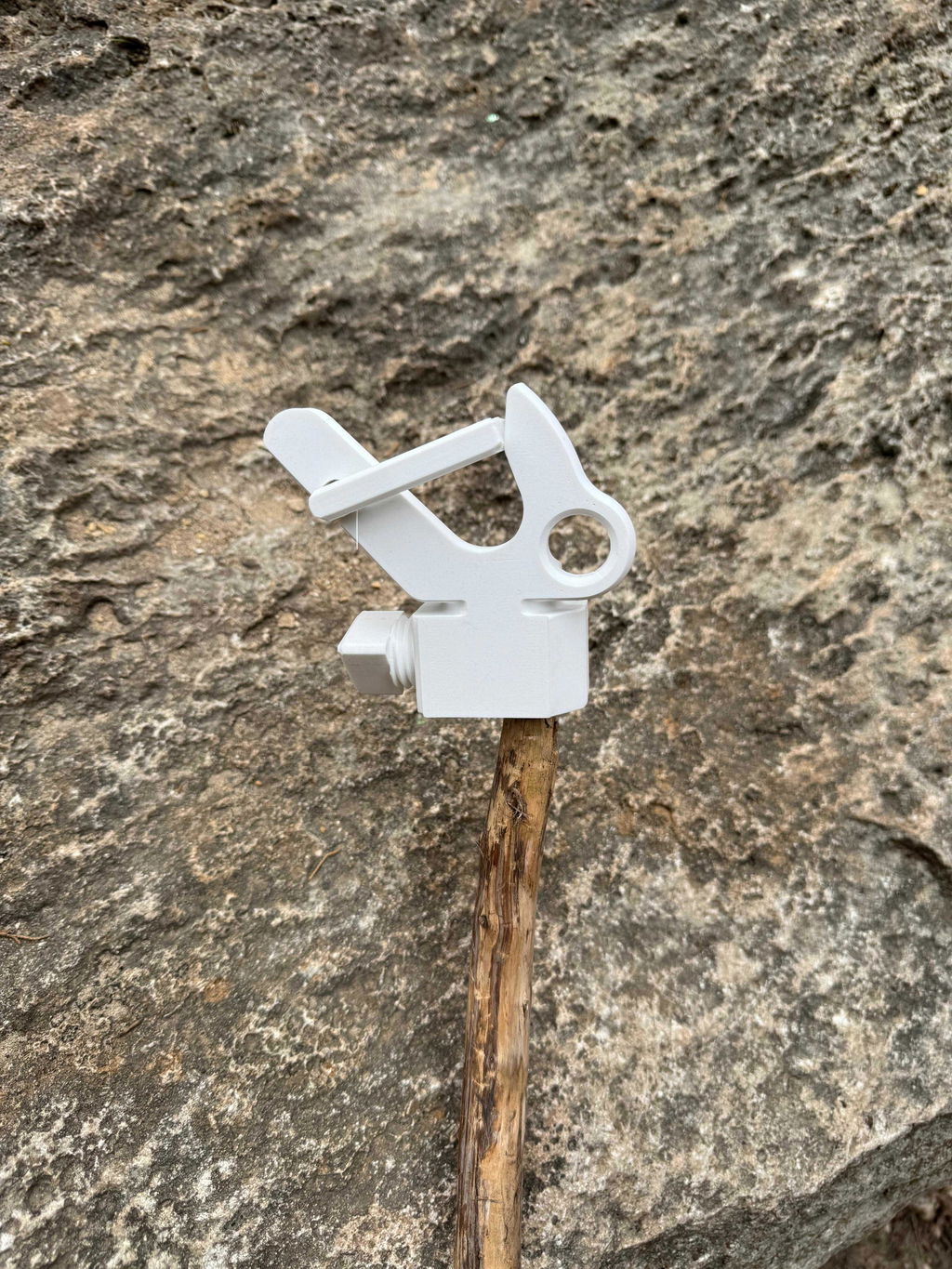
Bought 5kg of red for a project and really wanted to make sure that it was gonna be heat resistant. the color is vibrant and print quality it perfect for parts that need to be interlocked and assembled. Will have to post a picture once the project is done.
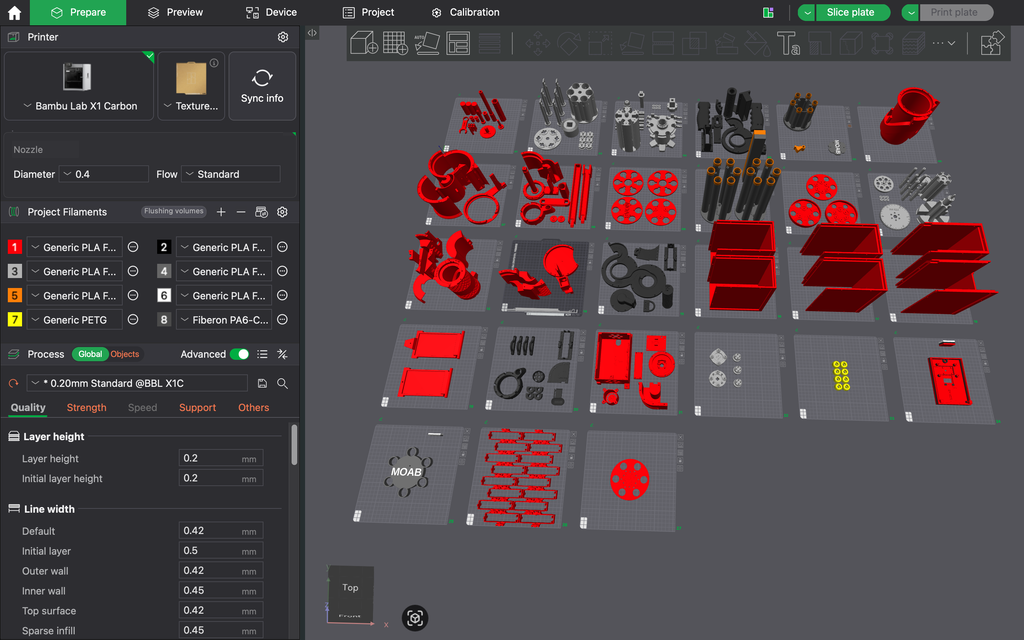
Printing with Polymaker HT-PLA is a great experience! I need to print a project where a higher temp tolerance was a must but I wanted the ease of printing with PLA. HT-PLA was the perfect match and my prints came out great.
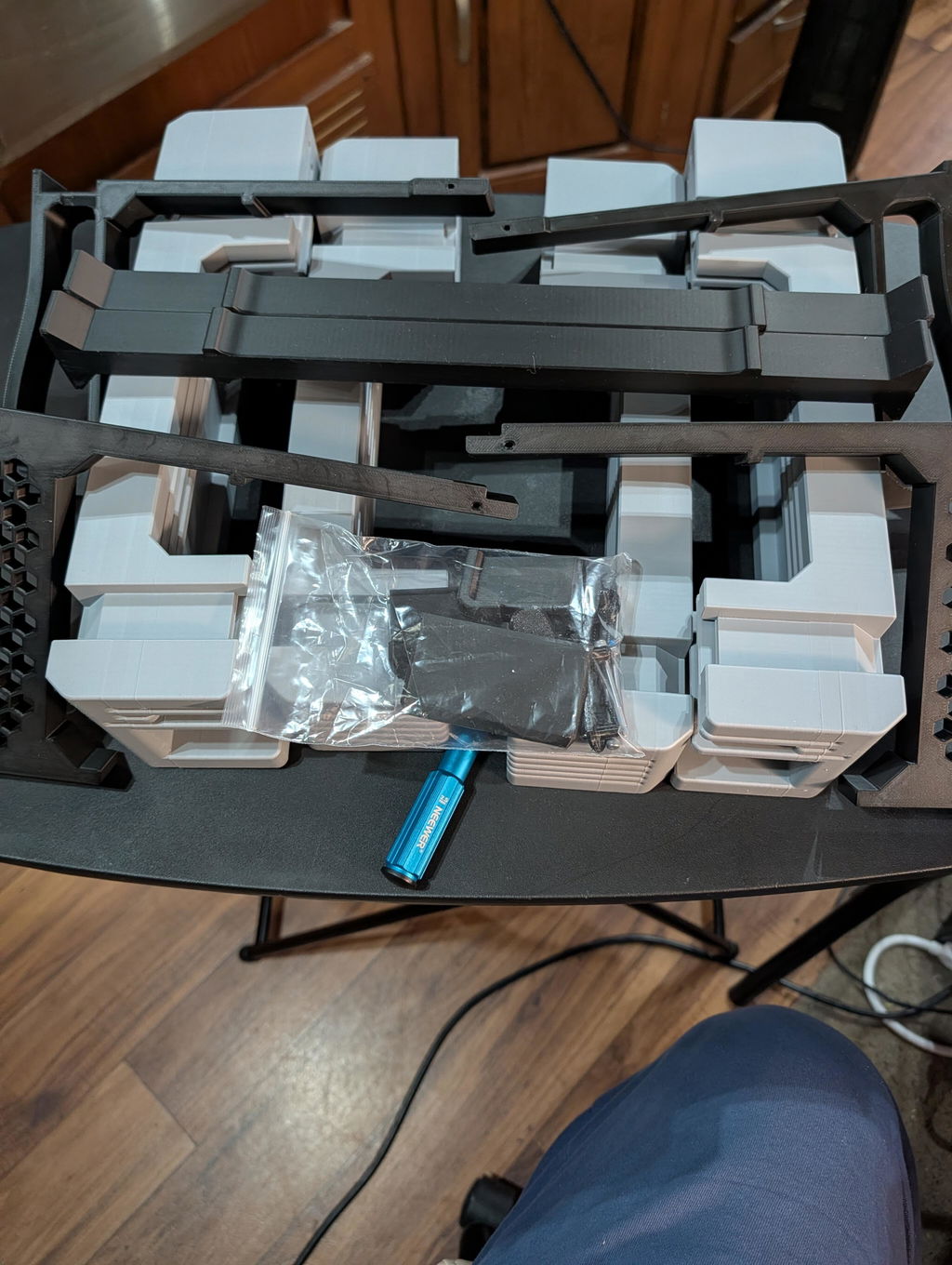
Looks great.
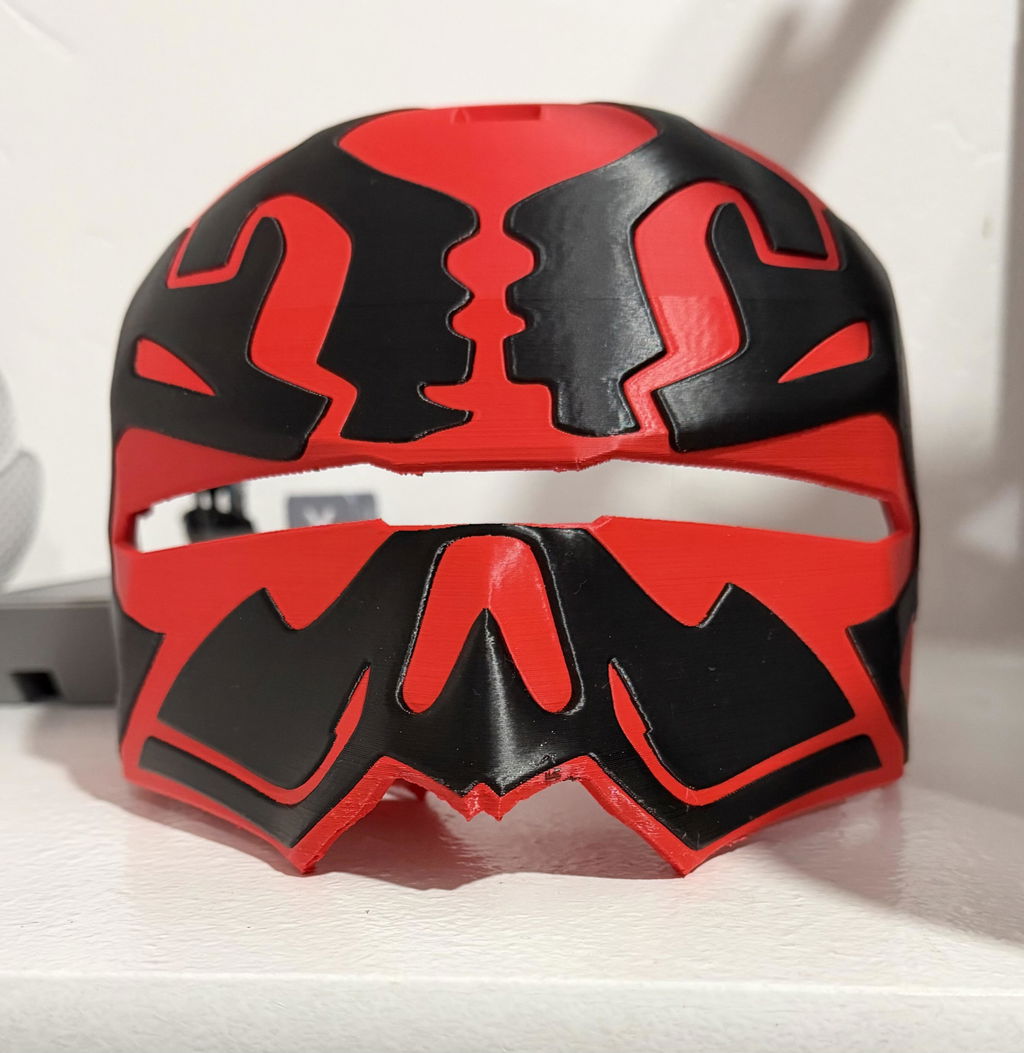
Best quality printing of any PLA that I have used no layer
Lines visible. Only filament I have found that is better is PLA-cf. but very limited color selection. I usually wait till it’s on sale for under $20 to purchase
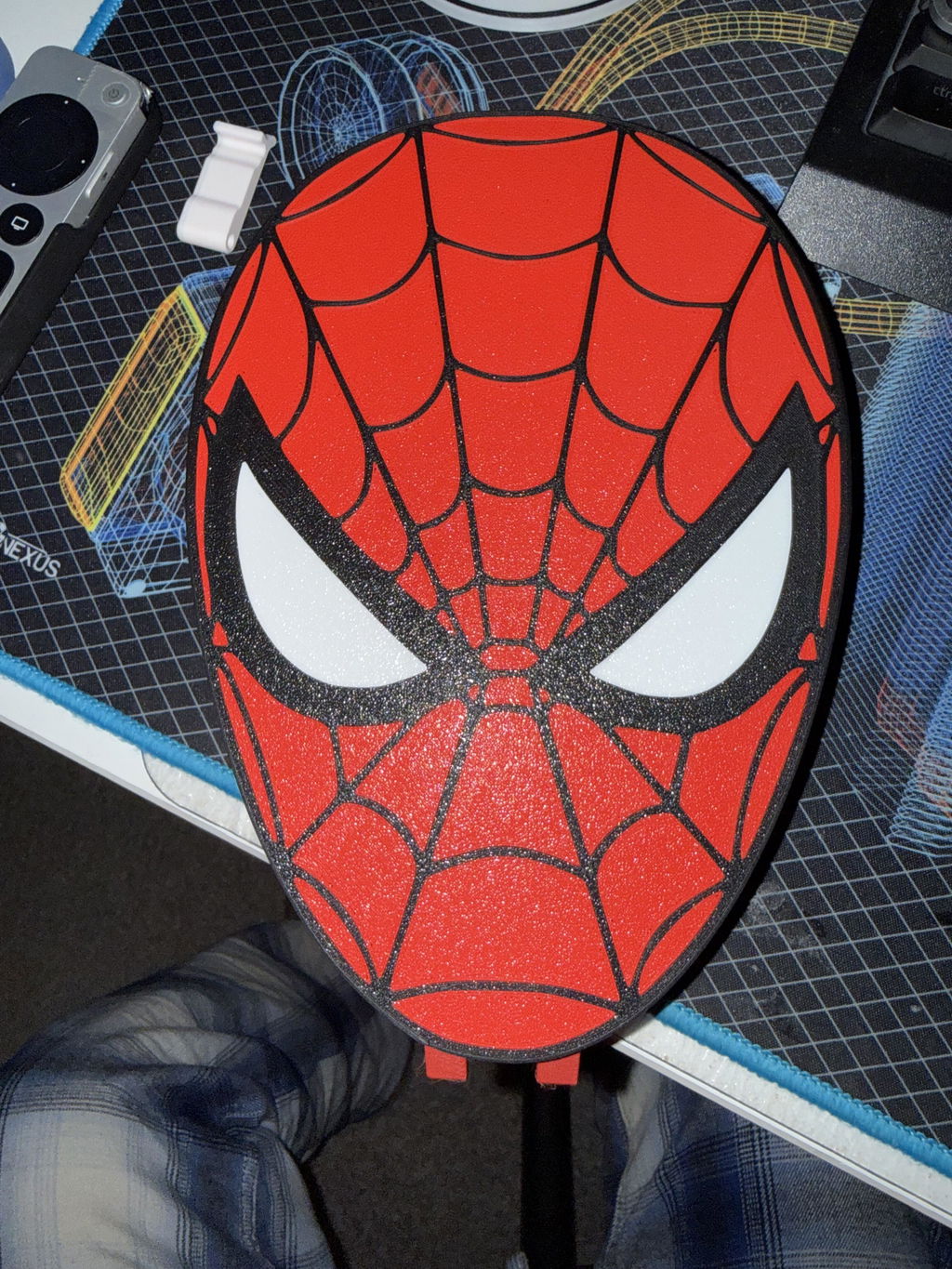
I 3D print a lot of parts that spend time outside during the day. It's nice to not have to worry so much about direct sunlight. HT-PLA is so much easier to 3D print than PETG or some of the other more heat resistant filaments I've experimented with. A real game changer.
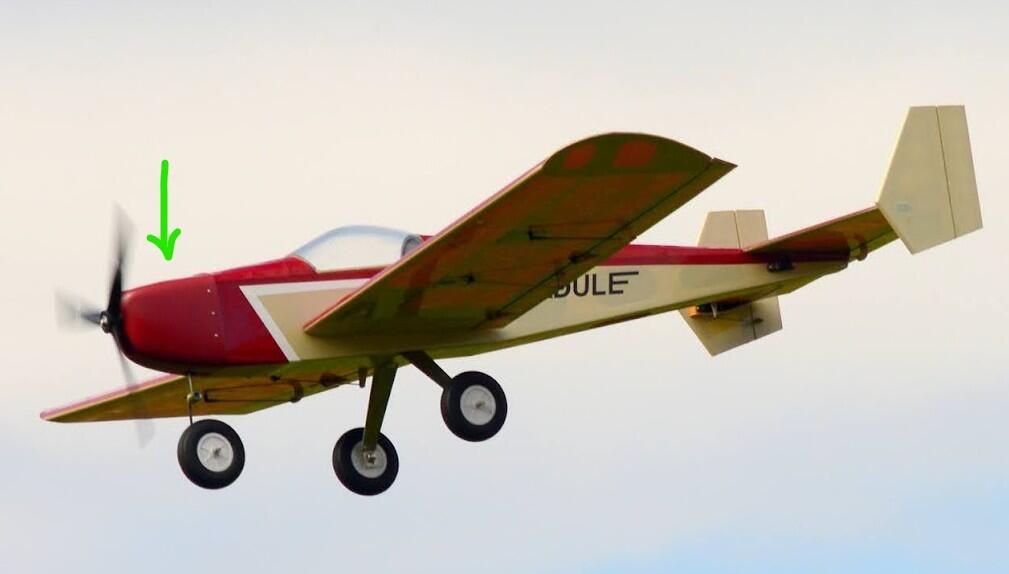
Can the ht-pla be used in the Bambu AMS without respooling it?
Yup! All of our spools have hardened edges to spin great in AMS like systems!
